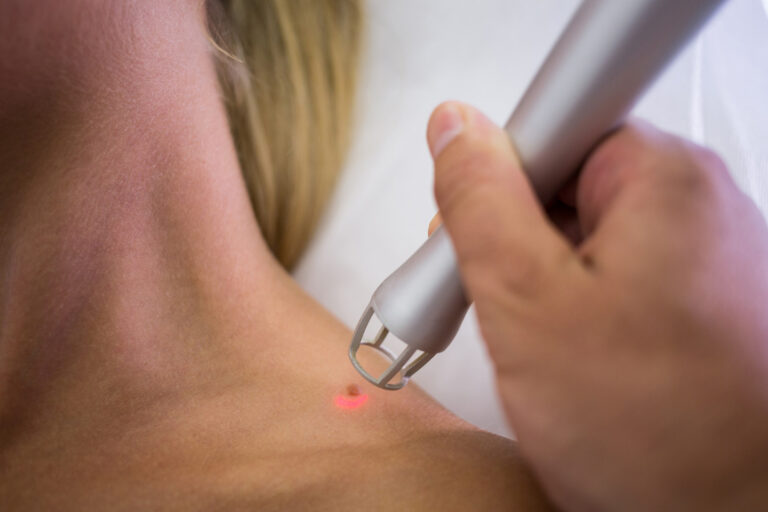
Hyperpigmentation is a term that refers to patches of skin that become darker than the surrounding areas – a common concern for many people. Whether triggered by sun exposure, hormonal changes, inflammation, or acne, those stubborn dark spots can leave us feeling self-conscious and frustrated. While there are numerous remedies available, chemical peels have emerged as a time-tested and effective skincare treatment option for achieving a more even, radiant complexion. This blog delves into the science behind chemical peels, their role in treating hyperpigmentation, what to expect, and tips for safe, successful outcomes.
What is Hyperpigmentation?
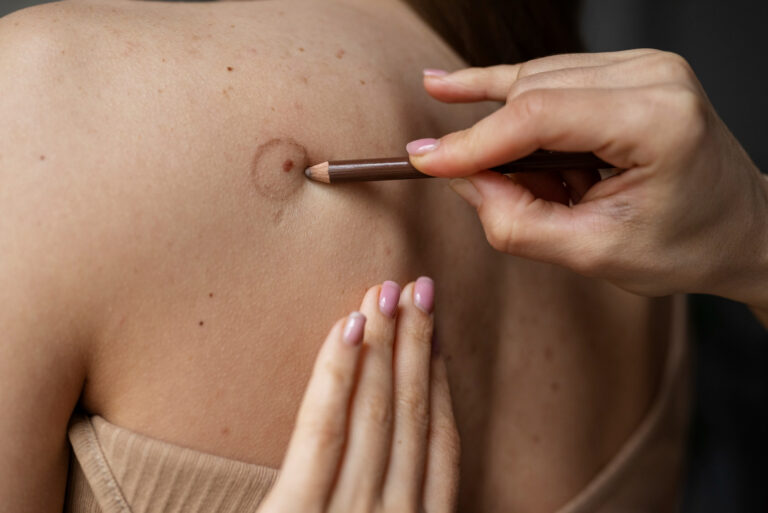
Hyperpigmentation occurs when an excess of melanin, the pigment that gives our skin color, accumulates in certain areas. This can present as freckles, age spots (lentigines), melasma, or post-inflammatory hyperpigmentation (PIH), such as the dark marks that linger after pimples heal. It affects all skin types, though people with medium-to-dark skin tones may be more prone to certain types and must take special care when considering hyperpigmentation treatment options like chemical peels.
Chemical Peels: An Overview
Chemical peels are dermatological treatments that use specially formulated acids to exfoliate the skin’s top layers. By removing the damaged, pigmented cells on the surface, they accelerate the skin’s natural regeneration process, unveiling fresher, clearer skin beneath. Chemical peels treatment varies in depth and strength:
Superficial Peels: Use mild acids like alpha hydroxy acids (AHAs; e.g., glycolic acid, lactic acid) or beta hydroxy acids (BHAs; e.g., salicylic acid). These target the outermost layer of skin and are often used for mild hyperpigmentation, uneven tone, and texture.
Medium Peels: Utilize stronger agents such as trichloroacetic acid (TCA) or higher concentrations of AHAs. They penetrate deeper into the epidermis and are suitable for more pronounced pigment changes in advanced hyperpigmentation treatment.
Deep Peels: Rely on potent chemicals like phenol or high-concentration TCA. These reach the lower dermal layers and are reserved for severe or treatment-resistant hyperpigmentation, but they also have longer recovery periods and higher risks.
How Do Chemical Peels Treat Hyperpigmentation?
The process is both elegant and scientific. Chemical peels essentially “lift” away layers of damaged skin where excess melanin has settled. As the old skin peels off, a new layer forms that is smoother and less pigmented. Repeated chemical peels treatments can fade dark spots, even out skin tone, and promote collagen production for overall skincare rejuvenation.
What makes chemical peels for hyperpigmentation particularly appealing for hyperpigmentation is their versatility: different acids and concentrations can be tailored to an individual’s needs, skincare type, and pigmentation pattern. For example, glycolic acid is known for its brightening effects, while salicylic acid is ideal for oilier, acne-prone skin with PIH-related hyperpigmentation.
What To Expect During the Procedure
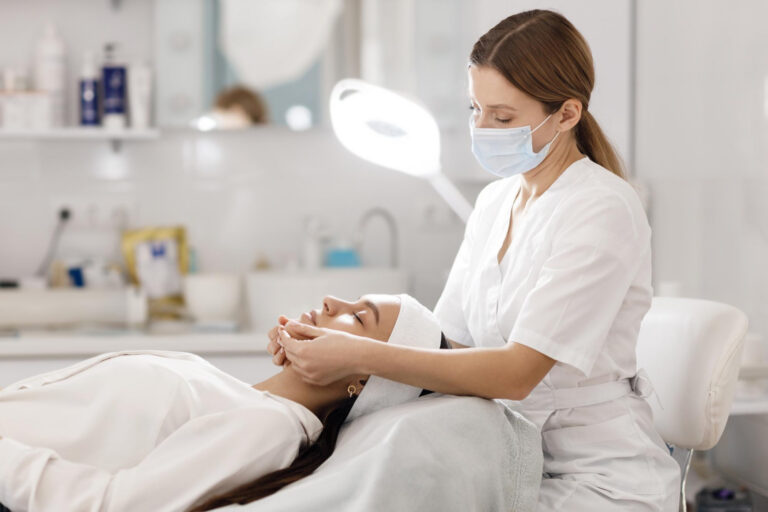
A chemical peel is typically performed by a board-certified dermatologist’s office or a medical spa. Here’s a general overview:
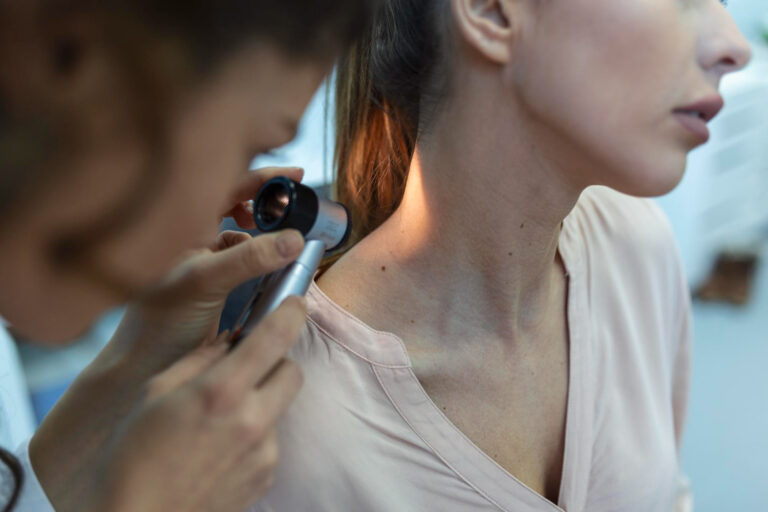
Consultation: Your provider will assess your skin, discuss your concerns, and recommend a chemical peel treatment suited to your pigmentation and skin sensitivity.
Preparation: The skin is cleansed thoroughly. Some may require pre-treatment with topical creams (like hydroquinone or retinoids) to prep and protect the skin, especially for those with deeper skin tones.
Application: The chemical peels solution is applied and left on for a specific time. You may feel tingling, warmth, or mild discomfort; this typically lasts only a few minutes.
Neutralization and Aftercare: The solution is neutralized or washed off, and soothing products are applied. Your provider will give you instructions for care during the recovery phase to ensure optimal hyperpigmentation treatment outcomes.
Aftercare and Recovery
Proper aftercare is crucial for both results and safety:
- Peeling and Redness: Expect some redness, mild swelling, and flaking or peeling that lasts from a few days to a week or more, depending on the strength of the chemical peels treatment.
- Sun Protection: The new skin will be sensitive. Diligent use of broad-spectrum sunscreen and avoidance of direct sun exposure are essential to prevent recurrence or worsening of pigmentation.
- Moisturization: Keep skin hydrated with gentle, fragrance-free moisturizers as part of your ongoing skincare regimen.
- Avoid Picking: Let peeling occur naturally to minimize scarring and pigment changes.Lorem ipsum dolor sit amet, consectetur adipiscing elit. Ut elit tellus, luctus nec ullamcorper mattis, pulvinar dapibus leo.
Risks and Considerations
While chemical peels can be transformative, they are not without risks:
- Temporary redness, irritation, and swelling
- Post-inflammatory hyperpigmentation (especially in deeper skin tones if the peel is too aggressive)
- Hypopigmentation (light spots)
- Scarring or infection (rare if performed correctly by a qualified professional)
This underscores the importance of seeking a skincare treatment from an experienced provider who can select the appropriate type and strength of chemical peels and guide you through safe pre- and post-care.
Are Chemical Peels Right for You?
Chemical peels for hyperpigmentation are an excellent option for many people struggling with hyperpigmentation, but not all peels suit every skin type or pigment problem. Those with active skin infections, certain medical conditions, or a history of abnormal scarring may need alternative hyperpigmentation treatment options.
Conclusion
Chemical peels treatment offers a science-backed, customizable solution for hyperpigmentation, helping restore clarity, confidence, and glow to your skin. The key to success lies in consulting a professional’s guidance, realistic expectations, and diligent aftercare. With careful planning and commitment, you can reveal the luminous complexion that lies just beneath the surface, taking another step toward your healthiest, most radiant skin.