
Schedule an Appointment With Your Wilson Dermatology Clinic, NC
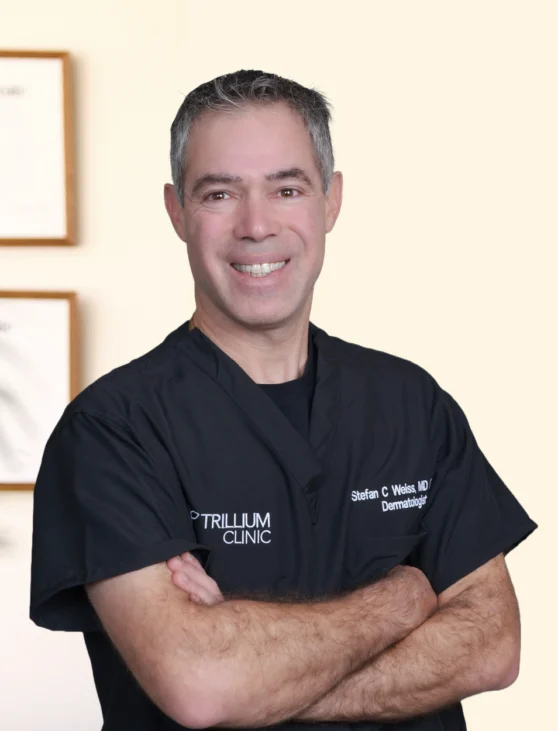
Dr Stefan Weiss is a distinguished Wilson dermatologist recognized for expertise in dermatology. With years of clinical experience, Dr Weiss is known for providing comprehensive care in diagnosing and treating a wide range of skin conditions. His practice commits to patient-centered care, employing advanced diagnostics and innovative treatments in our skin clinic in Wilson.
Professional Experience
Dr Weiss has served in both academic and clinical settings, including faculty positions at the University of Miami and Brown University School of Medicine. Over his career, Dr Weiss has contributed to research in dermatological science, published in peer-reviewed journals, and participated in training the next generation of healthcare professionals. With a robust background in both general and cosmetic dermatology, Dr Weiss is frequently sought after for complex cases and second opinions for his representation as one of the dermatology specialists Wilson NC can trust.
Area of Expertise
Dr Weiss specializes in medical, surgical and cosmetic dermatology, with particular interest in:
- Diagnosis and management of chronic skin diseases (such as eczema, psoriasis, and acne)
- Dermatologic surgery and minor procedures
- Skin cancer screening, treatment, and early skin check
- Cosmetic dermatology, including minimally invasive procedures like Botox, Lip Fillers, and Laser
- Allergic skin disorders and pediatric dermatology
Dr Stefan Weiss is dedicated to providing individualized care and staying at the forefront of developments in dermatology. This ensures that each patient receives the most effective and evidence-based treatment, making his Wilson Dermatology Clinic a top clinic for dermatology and wellness in the region.
Meet Our Expert Team
Book Convenient Appointments at the Dermatology Clinic in Wilson, NC.
How Trillium Clinic Stands Apart in Wilson
In a community as vibrant and diverse as Wilson, Trillium Clinic Dermatology and Med Spa rises above the ordinary, redefining what it means to receive dermatological care. Unlike other clinics in the area, Trillium Clinic Dermatology and Med Spa blends cutting-edge medical expertise with a welcoming, patient-focused approach, ensuring each individual feels truly valued.
Commitment to Safe Treatment Procedures
At Trillium Clinic Dermatology and Med Spa, patient safety is not just a priority—it is a guiding principle from skin and laser clinic services to general skin treatments. The clinic upholds the highest standards of care. Each treatment, whether it’s a routine skin check or an advanced dermatological procedure, is performed using state-of-the-art equipment and evidence-based protocols. The staff undergoes regular training, ensuring that best practices are always at the forefront. This unwavering commitment means peace of mind for you and your loved ones, ideal for anyone seeking a nearby dermatologist clinic in Wilson, NC.
Insurance Accepted and Additional Benefits
Navigating healthcare costs can be daunting, but Trillium Clinic Dermatology and Med Spa strives to make quality dermatology accessible to all. The clinic accepts a wide range of insurance plans, simplifying the process and reducing out-of-pocket expenses. Additionally, patients enjoy flexible appointment scheduling and access to educational resources that empower them to take control of their skin health.
- Comprehensive insurance acceptance for major providers
- Online booking and streamlined check-in for easy dermatology appointments
- Patient-focused care with follow-up support
Why Choose Trillium Clinic Dermatologist Services?
- Expertise You Can Trust: Board-certified Wilson dermatologists provide the latest treatments, from acne management, chemical peels, Botox complex skin conditions in our cosmetic skin clinic.
- Personalized Care: Each patient receives a customized care plan tailored to their unique skin needs and lifestyle.
- State-of-the-Art Technology: Trillium Clinic Dermatology and Med Spa brings the best of modern dermatology to its Wilson skin and laser clinic, ensuring gentle and effective skin treatments.
- Community-Focused: As a proud member of the Eastern North Carolina healthcare community, Trillium Clinic actively participates in local health initiatives and educational events.
Serving the Heart of Wilson
Trillium Clinic isn’t just a Wilson Dermatology Clinic, but a trusted skin clinic in the location—a part of its fabric. Patients from all corners of the city, from the tree-lined neighborhoods near Lake Wilson and the bustling energy of Downtown to the historic charm of Brentwood and the vibrant college community around Barton College, find a welcoming home at Trillium Clinic Dermatology and Med Spa.
Trillium Clinic provides rejuvenating treatments that make you relieved that your skin is in expert hands.
Experience the Trillium Clinic Difference
For safe, reliable, and compassionate care from a leading Wilson dermatologist, Trillium Clinic Dermatology and Med Spa is the clear choice. With a devoted team, patient-first philosophy, and a commitment to excellence, your healthiest skin is just a visit away. Book your appointment today at Wilson Dermatology Clinic, NC, your premier dermatology clinic in North Carolina.

Our Team
Insurance Accepted
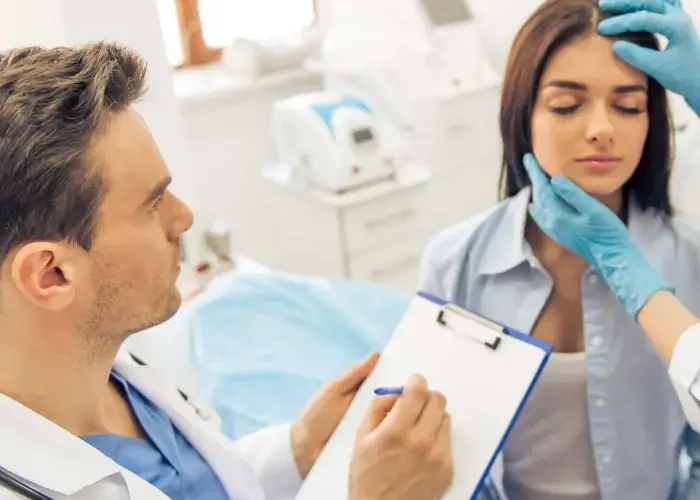
Medical Dermatology
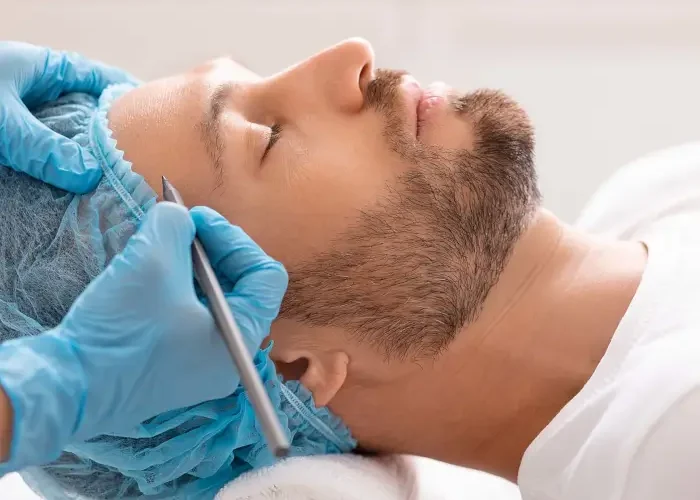
Surgical Dermatology
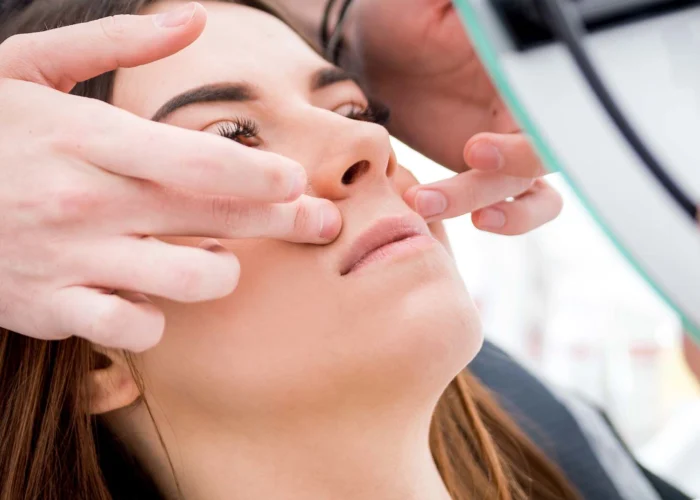
Cosmetic Dermatology
Skin Care

IV Therapy

Medical Weight Loss

Pediatric Dermatology
Our Patient Testimonials
Treat Your Skin Conditions at a Nearby dermatology clinic in Wilson, NC
The skin, our body’s largest organ, stands as a visible testament to our health, age, and well-being. Across different ages and backgrounds, patients encounter a spectrum of skin concerns and conditions. These range from cosmetic issues affecting confidence to medical concerns impacting quality of life, as well as pediatric conditions unique to children, challenges related to hair loss, and skin issues encountered before or after laser resurfacing. Understanding these conditions is essential for effective treatment through a clinic for dermatology and wellness. Whether at Wilson Dermatology Clinic or another skin and laser clinic nearby, this overview offers insight into five key domains: cosmetic, medical, pediatric, laser, and hair loss.
Common Skin Conditions
- Acne Vulgaris: Perhaps the most widely recognized cosmetic concern, acne is not limited to adolescents but can affect adults as well. It manifests as comedones, papules, pustules, nodules, and cysts, often resulting in scarring and pigmentation changes. Causes include hormonal fluctuations, genetic predisposition, and environmental factors. Cosmetic treatments range from topical retinoids and chemical peels to advanced therapies like microneedling and laser treatments at top-tier Wilson dermatologists.
- Melasma and Hyperpigmentation: Characterized by brown or gray-brown patches, melasma predominantly affects sun-exposed areas of the face. Hyperpigmentation may also result from post-inflammatory changes (as in acne scars) or sun damage. Chemical peels, topical hydroquinone, azelaic acid, and laser therapies are common interventions are some of the services at an expert Wilson Dermatology Clinic.
- Rosacea: A chronic facial skin disorder presenting as redness, visible blood vessels, and sometimes pustules, rosacea can be exacerbated by triggers like spicy foods, alcohol, and sun exposure. IPL (intense pulsed light) and vascular lasers, in combination with topical medications, are often used for cosmetic improvement at a skin and laser clinic.
- Photoaging: Chronic exposure to ultraviolet light leads to fine lines, wrinkles, discoloration, and loss of skin elasticity. Treatments at a clinic for dermatology and wellness include topical retinoids, antioxidants, chemical peels, and various non-ablative and ablative lasers.
- Scarring: Scars, whether from trauma, surgery, or acne, are a common cosmetic concern. Treatments involving fractional lasers, microneedling, subcision, dermal fillers, and silicone gels are available at a reputed Wilson Dermatology Clinic.
- Lentigines and Freckles: These pigmented lesions are often benign but may be sought for removal for cosmetic reasons. Lasers such as Q-switched Nd:YAG or Alexandrite are frequently used at your nearby dermatologist clinic.
Medical Skin Conditions
Medical dermatology focuses on diagnosing and managing diseases that affect the skin, hair, and nails. While some conditions overlap with cosmetic concerns, others primarily impact health and quality of life.
- Atopic Dermatitis (Eczema): A chronic, relapsing inflammatory skin disease, eczema is marked by dry, itchy, and inflamed skin, commonly affecting flexural areas. A trusted Wilson dermatologist can provide management including emollients, topical corticosteroids, immunomodulators, and, in severe cases, systemic therapy.
- Psoriasis: Characterized by scaly, erythematous plaques, psoriasis is an immune-mediated condition that can be associated with arthritis and comorbidities such as cardiovascular disease. Our Wilson NC Dermatology Clinic treatments range from topical agents and phototherapy to biologic medications.
- Vitiligo: This autoimmune condition causes depigmented macules and patches, resulting from the destruction of melanocytes. Under expert supervision by dermatology specialists in Wilson, treatments can include topical steroids, calcineurin inhibitors, narrowband UVB phototherapy, and laser therapies.
- Fungal Infections: Dermatophytoses (ringworm), candidiasis, and tinea versicolor are common infections, especially in warm, humid climates. Antifungal creams or oral medications are mainstays of therapy.
- Bacterial Infections: Conditions such as impetigo and cellulitis can range from mild to life-threatening. Early diagnosis and appropriate antibiotic management are crucial from your local skin clinic in Wilson.
- Skin Cancer: Basal cell carcinoma, squamous cell carcinoma, and melanoma are the most common skin cancers. Early detection, surgical intervention, and sometimes adjunctive therapies (like immunotherapy or radiation) are vital for management. Regular skin checks and patient education from our Wilson Dermatology Clinic can form the backbone of prevention.
Pediatric Skin Conditions
Children present with a unique array of skin conditions, some of which are self-limiting while others require specialized care.
- Atopic Dermatitis: Pediatric eczema is extremely common, often presenting in infancy and early childhood. Environmental triggers, allergens, and genetics play roles. Gentle skin care, regular moisturizing, and avoidance of triggers are emphasized from renowned pediatric dermatologists.
Laser Resurfacing and Associated Skin Issues
Laser resurfacing from a skin and laser clinic is a popular dermatologic procedure used to improve skin texture, tone, and appearance. It can be ablative (removing layers of skin) or non-ablative (stimulating collagen without removal).
- Indications: Laser resurfacing addresses wrinkles, acne scars, photodamage, pigmentation irregularities, and some benign growths.
- Common Issues: Patients may experience redness, swelling, crusting, and discomfort after the procedure. Infection, delayed healing, hyperpigmentation, and, rarely, scarring are potential complications.
- Post-Procedure Care: Strict sun protection, gentle cleansing, moisturization, and sometimes prophylactic antiviral or antibiotic medications are recommended to ensure optimal healing and minimize complications.
- Contraindications and Cautions: Patients with darker skin types are at greater risk for pigmentary changes. Dermatology appointments can identify pre-existing skin conditions such as eczema or active infections that can increase the risk of adverse outcomes and should be treated before laser therapy.
Hair Loss (Alopecia)
Hair loss is a distressing condition which affects individuals of all ages and genders. It may be focal or diffuse, temporary or permanent.
- Androgenetic Alopecia: The most common form, also known as male or female pattern baldness, is influenced by genetics and hormones. Our hair loss dermatologist at Wilson Dermatology Clinic offers treatments including topical minoxidil, oral finasteride (for men), anti-androgens (for some women), and hair transplantation.
- Alopecia Areata: An autoimmune disorder leading to sudden, patchy hair loss on the scalp or body. Expert Wilson dermatologists can provide management involving topical or intralesional corticosteroids, immunotherapy, or biologic drugs in severe cases.
- Telogen Effluvium: Triggered by stress, illness, or medications, this condition causes diffuse hair shedding. It is usually self-limiting, with hair regrowth following removal or resolution of the trigger.
- Scarring Alopecias: Conditions such as lichen planopilaris or discoid lupus erode the hair follicle structure, resulting in permanent hair loss. Early intervention is critical to halt progression, with immunosuppressive therapies commonly used.
- Pediatric Hair Loss: Children may experience alopecia due to tinea capitis (a fungal infection), traction alopecia from tight hairstyles, or trichotillomania (hair-pulling disorder). Diagnosis and management can be tailored from pediatric dermatologists to the underlying cause, and psychosocial support is often essential.
Cosmetic Dermatologic Services: Botox, Lip Filler, and CO2 Laser Resurfacing
Cosmetic dermatology has profoundly evolved over the last few decades, offering innovative solutions to address aesthetic concerns and enhance natural beauty. Today, individuals seeking to rejuvenate their appearance or correct imperfections can choose from a wide suite of minimally invasive procedures. Among the most popular and effective services are Botox injections, lip fillers, and CO2 laser resurfacing. Each technique has its unique attributes, benefits, and applications, catering to different needs and skin types. This comprehensive overview delves into the science, process, effects, and nuances of these three cornerstone cosmetic dermatologic services and are also available at our Wilson Dermatology Clinic, a trusted cosmetic, skin, and laser clinic in North Carolina.
Botox: Smoothing Away the Years
Botox, a brand name for botulinum toxin type A, is one of the most widely performed cosmetic procedures in the world. It is renowned for its ability to reduce the appearance of dynamic facial wrinkles, those caused by repetitive muscle movements such as frowning, squinting, or smiling. The procedure is administered by experienced cosmetic dermatologists at our NC dermatology clinic.
How Botox Works
Botox works through a fascinating mechanism. When injected into targeted facial muscles, the neurotoxin temporarily blocks the release of acetylcholine, a neurotransmitter responsible for muscle contraction. This interruption relaxes the treated muscles, smoothing out the overlying skin and diminishing the appearance of lines and wrinkles.
Common Uses
Forehead Lines: Botox is frequently used to soften horizontal creases across the forehead.
Glabellar Lines: Also known as “frown lines” or “11s,” these vertical lines between the eyebrows respond well to Botox.
Crow’s Feet: Fine wrinkles at the corners of the eyes can be minimized with precise injections.
Brow Lift: Strategic placement can provide a subtle lift to the eyebrows, creating a more youthful and alert look.
Other Uses: Botox has also found roles in treating gummy smiles, reducing chin dimpling, and controlling excessive sweating (hyperhidrosis).
The Botox Procedure
The process is relatively swift and straightforward, typically taking less than 20 minutes. After a thorough consultation and assessment of facial musculature, a trained medical professional at your nearby dermatologist clinic injects small amounts of Botox into specific muscles using a fine needle. Discomfort is minimal, and most individuals describe the sensation as a small pinch.
Results and Longevity
Effects become visible within 3 to 7 days post-injection, with full results apparent at about two weeks. Botox’s wrinkle-smoothing effects generally last 3 to 4 months, after which muscle activity gradually returns, and lines may reappear. Repeat treatments at a skin clinic in Wilson can prolong the results, and some individuals notice that lines become less severe over time with consistent use.
Safety and Side Effects
When administered by a qualified Wilson dermatologist, Botox is considered safe. Side effects are usually mild and transient, including localized bruising, swelling, or redness. Rarely, there can be temporary drooping of nearby muscles. It is crucial to seek treatment from experienced practitioners at a reputable clinic for dermatology and wellness to minimize risks.
Lip Fillers: Enhancing Volume and Contour
Full, well-shaped lips are often associated with youth and attractiveness. Lip fillers, also known as lip augmentation or enhancement, have surged in popularity as a means to achieve plumper, more defined lips with minimal downtime. Our Wilson Dermatology Clinic has expert cosmetic dermatology specialists to tailor the procedure to fit each patient’s unique facial anatomy.
Types of Lip Fillers
The majority of modern lip fillers are composed of hyaluronic acid (HA), a naturally occurring substance in the body that attracts and retains moisture. HA fillers provide a soft, natural feel and are highly customizable in terms of volume and contour.
How Lip Fillers Work
Lip fillers are administered via precise injections into specific areas of the lips or surrounding skin. The filler adds volume, smooths out lines, and can enhance the shape, symmetry, and definition of the lips. HA fillers are particularly favored for their reversible nature; if desired, the effects can be dissolved with an enzyme called hyaluronidase.
What to Expect
Consultation: The process begins with a personalized consultation with your dermatologist in Wilson NC, during which aesthetic goals are discussed and the ideal approach is mapped out.
Procedure: A topical anesthetic may be applied for comfort. The filler is then injected using a fine needle or cannula, with results immediately visible.
Recovery: Mild swelling and bruising are common for a few days post-treatment, but most normal activities can be resumed immediately.
Results and Maintenance
Lip filler results are instantly noticeable, though final shape and size become apparent once swelling subsides. Depending on the product used and individual metabolism, results typically last 6 to 12 months. Maintenance sessions are recommended to preserve the desired look from our Wilson Dermatology Clinic – a trusted name in cosmetic skin care.
Potential Risks and Considerations
Complications are uncommon but can include unevenness, lumps, or, very rarely, vascular issues if administered improperly. Choosing a qualified injector is essential to ensure both safety and a harmonious, natural outcome.
CO2 Laser Resurfacing: Rejuvenating Skin from Within
CO2 (carbon dioxide) laser resurfacing is a powerful technology used to dramatically improve skin texture, tone, and overall appearance. Unlike injectables, this procedure works by harnessing the transformative energy of laser light to stimulate the skin’s natural healing processes.
How CO2 Laser Resurfacing Works
The CO2 laser emits a concentrated beam of light that vaporizes the outermost layers of damaged skin in a controlled manner. This process removes old, damaged cells while stimulating the production of new collagen, a vital protein responsible for skin’s firmness and elasticity.
Indications and Benefits
CO2 laser resurfacing is especially effective for:
- Reducing deep wrinkles and fine lines, especially around the eyes and mouth
- Improving skin tone and texture
- Minimizing acne scars and surgical scars
- Correcting sun damage and pigmentation irregularities
- Tightening loose or sagging skin
The Procedure
The treatment is usually performed under topical or local anesthesia. A handheld device is used to deliver precise laser energy to the targeted areas, ablating the skin layer by layer. The intensity and depth are customizable, allowing the practitioner at your local NC dermatology clinic to tailor the procedure to each patient’s specific needs and concerns.
Recovery and Downtime
CO2 laser resurfacing involves a period of recovery, typically ranging from 7 to 14 days depending on the aggressiveness of the treatment. Immediately afterward, the skin may appear red, swollen, and sensitive, similar to a moderate-to-severe sunburn. Gentle wound care, moisturizers, and strict sun avoidance are crucial during healing. Over the following weeks to months, the skin continues to remodel and improve, revealing a more youthful, radiant appearance.
Risks and Considerations
While the results of CO2 laser resurfacing can be dramatic, the procedure carries potential risks, including infection, pigment changes, prolonged redness, or scarring. Thorough consultation and proper aftercare with your Wilson dermatologist are essential to optimize outcomes and minimize complications – especially for patients seeking a reliable cosmetic skin clinic in North Carolina. Individuals with certain skin types or conditions may require pretreatment strategies to reduce the risk of pigmentation issues.
Chemical Peels: An In-Depth Overview
Chemical peels have long held a place in the repertoire of dermatologists, aestheticians, and beauty enthusiasts seeking to rejuvenate the skin. Rooted in both ancient and modern skincare practices, chemical peels harness the power of controlled chemical exfoliation to transform the texture, tone, and clarity of the skin. Whether the goal is to address aging, acne, pigmentation, or simply to revive a dull complexion, chemical peels offer a versatile and effective avenue for skin renewal – expertly administered at our leading Wilson Dermatology Clinic for dermatology and wellness in North Carolina.
What Are Chemical Peels?
A chemical peel is a cosmetic treatment in which a chemical solution is applied to the skin, causing the outer layers to exfoliate and eventually peel off. The regenerated skin is typically smoother, more even in tone, and less wrinkled than the old skin. At our cosmetic skin clinic, chemical peels are available in varying strengths and formulas, allowing them to be customized to address a wide range of skin concerns, from superficial blemishes to deep-set wrinkles and scars.
How Do Chemical Peels Work?
Chemical peels operate via controlled injury to the skin. The chemical solution breaks the bonds between dead skin cells, facilitating their removal. Depending on the depth of the peel, this process can stimulate the production of new skin cells, collagen, and elastin, resulting in revitalized skin – making them a key part of advanced skin care options from dermatologists near Wilson NC.
Common Chemical Agents Used
- Alpha Hydroxy Acids (AHAs): Glycolic acid, lactic acid, citric acid, and mandelic acid are examples. They are water-soluble, mild, and suitable for brightening, smoothing, and hydrating the skin.
- Beta Hydroxy Acids (BHAs): Salicylic acid is the most widely used BHA. It’s oil-soluble, making it ideal for treating acne-prone and oily skin by penetrating into pores and dissolving excess sebum.
- Trichloroacetic Acid (TCA): Used in varying strengths for medium to deep peeling. It can address pigmentation, wrinkles, and certain types of scars.
- Phenol: A powerful agent for deep peels, capable of dramatic results, but with a higher risk profile and longer recovery.
Benefits of Chemical Peels
- Improved skin texture and tone
- Reduction in fine lines and wrinkles
- Minimized sun damage and hyperpigmentation
- Fading of age spots and freckles
- Treatment of certain types of acne and acne scars
- Smoother, brighter, and more youthful-looking skin
- Enhanced absorption of skincare products
At our skin clinic in Wilson, patients can expect a personalized approach to peels, tailored by board-certified dermatology specialists Wilson to deliver safe and effective results.
Risks and Considerations
While chemical peels are generally safe when performed by trained professionals, they are not without risks. The potential side effects depend on the type of peel, the individual’s skin type, and adherence to pre- and post-procedure instructions.
- Redness, irritation, and swelling (common, especially with deeper peels)
- Peeling, flaking, or crusting of the skin
- Infection (rare, but possible if aftercare is inadequate)
- Temporary or permanent changes in skin pigmentation
- Scarring (uncommon, but risk increases with deeper peels)
- Allergic reactions to peel solutions
Consulting with a qualified dermatologist in Wilson NC is essential to ensure safety and the most beneficial outcome.
Who Can Benefit from Chemical Peels?
Chemical peels can benefit individuals with a variety of skin concerns, including:
- Fine lines and wrinkles (especially due to sun damage and aging)
- Hyperpigmentation (sun spots, melasma, uneven skin tone)
- Acne and post-acne marks
- Rough or uneven skin texture
- Enlarged pores
- Dullness and loss of radiance
However, people with certain skin conditions (such as eczema, active infections, or a history of abnormal scarring) may not be suitable candidates. Our NC dermatology clinic ensures patients are thoroughly evaluated before treatment.
The Chemical Peel Procedure
Pre-Peel Preparation
Before undergoing a chemical peel, a consultation is typically required. The provider at your clinic for dermatology and wellness will assess the individual’s skin type, medical history, and desired outcomes. Pre-procedure preparation can include:
- Stopping the use of retinoids or certain medications
- Avoiding waxing, electrolysis, or other skin treatments
- Applying specific skincare products to prepare the skin
- Using sunscreen diligently to reduce the risk of post-peel complications
During the Procedure
The chemical peel is performed in a medical office or dermatology clinic in Wilson. The process generally involves:
- Cleansing the skin thoroughly to remove oils and debris
- Applying the chemical solution evenly to the targeted area
- Allowing the solution to act for a specific time, depending on peel depth and formulation
- Neutralizing or removing the solution (if required)
- Soothing the skin with calming products or a cool compress
During the procedure, mild stinging or tingling is common. Deeper peels may require pain management or sedation.
After the Peel: Recovery and Care
Post-peel care is crucial for achieving optimal results and minimizing complications. This typically includes:
- Applying moisturizer and protective ointments as instructed
- Avoiding sun exposure and using broad-spectrum sunscreen daily
- Refraining from picking, scrubbing, or peeling flaking skin
- Following any specific instructions provided by the practitioner
Recovery times vary: superficial peels may result in minor redness that subsides quickly, while deeper peels can require weeks of downtime. Proper care, as guided by your Wilson dermatologist or cosmetic dermatologist, ensures safe healing and glowing skin.
Recent Advances and Innovations
Modern chemical peels have evolved to include a wide variety of formulations, including combination peels that merge multiple acids for synergistic effects. Advances in dermatology have led to peels that are gentler yet effective, making them accessible to a broader range of skin types, including sensitive skin and diverse skin tones often treated at a dermatologist near Wilson NC or by a certified cosmetic skin clinic like Wilson Dermatology Clinic.
Frequently Asked Questions
How often can I get a chemical peel?
This depends on the strength and type of peel. Superficial peels can often be repeated every few weeks, while deeper peels may only be performed once or twice a year at a qualified NC dermatology clinic like our Wilson Dermatology Clinic.
Do chemical peels hurt?
Mild peels cause little discomfort, while medium and deep peels may cause stinging, burning, or tightness during and after the procedure especially when not performed by a certified cosmetic dermatologist at a trusted skin and laser clinic.
Will I need time off work?
Most people can resume normal activities after superficial peels, but medium and deep peels require downtime for healing and recovery. Discuss downtime with your Wilson dermatologist during your consultation.
Can chemical peels be combined with other treatments?
Yes, they are often used alongside treatments like microdermabrasion, microneedling, or laser therapy for enhanced results. These combinations are best evaluated by dermatology specialists in Wilson working for a professional clinic for dermatology and wellness.
Chemical peels are a highly effective, customizable option for those seeking clearer, smoother, and more youthful skin. By harnessing the power of controlled chemical exfoliation, these treatments can address a wide range of concerns, from aging and pigmentation to acne and texture. As with any cosmetic procedure, consultation with a qualified professional at a Wilson Dermatology Clinic is essential to ensure the best and safest outcomes. With ongoing advancements in formulations and techniques, chemical peels continue to stand at the forefront of nonsurgical skin rejuvenation treatments.
We Serve Wilson and the Surrounding Areas
In an era marked by shifting demographics, healthcare disparities, and evolving demands, healthcare organizations must continually evaluate where their services are most needed and how best to deliver care in an equitable and impactful manner. This document explores the multifaceted motivations and considerations that likely informed Trillium Clinic’s expansion into Wilson, NC, and other neighboring communities, anchoring their presence as a trusted skin clinic in Wilson and cosmetic skin clinic provider.
Understanding the Needs of Wilson, NC and Its Surroundings
Any decision to expand clinical services begins with an assessment of need. Wilson, like many communities in the North Carolina region, has its unique demographic profile, health challenges, and resource gaps – especially in access to dermatologist Wilson NC services.
Healthcare Access Gaps: Many rural and semi-urban areas in North Carolina face a shortage of healthcare providers, including primary care physicians, mental health professionals, hair loss dermatologists, pediatric dermatologists, and other specialists. This shortage often translates to longer wait times, limited preventive skin care, and higher rates of untreated or late-diagnosed conditions.
Demographic Considerations: Wilson is home to a diverse population, including growing families, older adults, and people from various socioeconomic backgrounds. These groups often seek reliable care at a nearby dermatologist clinic or clinic for dermatology and wellness that caters to both medical and cosmetic needs.
Chronic Disease Burden: The region reports higher-than-average rates of chronic illnesses such as diabetes, hypertension, and heart disease, underscoring the need for integrated, ongoing care that Trillium Clinic is well-equipped to deliver.
Trillium Clinic’s Mission and Values
A key driver behind Trillium Clinic’s expansion is its mission to provide comprehensive, accessible, and compassionate healthcare to all people, regardless of geography or income. These values align with the mission of our Wilson Dermatology Clinic and its role as a leading NC dermatology clinic:
Equity: Ensuring that every person has access to a certified Wilson dermatologist for skin treatments, consultations, or follow-up support, especially in regions that have historically been underserved.
Community Partnership: Building relationships with local organizations, schools, and stakeholders to tailor services to the unique needs of each community.
Innovation: Utilizing new models of care, such as telehealth and integrated behavioral health, to reach more people efficiently and effectively.
Serving Wilson, NC aligns with these core values, allowing Trillium Clinic to make a meaningful difference where its presence is most impactful.
Trillium Clinic’s vision extends to neighboring areas that share similar needs:
Rural Outreach: Smaller towns and rural communities surrounding Wilson often have even fewer healthcare resources. By establishing a presence in Wilson, Trillium Clinic is better positioned to offer outreach, mobile clinics, and referral services to these areas.
Continuity of Care: Many patients travel across county lines in search of specialists or higher-quality care. Expanding Trillium’s footprint ensures that patients receive seamless, coordinated care, regardless of where they live.
Health Promotion: Regional health initiatives, such as vaccination campaigns, screenings, and public health education, are more effective when led by a respected provider with deep community ties.
Addressing Healthcare Disparities
Community Engagement and Collaborative Approach
Central to Trillium Clinic’s approach is the belief that sustainable healthcare solutions must be built in partnership with the communities they serve. Before expanding to Wilson, it is likely that the clinic conducted extensive outreach, held listening sessions, and engaged with local leaders to ensure its services would be relevant and welcomed.
Listening to the Community: By soliciting input from residents and stakeholders, Trillium Clinic can design services that are responsive to real needs rather than imposing a one-size-fits-all model.
Building Trust: Consistent, transparent communication helps establish trust, which is essential for long-term success in new service areas.
Trillium Clinic’s expansion into Smithfield NC as well as neighboring Wilson, NC, and surrounding areas represents a thoughtful response to pressing healthcare needs, guided by mission-driven values and a commitment to equity and innovation. By targeting areas with the greatest need and opportunity for impact, Trillium Clinic is poised to contribute meaningfully to the health and well-being of the region’s residents—today and for generations to come.
How to Get to the Trillium Clinic Smithfield from Wilson
Directions
- Get on I-95 S from Tarboro St W and NC-42 W
- Follow I-95 S to US-70 BUS W/E Market St in Smithfield
- Take exit 95 from I-95 S
- Continue on US-70 BUS W/E Market St
- Turn right onto N Brightleaf Blvd
- Turn right onto Hancock St
