Laser Treatment for Brown Spots for Clearer, Even Skin Tone
Laser treatment for brown spots is one of the most effective ways to address visible pigmentation caused by sun exposure and aging. Brown spots, often called sun spots, age spots, or solar lentigines, are one of the most common signs of accumulated sun exposure. The good news: modern laser technology can significantly fade unwanted pigmentation and restore a more even skin tone with minimal downtime for many people. In this guide, board-certified dermatologist Dr. Stefan Weiss and the team at Trillium Dermatology (The Trillium Clinic), known for advanced dermatology care, explain how laser treatment for brown spots works, who is a good candidate, and how to get the best possible results.
First: What “Brown Spots” Really Are
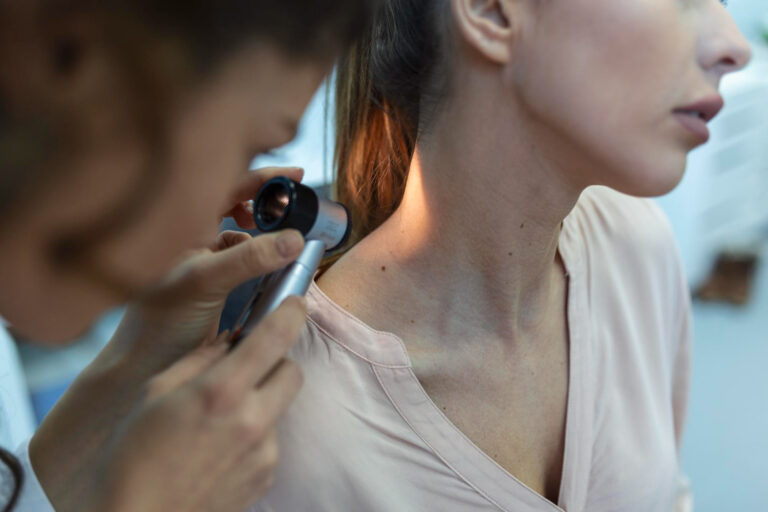
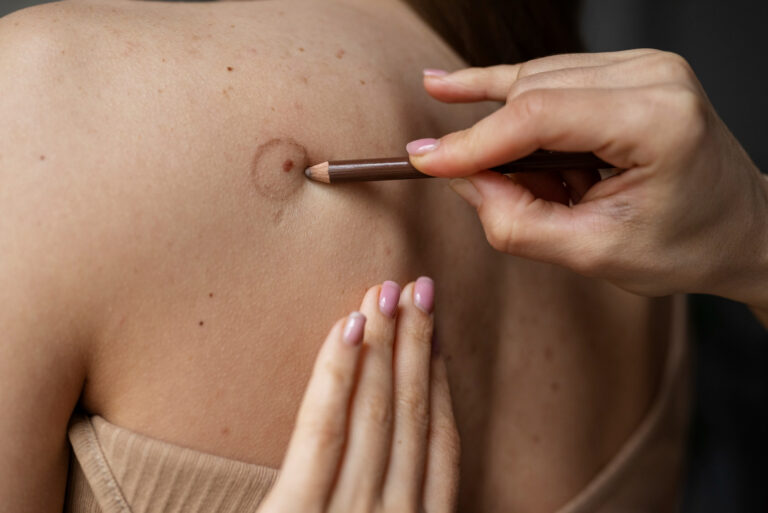
Not every brown mark on the skin is the same. Some spots are harmless pigment collections from UV exposure (sun spots/lentigines). Others may be post-inflammatory hyperpigmentation (PIH) after acne or irritation, melasma (often hormone-influenced), or lesions that require medical attention. Since treatments and safety depend on the diagnosis, a professional skin exam matters before you pursue any brown spots treatment. A dermatologist can confirm what you’re treating, identify any suspicious features, and recommend the most effective brown spots treatment plan for your skin type and goals.
How Laser Treatment for Brown Spots Works
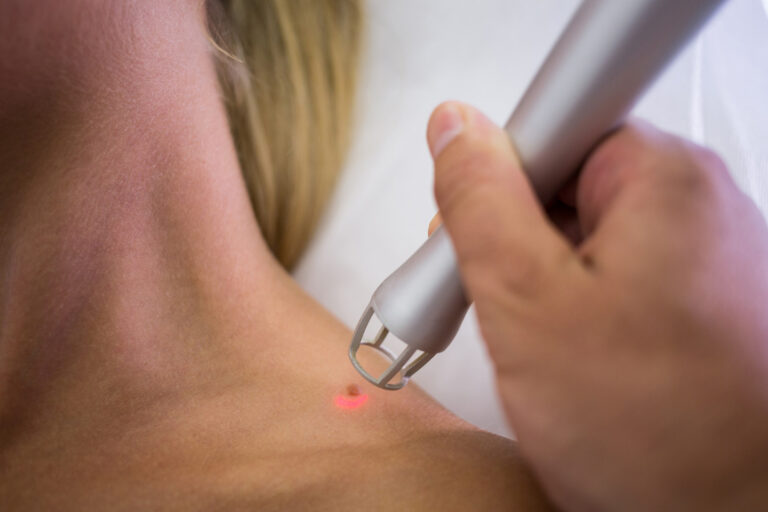
In these types of laser skin treatments, most pigment-targeting devices work by delivering specific wavelengths of light that are preferentially absorbed by melanin (the pigment that gives brown spots their color). This principle, often called selective photothermolysis, allows energy to break up or disperse pigment while minimizing impact to surrounding skin. Over the following days to weeks, the treated pigment may darken, flake off, or gradually fade as your skin clears the targeted melanin.
Depending on the type of spot and your skin tone, expert dermatologists may recommend one of several advanced dermatology approaches:
- Pigment-specific lasers: Best suited for discrete sun spots and certain benign pigmented lesions, delivering energy in very short pulses to shatter pigment.
- IPL (intense pulsed light): A broad-spectrum light treatment or laser skin treatment commonly used for diffuse sun damage, mottled pigmentation, and visible redness; often chosen when tone concerns are spread across an area (like face, chest, or hands).
- Fractional resurfacing lasers: Can improve overall texture and photoaging while helping blend uneven pigmentation; may be recommended when brown spots are part of a larger “sun damage” picture.
Who Is a Good Candidate for Laser Brown Spot Removal?
Laser treatment for brown spots can be highly effective, but the “right” treatment plan depends on your skin tone, the cause of the pigmentation, and how your skin typically heals. In general, good candidates are healthy adults with confirmed benign pigmentation who are committed to sun protection before and after treatment.
Who Is NOT a Good Candidate for Laser Brown Spot Removal?
- Recent tanning or sunburn: Treating tanned skin increases the risk of unwanted lightening or darkening, especially when undergoing laser treatment for brown spots.
- Melasma: Lasers and light devices can help some patients, but melasma can also worsen with heat/light, so a cautious, customized brown spots treatment approach is essential.
- Darker skin tones: Since melanin is present throughout the skin (not just in the spot), settings and device choice must be carefully selected to reduce the risk of post-inflammatory hyperpigmentation.
- History of scarring, keloids, or slow healing: Your dermatologist may recommend alternative treatments or adjust the intensity and aftercare plan.
- Certain medications or skin conditions: Some prescriptions and active rashes can affect timing and safety, making proper evaluation through advanced dermatology care important before proceeding with treatment.
What to Expect at Your Consultation
Renowned cosmetic dermatologists will start by examining your spots to confirm the diagnosis and discuss your medical history, skin sensitivity, and prior treatments. From there, your brown spots treatment plan may include laser or IPL sessions, prescription or over-the-counter topicals, and a prevention strategy to help keep pigment from returning.
You’ll also review what kind of improvement is realistic, how many sessions you may need, and what downtime (if any) to plan for. This tailored approach reflects the principles of advanced dermatology and ensures safe, effective outcomes.
Treatment Day, Recovery, and Results Timeline
Most pigment treatments or laser treatment for brown spots are performed in-office. You may feel brief snaps of heat or a rubber-band sensation, and cooling measures are often used to improve comfort. Afterward, the area can look mildly pink or feel sunburned for a short period.
For many sun spots, it’s common for the pigment to darken over the first few days, then gradually lift or flake off over 1–2 weeks. Other types of pigmentation may fade more slowly over several weeks and can require a series of treatments. Your dermatologist will tell you what to expect based on the specific brown spots treatment, device used, and the area treated (face often heals faster than chest or hands).
- Do: Use broad-spectrum SPF 30+ daily, reapply as directed, and wear hats/UPF clothing when possible to support long-term results from laser treatment for brown spots.
- Do: Keep skincare gentle (mild cleanser, moisturizer) until any sensitivity resolves.
- Don’t: Pick or scrub darkened spots – let them shed naturally to reduce scarring or hyperpigmentation following your brown spots treatment.
- Don’t: Use harsh exfoliants, retinoids, or acids until your dermatologist or clinician says it’s safe to restart.
- Don’t: Pursue tanning (including self-tanners right before treatment) as it can affect outcomes and safety.
Laser Brown Spot Treatment FAQs
Some discrete sun spots respond in as little as 1 laser treatment for brown spots, while diffuse sun damage or stubborn pigmentation can take a series. Your dermatologist will estimate a range after evaluating the depth and cause of the pigment.
Lasers can clear existing pigment, but they can’t stop future UV exposure from creating new spots. Consistent sunscreen and sun-avoidance habits are key to maintaining results after any brown spots treatment.
Laser skin treatments can be safe for darker skin tones, but device selection and conservative settings are crucial. An experienced dermatologist will choose advanced dermatology options designed to minimize the risk of unwanted pigment changes and will guide you on pre- and post-treatment skincare.
Cost varies based on the device used, the size of the area treated, and the number of sessions needed. A consultation is the best way to receive an accurate estimate tailored to your plan.
Next Steps: Build a Plan That’s Safe for Your Skin
If brown spots are bothering you, the most effective laser treatment for brown spots starts with the right diagnosis and the right device for your specific pigmentation. Dr. Stefan Weiss and the team at Trillium Dermatology can evaluate your skin, confirm whether a laser is appropriate, and design a treatment and prevention plan aimed at clearer, more even tone – without unnecessary risk.
Medical disclaimer: This article is for general educational purposes and does not replace medical advice. Always consult a qualified dermatologist for diagnosis and individualized treatment recommendations.