Mohs Surgery: A Complete Guide to Treatment & Recovery
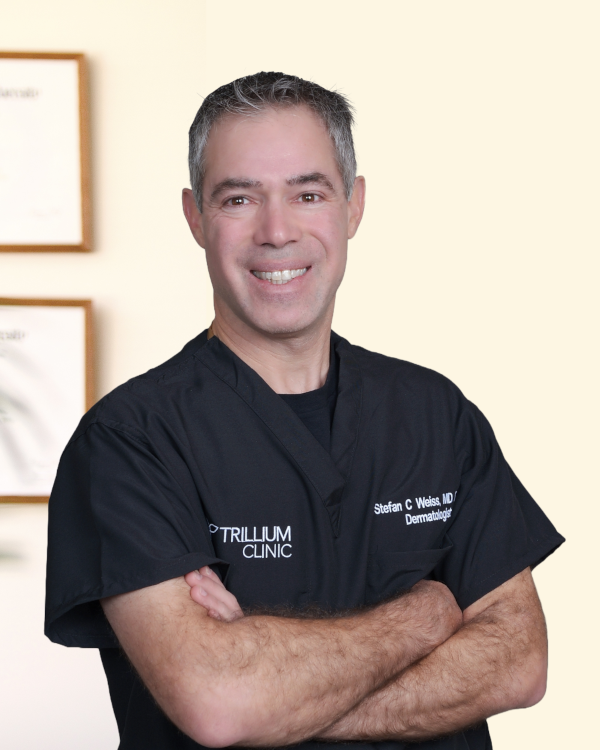
Mohs surgery is the gold standard for treating many common skin cancers because it offers the highest cure rates while preserving as much healthy tissue as possible. If your dermatologist has recommended Mohs surgery for skin cancer, you likely have a lot of questions and a fair amount of anxiety. That’s completely normal. Mohs micrographic surgery is one of the most precise and effective treatments for skin cancer available today, but the words “surgery” and “cancer” together are enough to make anyone uneasy. The good news? It has an exceptional success rate, a well-understood recovery process, and in the hands of a skilled surgeon like Dr. Stefan Weiss, board-certified dermatologist and Mohs Surgeon in Chapel Hill, leaves far less scarring than most patients expect.
This guide answers the questions patients ask most, including what to expect during recovery, how scarring is managed, and why so many local patients choose Trillium Dermatology when Mohs surgery for skin cancer is recommended.
What Is Mohs Surgery, and Why Is It the Gold Standard for Skin Cancer?
Mohs micrographic surgery was developed in the 1930s by Dr. Frederic Mohs and has since become the most effective technique for removing certain types of skin cancer, particularly basal cell carcinoma and squamous cell carcinoma. It’s especially well-suited for cancers on the face, ears, scalp, hands, and other areas where preserving healthy tissue matters enormously.
The Mohs surgery process works in stages. The surgeon removes a thin layer of tissue and examines it under a microscope on the same day – right there in the clinic. If cancer cells are still present at the margins, another layer is taken. This continues until the margins are completely clear. Since the surgeon can see exactly where the cancer ends and healthy tissue begins, it achieves cure rates of up to 99% for primary basal cell carcinomas and up to 97% for recurrent cases, rates that no other skin cancer removal procedure or skin cancer surgery matches.
The fact that only cancerous tissue is removed (rather than a wide margin of healthy skin) is one of the greatest benefits of Mohs surgery. Less tissue removed means a smaller wound, a better cosmetic outcome, and faster healing.
Does Mohs Surgery on the Face Leave a Big Scar?
This is one of the most common and understandable concerns patients bring to their consultation. The honest answer: scarring depends on several factors, but Mohs surgery is specifically designed to minimize it, particularly on the face.
Since the Mohs procedure removes only the cancerous tissue and nothing more, the wound created is typically as small as possible for complete cancer removal. This is a significant advantage over traditional wide-excision skin cancer surgery, which removes a larger margin of healthy tissue “just in case.”
Scarring is influenced by:
- The size and depth of the cancer: A small, superficial tumor will leave a much smaller wound than a larger or deeper one. Unfortunately, skin cancers left untreated for years tend to grow, which is one more reason early detection and timely Mohs surgery for skin cancer are so important.
- The location on the face: The nose, ears, and eyelids are more technically challenging areas for reconstruction. During the Mohs procedure, surgeons in these areas use specialized closure techniques: layered sutures, flaps, or grafts, to achieve the best cosmetic result.
- Your skin type and healing biology: Older skin, lighter skin, and skin in certain locations tend to heal with finer scars. Younger patients and those prone to keloid formation may need additional scar-management strategies as part of recovery.
- The repair technique used: Closure options include primary closure (stitching the edges together), a local flap, a skin graft, or secondary intention (allowing natural healing). An experienced Mohs surgeon near Chapel Hill will recommend the technique that best balances complete healing, function, and appearance.
What most patients experience:
Most patients are pleasantly surprised by how minimal their scar looks after full healing, which takes about 12 months. In the first few weeks, scars appear red and raised, which can be alarming. With time, proper wound care, sun protection, and sometimes adjunct treatments like silicone gel or laser therapy, most scars following Mohs surgery become significantly less noticeable over time.
What to Expect During Mohs Surgery Recovery
Knowing what to expect can make the Mohs surgery recovery process much less stressful. While every patient’s healing journey is unique, understanding the typical timeline helps you prepare for your procedure and recovery.
The Day of Surgery
The Mohs procedure is performed under local anesthesia, so you’ll be awake throughout but shouldn’t feel pain, just pressure and movement. You’ll be at the clinic for several hours, since each stage of tissue examination takes time. Bring something to read, a snack, and a driver, as you won’t be cleared to drive yourself home.
The First 48 Hours
Swelling and bruising are common during the first two days of Mohs surgery recovery, particularly when the surgical site is near the eyes, nose, or forehead. Keep your head elevated when sleeping, avoid bending over or heavy lifting, and take pain medication as directed; most patients find over-the-counter options sufficient after the first day.
The First Two Weeks
Proper wound care plays a vital role in successful recovery. Keep the wound clean and moist, typically with a prescribed ointment like petroleum jelly, changed daily. Most patients return to light daily activity within a few days, but strenuous exercise, swimming, and alcohol should be avoided for at least two weeks. Stitches are usually removed 7 to 14 days after surgery.
Weeks Two Through Twelve
The scar will go through its most active healing phase of recovery. It may feel firm, itchy, or tight; all normal signs of collagen remodeling. Sun protection over the scar is critical; UV exposure can permanently darken healing skin. Broad-spectrum SPF 30 or higher should be used consistently.
Three to Twelve Months
Scars typically reach their final appearance within a year after the Mohs procedure. If you’re unhappy with how a scar is progressing, discuss options with your care team, which may include silicone therapy, steroid injections, laser resurfacing, or further revision.
Why Burlington Patients Trust Trillium Dermatology for Mohs Surgery
Choosing where to undergo Mohs surgery is one of the most important decisions you’ll make after a skin cancer diagnosis. While the process follows the same evidence-based principles everywhere, the experience, precision, and reconstructive expertise of the board-certified dermatologist/surgeon can make a meaningful difference in both cancer cure rates and cosmetic outcomes.
- Close to home: Mohs micrographic surgery is a specialized procedure. Trillium’s surgical team brings that specialized expertise directly to Burlington, meaning patients don’t have to travel to Duke or UNC for the same level of care.
- Same-day pathology, under one roof: Every stage of the Mohs procedure from tissue processing and microscopic examination happens in-house, meaning shorter wait times between stages, more accurate margin assessment, and a smoother overall experience.
- Integrated reconstruction: Successful skin cancer surgery isn’t just about removing the cancer, which is only half the procedure. Trillium’s meticulous approach to wound closure is chosen specifically for each patient’s anatomy and goals.
- Clear communication and follow-through: Patients frequently comment on how well the Trillium Dermatology team explains each step, from initial consultation through recovery, with written aftercare instructions.
- Convenient location: For a procedure that may require multiple hours on the day of Mohs surgery and follow-up appointments afterward, proximity to home and easy parking matters.
Taking the Next Step
If you’ve been diagnosed with skin cancer or your dermatologist has recommended a Mohs surgery consultation, the most important thing you can do is not delay. Early treatment often means a smaller tumor, a less extensive skin cancer removal procedure, a simpler reconstruction, and an easier recovery. Delaying treatment can allow skin cancers to grow deeper or wider, making surgery more complex and potentially affecting both cosmetic and functional outcomes.
Trillium Dermatology welcomes new patients requiring Mohs surgery for skin cancer in Burlington and surrounding areas. Call to book a consultation, bring any biopsy reports or referral letters from your dermatologist, and come prepared with your questions. The team is here to walk you through every step, from diagnosis to a clear margin to a healed, healthy result.
FAQs
Mohs surgery is a highly specialized skin cancer removal procedure that removes cancer layer by layer while each layer is examined under a microscope during the same visit. This Mohs surgery process allows the surgeon to remove all cancer cells while preserving as much healthy tissue as possible. It offers cure rates of up to 99% for many primary basal cell carcinomas, making it the gold standard for treating certain skin cancers, especially on the face and other cosmetically sensitive areas.
Most patients can return to light daily activities within a few days, although strenuous exercise and swimming should be avoided for about two weeks. Initial healing usually occurs within 2–3 weeks, while Mohs surgery recovery continues as the scar matures over the next 6–12 months. Following your wound care instructions and protecting the area from sun exposure can significantly improve the final cosmetic result.
Any skin cancer surgery will leave a scar, but one of the biggest benefits of Mohs surgery is that it removes the smallest amount of healthy tissue necessary. This often results in a smaller wound and a less noticeable scar compared with traditional excision. Most scars continue to fade over the course of a year, and treatments such as silicone therapy or laser resurfacing may further improve their appearance if needed.
The Mohs procedure is performed under local anesthesia in an outpatient setting. Your surgeon removes a thin layer of tissue, which is immediately examined under a microscope. If cancer cells remain, another precise layer is removed only from the affected area. This process is repeated until the tissue margins are completely clear. Because each stage requires laboratory analysis, patients should expect to spend several hours at the clinic on the day of surgery.
Mohs surgery for skin cancer is most commonly recommended for basal cell carcinoma, squamous cell carcinoma, recurrent skin cancers, or tumors located on the face, nose, eyelids, ears, lips, scalp, hands, or other areas where preserving healthy tissue is especially important. A consultation with a board-certified dermatologist and Mohs surgeon will determine whether Mohs micrographic surgery is the most appropriate treatment for your specific diagnosis and location of skin cancer.