New Treatments for Vitiligo and Advances in Repigmentation
Vitiligo treatment has entered a new era of targeted therapy and improved repigmentation outcomes. Vitiligo is a chronic autoimmune skin disease affecting up to 2% of the global population, characterized by the progressive loss of melanocytes, the cells responsible for skin pigmentation, resulting in depigmented white patches that can appear anywhere on the body. Beyond its physical manifestations, vitiligo carries a profound psychological burden, particularly for patients with darker skin phototypes in whom the contrast between affected and unaffected skin is most visible. Stigma, anxiety, depression, and reduced quality of life are well-documented consequences of the disease. For generations, treatment options for vitiligo were limited and often disappointing, offering gradual and incomplete repigmentation at best. But in recent years, the field has undergone a genuine transformation – one driven by a deeper understanding of vitiligo’s immunological mechanisms and the emergence of targeted, new treatments for vitiligo that address the root causes of melanocyte destruction.
The Immunology of Vitiligo: Why Treatment Has Evolved
The pathogenesis of vitiligo is now well understood to be primarily autoimmune. Oxidative stress in the skin triggers the release of stress signals from melanocytes, which activate plasmacytoid dendritic cells to produce type I interferons. These interferons, signaling through the JAK-STAT pathway (specifically JAK1 and TYK2), induce the production of chemokines CXCL9 and CXCL10 that recruit autoreactive CD8+ cytotoxic T cells to the skin. These T cells target and destroy melanocytes. Long-lived tissue-resident memory T cells (Trm cells) then persist in the skin, maintaining immune surveillance and driving disease relapse even after apparent repigmentation.
This understanding, that vitiligo is an interferon-driven, JAK-STAT-dependent autoimmune disease, provided the scientific rationale for using JAK inhibitors in vitiligo treatment. The results have validated the hypothesis.
Ruxolitinib Cream: The First FDA-Approved Repigmentation Therapy
In July 2022, the FDA approved ruxolitinib cream 1.5% (Opzelura, Incyte) for the treatment of nonsegmental vitiligo in patients aged 12 years and older with up to 10% of body surface area involvement, making it the first and, to date, only FDA-approved therapy specifically indicated for vitiligo repigmentation treatment.
Ruxolitinib is a selective JAK1 and JAK2 inhibitor. By blocking the JAK-STAT signaling pathway activated by interferon-gamma and other cytokines, it dampens the autoimmune attack on melanocytes and creates a permissive environment for repigmentation to occur. Phase 3 trial data demonstrated that at 24 weeks, approximately 30% of patients achieved at least 75% improvement in the Facial Vitiligo Area Scoring Index (F-VASI75), rising to over 40% by week 52. The face responds most robustly to ruxolitinib, reflecting the greater density of hair follicles and melanocyte reservoirs in facial skin. Lesions on the hands, feet, and glabrous skin respond less well.
Long-term extension data out to 104 weeks have shown continued improvement and durability of response when ruxolitinib is combined with narrowband ultraviolet B (NB-UVB) phototherapy. In one extension study, F-VASI improved in 78.9% of patients, and total body VASI improved in 94.7% of patients after adding phototherapy, including patients who had not responded adequately to ruxolitinib alone. This combination strategy, ruxolitinib plus NB-UVB, is increasingly used in clinical practice and reflects emerging evidence that the two modalities work synergistically: JAK inhibition reduces immune-mediated melanocyte destruction, while UV light stimulates melanocyte migration and proliferation from follicular reservoirs. Among the latest vitiligo therapies, this combination approach represents a significant advancement in vitiligo repigmentation treatment and highlights the growing effectiveness of modern vitiligo treatment strategies.
Oral JAK Inhibitors: The Next Frontier
While topical ruxolitinib represents a meaningful advance in vitiligo treatment, its use is limited to patients with no more than 10% BSA involvement. Patients with more extensive vitiligo, or disease that is actively spreading, require systemic options. This has driven significant interest in oral JAK inhibitors among researchers developing new treatments for vitiligo, and several are now in late-stage clinical development.
Upadacitinib (Rinvoq, AbbVie), a selective oral JAK1 inhibitor, generated compelling phase 3 results in 2025 in adults and adolescents with nonsegmental vitiligo. The trial met both co-primary endpoints, T-VASI 50 (at least 50% improvement in total body vitiligo) and F-VASI 75, at week 48 compared to placebo, with a safety profile consistent with its use in other approved indications. These data are particularly exciting because they demonstrate meaningful repigmentation across the entire body surface area, beyond the facial-predominant response seen with topical ruxolitinib. Regulatory review is anticipated to follow.
Among the latest vitiligo therapies, upadacitinib stands out because it may expand treatment options for patients with more extensive disease who are not ideal candidates for topical therapy alone.
Ritlecitinib (Litfulo, Pfizer), a JAK3 and TEC family kinase inhibitor already FDA-approved for severe alopecia areata, has shown promising phase 2 results for vitiligo, particularly when combined with NB-UVB phototherapy. The combination of ritlecitinib plus phototherapy demonstrated accelerated and enhanced vitiligo repigmentation treatment outcomes compared to either therapy alone in phase 2b extension data. Phase 3 investigation is ongoing. Povorcitinib (formerly INCB54707), a JAK1 inhibitor, is also in phase 3 evaluation for nonsegmental vitiligo, and early results are encouraging.
Baricitinib (Olumiant, Eli Lilly), a JAK1/JAK2 inhibitor approved for rheumatoid arthritis and severe alopecia areata, is being studied in combination with NB-UVB in phase 2 and 3 trials for vitiligo. Case reports and small studies have suggested repigmentation benefits, and the formal trial data will help establish its role in future vitiligo treatment strategies.
Afamelanotide: A Different Approach
Afamelanotide (Scenesse, Clinuvel) takes an entirely different approach to vitiligo management. Rather than suppressing the autoimmune attack, afamelanotide is a synthetic analog of alpha-melanocyte-stimulating hormone (alpha-MSH) that directly stimulates the melanocortin 1 receptor (MC1R) on melanocytes, enhancing their pigmentation and promoting proliferation. Afamelanotide has been FDA-approved since 2019 for a different indication (erythropoietic protoporphyria), and clinical trials are now evaluating it specifically as part of new treatments for vitiligo.
A phase 3 trial (CUV105) is currently enrolling to evaluate subcutaneous afamelanotide implants in combination with NB-UVB phototherapy versus NB-UVB alone in vitiligo patients. The rationale for combination with phototherapy is compelling: UV light stimulates melanocyte migration from follicular reservoirs, while afamelanotide provides the biochemical signals to maximize melanocyte survival and pigment production. Early phase 2 data suggested that the combination produced greater and faster repigmentation than phototherapy alone.
As one of the most promising latest vitiligo therapies under investigation, afamelanotide may eventually expand the range of options available for patients seeking effective vitiligo repigmentation treatment, particularly when used alongside established phototherapy protocols.
Combination Approaches and the Evolving Standard of Care
One of the most important shifts in modern vitiligo treatment is the growing evidence that combination strategies, pairing an immune-suppressing agent (JAK inhibitor) with a melanocyte-stimulating approach (phototherapy or afamelanotide), may produce synergistic results superior to either approach alone. The mechanistic rationale is clear: stopping immune-mediated melanocyte destruction is necessary but not sufficient; actively promoting melanocyte repopulation of depigmented areas is needed as well.
In clinical practice, many board-certified dermatologists combine topical ruxolitinib with NB-UVB phototherapy, applying the cream several hours before UV exposure to optimize skin penetration before the emollient effect might interfere with UV delivery. As oral JAK inhibitors move toward approval for vitiligo, combination strategies with phototherapy and potentially afamelanotide will likely become an important component of treatment protocols for patients with extensive disease.
Among the new treatments for vitiligo, combination regimens are increasingly viewed as a promising pathway toward more effective and durable vitiligo repigmentation treatment outcomes.
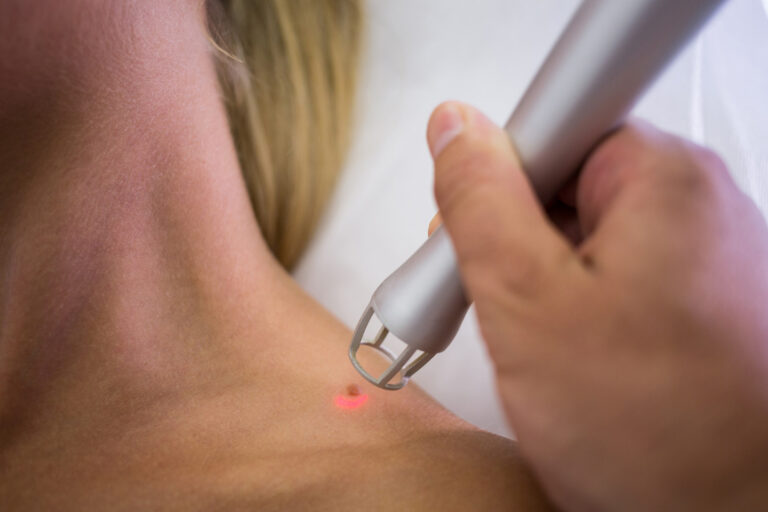
Current evidence supports phototherapy, particularly narrowband ultraviolet B, as the cornerstone of vitiligo treatment for disease involving more than a few isolated patches. Excimer laser and lamp therapy remain useful for localized lesions. First-line topical options for early or limited disease include topical corticosteroids and calcineurin inhibitors (tacrolimus, pimecrolimus), with topical ruxolitinib now an important addition to this arsenal.
Challenges and Unmet Needs
Despite extraordinary progress, significant challenges remain. Repigmentation in vitiligo is slow, often requiring months to years of sustained treatment, and clinicians and patients must set appropriate expectations. The response varies substantially by body location, with glabrous skin (palms, soles, and other areas without hair follicles, which serve as the reservoir for melanocyte repopulation) responding poorly to current therapies. Relapse after stopping treatment is common, occurring in approximately 40% of patients within one year of discontinuation, underscoring the need for maintenance strategies or long-term therapy.
Predictive biomarkers to identify which patients will respond best to which therapies are still lacking. Research into IL-15 signaling and tissue-resident memory T cell biology may eventually yield strategies to prevent relapse and achieve more durable remissions. For now, managing expectations and choosing individualized regimens based on disease extent, location, and patient factors remains the standard.
As the latest vitiligo therapies continue to evolve, researchers remain focused on developing treatments that not only restore pigment but also sustain long-term disease control and reduce relapse rates.
Vitiligo Care at Trillium Dermatology
Vitiligo is a condition that requires not only skilled medical management but also empathetic, patient-centered care that acknowledges its psychological dimensions. At Trillium Dermatology, we offer comprehensive vitiligo evaluation and management, including accurate diagnosis and classification, phototherapy, and access to the full spectrum of topical and emerging systemic treatments. Our dermatologists are actively following the clinical trial landscape and are prepared to discuss emerging options, including topical ruxolitinib, combination phototherapy protocols, and oral JAK inhibitors as they become available.
Patients seeking a dermatologist for vitiligo treatment can benefit from individualized care plans designed around disease severity, treatment goals, and the latest scientific evidence. As a trusted, advanced vitiligo clinic in Chapel Hill, Trillium Dermatology remains committed to bringing innovative treatment options to patients seeking meaningful repigmentation and long-term disease management.
If you have been living with vitiligo and have not explored recent advances in treatment, now is an excellent time to revisit your options. Whether your disease is newly diagnosed or longstanding, there are more reasons for optimism today than at any previous point in the history of vitiligo management. Contact Trillium Dermatology to schedule a consultation and take the first step toward a personalized, evidence-based vitiligo treatment plan.
FAQs
The most effective vitiligo treatment depends on the extent and location of the disease. For many patients with nonsegmental vitiligo, topical ruxolitinib cream has become a major advancement as the first FDA-approved therapy specifically for repigmentation. For more extensive disease, narrowband UVB (NB-UVB) phototherapy, often combined with topical or emerging oral JAK inhibitors, currently offers some of the best outcomes.
Several new treatments for vitiligo have emerged in recent years. These include ruxolitinib cream; oral JAK inhibitors such as upadacitinib and ritlecitinib, which are currently under investigation; and afamelanotide, a melanocyte-stimulating therapy being studied in combination with phototherapy. These targeted therapies address the underlying immune pathways involved in vitiligo rather than simply managing symptoms.
Vitiligo repigmentation treatment typically requires patience. Some patients begin to notice improvement within a few months, but meaningful repigmentation often takes six months or longer. Areas such as the face tend to respond more quickly, while the hands and feet can be more resistant to treatment. Consistency with therapy is critical for achieving the best results.
Yes. Even after successful repigmentation, vitiligo can relapse. Research suggests that a significant percentage of patients experience some degree of recurrence after discontinuing treatment. This is why many dermatologists recommend maintenance therapy and regular follow-up visits to help preserve results and monitor for new disease activity.
You should consult a dermatologist for vitiligo treatment if you notice new white patches, spreading depigmentation, or if previous treatments have not been effective. A specialist can confirm the diagnosis, determine the type and extent of vitiligo, and recommend a personalized treatment plan that may include phototherapy, topical medications, or the latest vitiligo therapies. Early intervention often improves the chances of successful repigmentation.