Exploring Causes, Prevention, and Modern Solutions for Hyperpigmentation
Brown spots, also known as age spots, sun spots, or liver spots, are a common cosmetic concern for people of all ages and skin types. While generally harmless, these patches of hyperpigmentation can affect self-confidence and prompt many to seek brown spots treatment options to restore an even skin tone. In this comprehensive blog, we’ll explore the causes of brown spots, preventive strategies, the full range of cosmetic/hyperpigmentation treatments available today, and considerations for choosing the best approach for your unique skin.
Understanding Brown Spots: What Are They and Why Do They Occur?
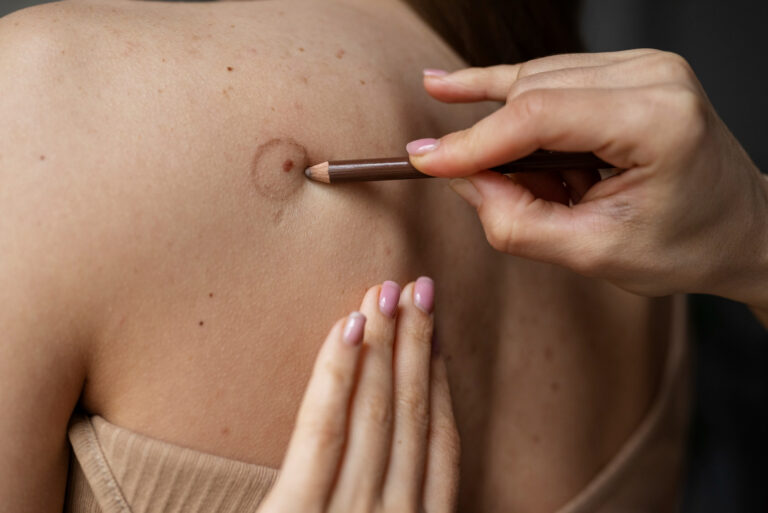
Brown spots are flat, oval-shaped areas of increased pigmentation that range in color from light brown to black. They most often appear on areas of the skin frequently exposed to the sun, such as the face, hands, shoulders, and arms. While brown spots are medically known as “solar lentigines,” they are often referred to as age spots, liver spots, or sun spots. Despite the names, they have nothing to do with liver health but are closely associated with UV exposure and the natural aging process.
Key Causes of Brown Spots
- Sun Exposure: Ultraviolet (UV) rays from the sun trigger the production of melanin, the pigment responsible for skin color. Over time, repeated sun exposure can cause melanin to accumulate in certain areas, leading to brown spots and hyperpigmentation.
- Aging: As we age, the skin’s ability to regenerate and evenly distribute melanin declines, making older adults more prone to hyperpigmentation.
- Hormonal Changes: Pregnancy, birth control pills, or hormonal therapy can cause melasma, a form of brown spots commonly seen on the face.
- Genetics: Some individuals are genetically predisposed to develop brown spots, regardless of sun exposure.
- Skin Injuries: Inflammation or trauma to the skin, such as acne or cuts, can sometimes result in post-inflammatory hyperpigmentation.
Prevention: The First Step Towards Even Skin
Preventing brown spots is always easier than undergoing brown spots treatment. Consistent sun protection is the most effective strategy:
- Use a broad-spectrum sunscreen with SPF 30 or higher every day, even on cloudy days.
- Wear protective clothing, hats, and sunglasses when outdoors.
- Seek shade during peak sun hours (10 AM to 4 PM).
- Avoid tanning beds, which emit harmful UV rays.
- Maintain a gentle skincare routine to avoid irritation and trauma to the skin.
Exploring Cosmetic Treatments for Brown Spots
If you already have brown spots or hyperpigmentation, a variety of cosmetic treatments can help fade or remove them. When considering these options, it’s important to consult with a dermatologist or licensed skincare professional to determine the most appropriate brown spots treatment for your skin type, the severity of hyperpigmentation, and your personal preferences.
Topical Treatments
1. Over-the-Counter (OTC) Creams and Serums
- Hydroquinone: One of the most widely used ingredients for lightening brown spots. It works by inhibiting melanin production. OTC versions are typically available in 2% concentrations, while higher strengths require a prescription.
- Retinoids (Retinol, Tretinoin): Derived from vitamin A, retinoids accelerate cell turnover and can gradually fade hyperpigmentation.
- Vitamin C: An antioxidant that brightens the skin and interferes with melanin production.
Kojic Acid: Sourced from fungi, kojic acid is a natural skin lightener found in many serums and creams. - Niacinamide: A form of vitamin B3, niacinamide can help reduce the appearance of dark spots and improve skin barrier function.
OTC products require patience – results may take several weeks or months. It’s crucial to use sunscreen alongside these treatments, as many ingredients make the skin more sensitive to sunlight.
2. Prescription Medications
For more stubborn pigmentation, dermatologists may prescribe stronger creams containing higher concentrations of hydroquinone, retinoids, or combination therapies (e.g., hydroquinone, tretinoin, and a mild steroid). These treatments are tailored to the individual and monitored for side effects such as irritation or redness.
Chemical Peels
Chemical peels use acids (such as glycolic, lactic, salicylic, or trichloroacetic acid) to remove the top layers of skin, encouraging new, evenly pigmented skin to form. Peels vary in intensity:
- Superficial Peels: Target the outermost layer and require little downtime. Suitable for mild brown spots treatment.
- Medium Peels: Penetrate deeper and may require several days of recovery. Effective for more pronounced spots. Suitable for moderate hyperpigmentation treatment.
- Deep Peels: Used for severe cases and require significant downtime and aftercare.
Chemical peels should be performed by experienced professionals to minimize risks such as scarring or uneven pigmentation.
Laser Treatments
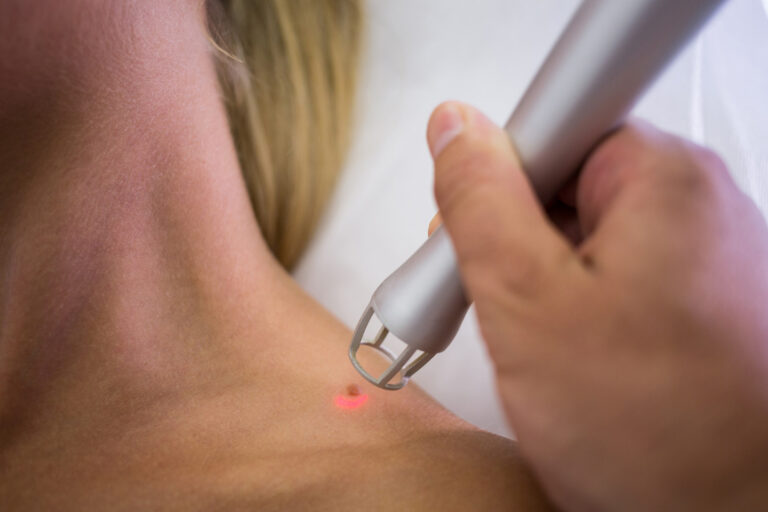
Laser treatments or therapies are popular and one of the best hyperpigmentation treatment options available today. Different lasers are used depending on skin type and pigmentation depth:
- Nd-Yag Lasers: Emit short, high-energy pulses that break up melanin deposits without damaging surrounding skin.
- Fractional Lasers: Deliver energy in a grid-like pattern, promoting collagen production and skin renewal.
Laser treatments typically require several sessions and may involve temporary redness, swelling, or crusting. They offer rapid results for many patients, but are not suitable for all skin tones or types.
Intense Pulsed Light (IPL) Therapy
IPL is a non-invasive light-based brown spots treatment that uses multiple wavelengths to target pigment. Unlike lasers, which use a single wavelength, IPL covers a broader area and is particularly effective for sun-induced pigmentation and redness. Multiple sessions are usually needed, and mild swelling or redness can occur post-treatment.
Cryotherapy
Cryotherapy involves applying liquid nitrogen to brown spots, freezing and destroying excess melanocytes. As the treated area heals, the spot typically fades or falls off. This method is quick, effective for isolated spots, and mild hyperpigmentation; usually performed in a dermatologist’s office.
Microdermabrasion and Dermabrasion
- Microdermabrasion: Uses a device to gently exfoliate the skin’s surface, helping to lighten brown spots over multiple sessions with minimal downtime.
- Dermabrasion: A more aggressive technique that removes deeper skin layers and is reserved for more severe pigmentation or scarring.
Both methods stimulate skin regeneration and can improve overall skin texture and tone when incorporated into a consistent hyperpigmentation treatment plan.
Natural Remedies and Home Treatments
Some individuals opt for natural remedies like aloe vera, apple cider vinegar, green tea extract, or licorice extract for mild brown spots treatment. While these may have mild brightening effects, their efficacy is generally lower than medical treatments, and results can be inconsistent. Always consult a dermatologist before trying new home treatments for hyperpigmentation, as some ingredients can cause irritation or allergic reactions.
Considerations When Choosing a Treatment
When selecting the best hyperpigmentation treatment, always consider:
- Skin Type and Tone: Not all treatments are suitable for all skin types. For example, certain lasers may cause unwanted pigmentation in darker skin tones.
- Underlying Causes: Treating hormonal pigmentation (like melasma) may require a different approach than sun-induced brown spots.
- Downtime and Side Effects: Some brown spots treatments require recovery time or have temporary side effects. Discuss these with your provider.
- Cost and Accessibility: Advanced treatments like lasers and IPL can be costly and may require multiple sessions.
- Expertise of Provider: Always choose a qualified and experienced professional to minimize risks and ensure optimal results.
What to Expect: Results and Maintenance
Most cosmetic treatments require time and consistent application to see significant improvement. Even after successful treatment, brown spots can recur with subsequent sun exposure. That’s why ongoing sun protection and a tailored skincare routine are vital for maintaining results. Follow-up treatments or maintenance sessions may also be recommended, depending on the chosen method.
Frequently Asked Questions (FAQs)
- Are brown spots dangerous?
Brown spots are generally harmless and are not a sign of skin cancer. However, if a spot changes in shape, color, size, or becomes symptomatic (itchy, bleeding), consult a dermatologist to rule out melanoma or other conditions. - How long does it take for brown spots to fade?
With topical hyperpigmentation treatment, fading may take several weeks to a few months. In-office procedures like lasers or chemical peels can yield faster results, but multiple sessions may be necessary. - Can brown spots reappear?
Yes, especially with ongoing sun exposure or if underlying hormonal triggers persist. Maintenance and preventive care are key. - Is it safe to try DIY treatments?
While some home remedies are safe, others may irritate the skin or worsen pigmentation. Always patch-test new products and consult a dermatologist for personalized recommendations.
Conclusion: Achieving Brighter, Even-Toned Skin
Brown spots are a common cosmetic concern that can be effectively addressed with modern treatments. From topical creams and serums to advanced laser therapies, today’s brown spots treatments offer hope for those seeking to restore smooth, radiant skin. Prevention through diligent sun protection remains the cornerstone of a healthy skincare regimen.
If you’re considering professional hyperpigmentation treatment, start with a consultation with a board-certified dermatologist or skincare professional. They can assess your skin, discuss your goals, and design a personalized, best hyperpigmentation treatment plan to help you achieve the best possible results.
Disclaimer: This blog is for informational purposes only and does not constitute medical advice. Always consult a qualified healthcare provider for diagnosis and treatment of skin conditions.