Rosacea Treatment for Persistent Redness Relief
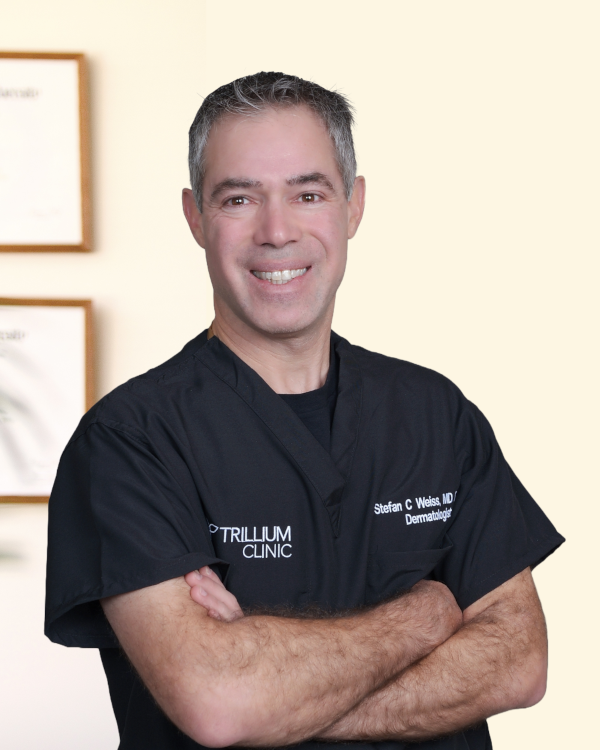
Rosacea treatment often requires more than over-the-counter products, especially when persistent redness and visible blood vessels become difficult to manage. It is a common but often frustrating skin condition that causes persistent redness, visible blood vessels, and sometimes acne-like breakouts on the face. While skincare products can help manage symptoms, many patients need more advanced rosacea skin treatment to truly reduce redness. At Trillium Dermatology, Dr. Stefan Weiss, an experienced rosacea dermatologist, offers vascular laser treatments to safely and effectively target the underlying blood vessels that cause flushing and visible redness.
What Is Rosacea?
It is a chronic inflammatory skin condition that most often affects the cheeks, nose, chin, and forehead. Symptoms may include:
- Persistent facial redness
- Flushing episodes
- Visible broken blood vessels (telangiectasias)
- Bumps or acne-like breakouts
- Skin sensitivity and burning sensations
Triggers such as heat, sun exposure, spicy foods, alcohol, and stress can make it worse. While topical and oral medications can calm inflammation, they don’t always eliminate the background redness or visible vessels that many patients find most bothersome. That’s why many individuals seek rosacea redness treatment options that directly address vascular changes rather than only inflammation.
How Vascular Laser Treatments Help Rosacea
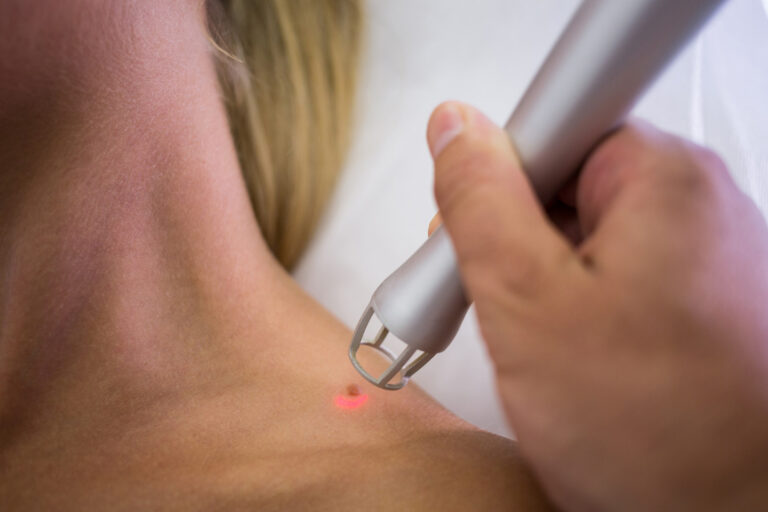
Vascular lasers are designed to specifically target hemoglobin: the red pigment in blood vessels, without damaging surrounding skin. Comprehensive treatment uses advanced vascular laser technology to:
- Reduce persistent facial redness
- Shrink visible blood vessels
- Decrease flushing intensity
- Improve overall skin tone
The laser energy gently heats and collapses dilated blood vessels. Over time, the body naturally clears these vessels, leaving the skin looking more even and less red. These laser procedures are considered among the most effective rosacea treatments for patients struggling with visible vascular changes.
What to Expect During Treatment
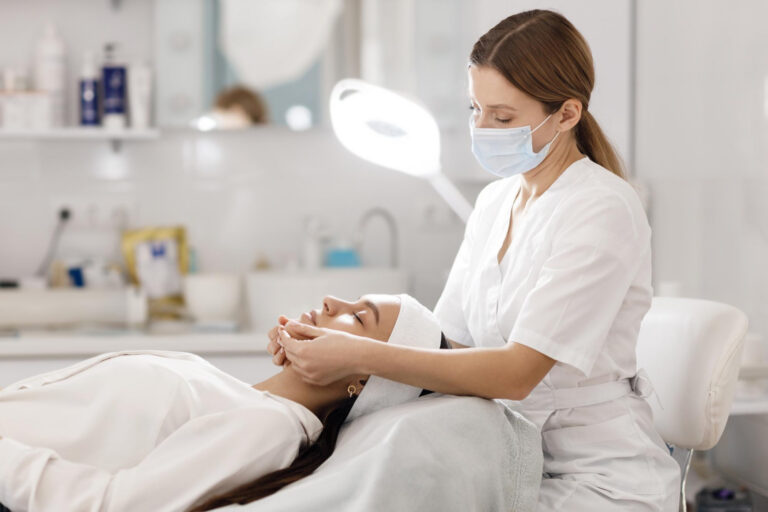
Vascular laser treatments are performed in the office and typically take 20 to 30 minutes, depending on the area treated. Most patients describe the sensation as a quick snap against the skin, similar to a rubber band. Cooling systems and careful technique help keep the procedure comfortable.
After treatment, you may notice mild redness or swelling for a few hours to a couple of days. Some treated vessels may temporarily darken before fading. There is little to no downtime, and most people return to normal activities quickly.
For best results, a series of treatments, usually 3 to 5 sessions spaced several weeks apart, is recommended. Maintenance sessions may be needed over time, since rosacea care is an ongoing process due to the chronic nature of the condition.
Who Is a Good Candidate?
Vascular laser treatments are ideal for patients with:
- Persistent facial redness
- Visible broken capillaries
- Flushing that doesn’t improve with skincare alone
A consultation with board-certified dermatologists ensures the treatment plan is tailored to your skin type, severity, and triggers. Patients with certain skin tones or medical conditions may need modified settings or alternative rosacea skin treatment approaches.
Managing Rosacea Long Term
Laser treatments work best when combined with the best skincare for rosacea, daily sunscreen, and avoidance of personal triggers. With the right approach, patients can achieve long-lasting improvement and fewer flare-ups.
If facial redness is affecting your confidence, schedule a consultation for vascular laser treatments done by Dr. Stefan C Weiss at Trillium Dermatology. They provide one of the most effective treatments you’ve been looking for.
Add Your Heading Text Here
The most effective treatment for persistent redness often includes vascular laser therapy, which targets dilated blood vessels directly. While topical and oral medications reduce inflammation, lasers are considered one of the most reliable options for long-term rosacea redness treatment.
It is a chronic condition, meaning it cannot be permanently cured. However, with proper care, including medical management, laser therapy, and trigger avoidance, symptoms can be significantly reduced and controlled long-term.
Most patients require 3 to 5 sessions spaced several weeks apart for optimal results. Since it is chronic, maintenance treatments may be recommended as part of an ongoing treatment plan.
The best skincare includes gentle, fragrance-free cleansers, barrier-repair moisturizers, and daily broad-spectrum sunscreen. Avoiding harsh exfoliants and known triggers is essential for maintaining results after professional treatment.
You should consult a dermatologist if redness, flushing, visible blood vessels, or breakouts persist despite over-the-counter products. Early evaluation allows for a personalized plan and access to more advanced, effective treatments.