Discover Modern Solutions in Laser Treatment for Rosacea
Laser treatment for rosacea has become one of the most effective modern solutions for managing facial redness and sensitivity with precision and lasting results. Rosacea is more than just a cosmetic concern; it’s a chronic skin condition that can impact self-confidence and overall well-being. Characterized by persistent redness, visible blood vessels, and sensitive skin, rosacea often affects the face and can be challenging to manage with conventional methods alone.
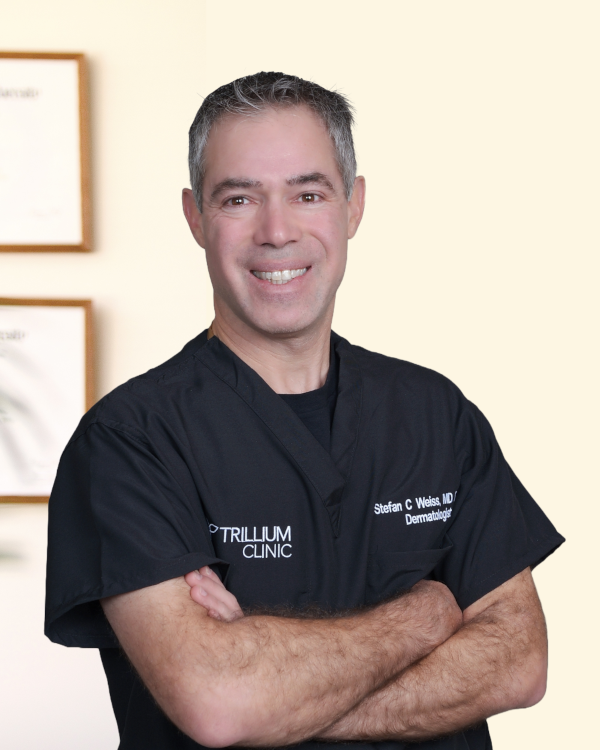
Thankfully, advancements in dermatology offer new hope: laser treatment has emerged as a powerful, minimally invasive option for controlling rosacea symptoms and restoring a clearer, healthier complexion. Leading this innovative approach in Chapel Hill is Dr. Stefan Weiss at Trillium Dermatology, where expert care and advanced technology combine to deliver life-changing results for patients. For those seeking a more personalized and effective rosacea treatment, Dr. Weiss’s precision-based laser treatment approach offers renewed confidence and visible improvement.
Understanding Rosacea: Symptoms, Triggers, and Challenges
Rosacea is a chronic inflammatory skin disorder, most commonly appearing on the cheeks, nose, forehead, and chin. Its hallmark symptoms include facial redness, visible blood vessels (telangiectasia), swelling, and sometimes acne-like bumps. For many sufferers, symptoms can flare unpredictably, triggered by factors such as sun exposure, stress, spicy foods, alcohol, temperature changes, and certain skincare products. The condition affects millions of Americans, often appearing in adults over 30 and more frequently in those with fair skin. While rosacea is not dangerous, its persistent nature and visible effects can lead to emotional distress and social discomfort.
One of the biggest challenges with rosacea is its unpredictability. Flare-ups can happen suddenly, and the condition often resists traditional topical treatments. Over time, untreated rosacea may progress, leading to thickened skin or eye involvement. For those seeking lasting relief, understanding triggers and adopting a personalized laser treatment for rosacea plan is essential.
Traditional Treatments vs. Laser Therapy: Weighing Your Options
Historically, rosacea treatment and management have relied on topical creams, oral medications, and lifestyle modifications. These treatments can help reduce inflammation and control symptoms, but they often provide only partial relief. Topical antibiotics or azelaic acid may lessen bumps and redness, while oral antibiotics target underlying inflammation. However, these options may require long-term use and can be slow to show results.
Laser treatment for rosacea or therapy offers a compelling alternative for those struggling with persistent redness and visible blood vessels. Unlike medications, laser treatment directly targets the underlying vascular changes that cause rosacea’s most noticeable symptoms. Patients often see significant improvement after just a few sessions, with benefits that go beyond what creams and pills can achieve. For individuals seeking a faster, more effective solution, laser treatments are transforming the landscape of rosacea treatment and care.
How Laser Treatment Works: Science and Technology Behind the Solution
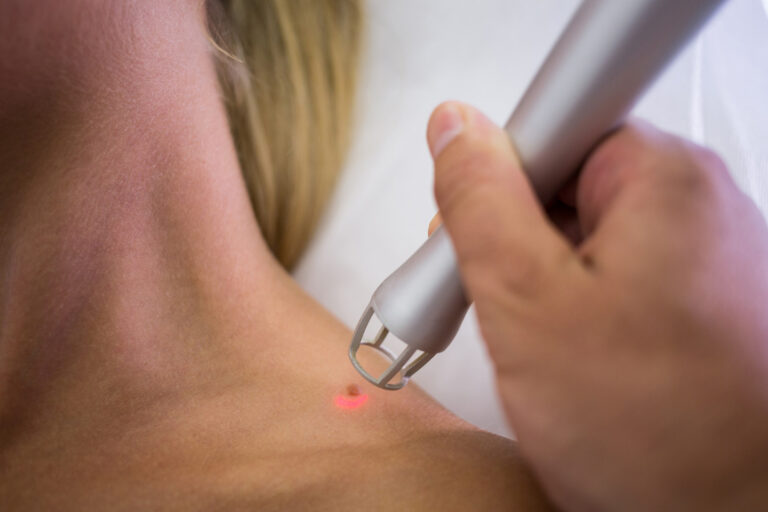
Laser therapy for rosacea harnesses focused light energy to treat the skin’s visible symptoms. The most commonly used devices are those that emit specific wavelengths of light that target oxyhemoglobin within blood vessels, causing them to constrict and fade over time. The result: reduced facial redness, diminished blood vessels, and a smoother skin texture.
During laser treatment, the laser’s energy is absorbed by abnormal blood vessels beneath the skin’s surface. This process selectively destroys these vessels without harming surrounding tissues, leading to a more even complexion. Modern devices also feature cooling mechanisms to maximize comfort and safety during each session. Most patients require a series of sessions in laser treatment for rosacea, spaced several weeks apart, to achieve optimal results.
Benefits of Laser Treatment: Why Patients Choose This Approach
- Reduced Redness: Laser therapy for rosacea effectively diminishes persistent facial redness, helping patients achieve a more balanced skin tone.
- Improved Skin Texture: Many patients notice smoother, more refined skin after laser treatment, with fewer bumps and visible blood vessels.
- Minimal Downtime: Sessions typically last less than an hour, and most patients can return to normal activities the same day.
- Long-Lasting Results: With proper care, laser treatment results can be maintained for months or even years, providing ongoing confidence and comfort.
- Non-Invasive: No incisions or injections are required. Laser therapy offers a gentle, targeted approach to rosacea treatment and management.Lorem ipsum dolor sit amet, consectetur adipiscing elit. Ut elit tellus, luctus nec ullamcorper mattis, pulvinar dapibus leo.
What to Expect During Treatment: Your Journey to Clearer Skin
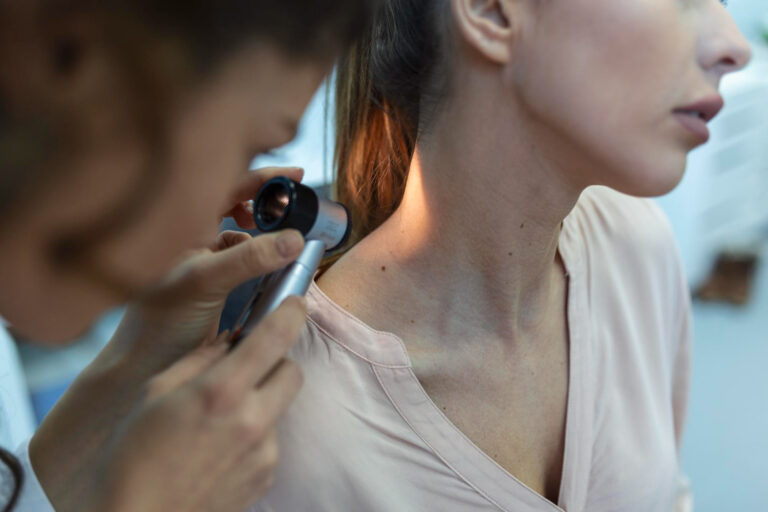
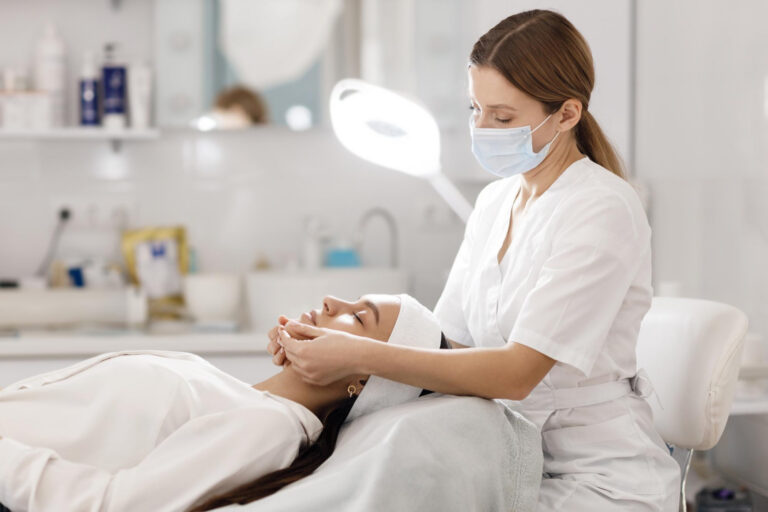
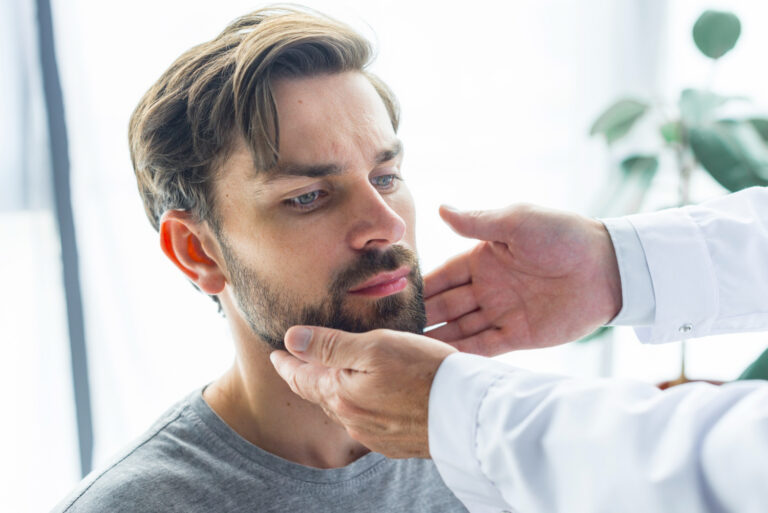
Your path to laser treatment for rosacea can begin with a personalized consultation with an expert dermatologist such as Trillium Dermatology. They take the time to understand your skin’s unique needs, discuss your rosacea history, and identify triggers. During the session, your skin will be cleansed, and protective eyewear will be provided. The laser treatment device is gently moved across affected areas, delivering pulses of light that may feel like a mild snap or warmth. Most treatments are well-tolerated, with minimal discomfort.
After the procedure, you may notice mild redness or swelling; these effects typically resolve within one to two days. They will provide aftercare instructions to ensure a smooth recovery, and you’ll be scheduled for follow-up visits to monitor progress and plan subsequent rosacea treatment sessions if needed. The entire process is designed for your comfort and convenience, with a focus on achieving the best possible results.
Aftercare and Maintenance: Tips for Lasting Results
Proper aftercare is essential for maximizing the benefits of laser treatment. Dr. Stefan Weiss provides detailed instructions to help patients protect their skin and maintain results. Common recommendations include:
- Avoiding sun exposure and using broad-spectrum sunscreen daily
- Applying gentle, non-irritating moisturizers to support healing
- Refraining from vigorous exercise, hot showers, or harsh skincare products for several days post-procedure
- Scheduling periodic follow-up visits to monitor progress and address any concerns
By following these guidelines, patients can enjoy long-lasting improvements and minimize the risk of recurrence. Consistent skincare and trigger avoidance are key to sustaining a healthy complexion after laser treatment for rosacea.
Proper aftercare is essential for maximizing the benefits of laser treatment. Dr. Stefan Weiss provides detailed instructions to help patients protect their skin and maintain results. Common recommendations include:
- Avoiding sun exposure and using broad-spectrum sunscreen daily
- Applying gentle, non-irritating moisturizers to support healing
- Refraining from vigorous exercise, hot showers, or harsh skincare products for several days post-procedure
- Scheduling periodic follow-up visits to monitor progress and address any concerns
By following these guidelines, patients can enjoy long-lasting improvements and minimize the risk of recurrence. Consistent skincare and trigger avoidance are key to sustaining a healthy complexion after laser treatment for rosacea.
Most patients describe the sensation as mild warmth or a slight snapping feeling. Discomfort is minimal and temporary, with built-in cooling systems to enhance comfort.
The number of laser treatment sessions varies depending on severity and skin type, but most patients see significant improvement after 2-4 sessions.
Temporary swelling or slight bruising may occur but typically resolve within a few days.
While laser treatment for rosacea cannot cure rosacea, it effectively manages symptoms and improves appearance for extended periods.
Recovery is minimal; most people resume normal activities the same day, with mild redness fading quickly.
Laser treatments for rosacea are usually considered cosmetic procedures and are not covered by insurance.
Conclusion
Laser treatment for rosacea represents a breakthrough for those struggling with rosacea, offering rapid relief and lasting results with minimal inconvenience. Under expert guidance, patients can finally achieve the comfort and confidence that comes with clearer, healthier skin. With personalized consultations, cutting-edge laser treatment technology, and a compassionate approach, it empowers you to reclaim your appearance and well-being.
If you’re ready to explore laser treatment for rosacea, don’t wait; contact Trillium Dermatology in Chapel Hill to schedule your personalized consultation with Dr. Stefan Weiss.