Last updated: October 21, 2026
Dermal filler is the most common non-surgical treatment for nasolabial folds, the lines that run from the sides of the nose to the corners of the mouth. The FDA approves temporary fillers for moderate to severe facial wrinkles and folds, including nasolabial folds, in adults over 21. Results are visible right away, and most people go back to their day after the appointment.
This guide covers which filler suits which fold, how long each lasts, what happens on the day, swelling and aftercare. If you’d like to understand why the folds deepen, or compare filler with other options such as laser or skin tightening, see our guide to what causes nasolabial folds and how to soften them.
Quick answers
| Question | Short answer |
|---|---|
| What filler is used for nasolabial folds? | Usually a hyaluronic acid filler such as Juvederm, Restylane or Belotero; Radiesse or Restylane Lyft for deeper folds |
| How long does it last? | Hyaluronic acid fillers about 6–12 months; Radiesse about 12–18 months |
| How long does the appointment take? | About 15–30 minutes |
| Is there downtime? | Minimal; most people return to everyday activities right away |
| How long does swelling last? | Usually a few days |
| Can it be reversed? | Hyaluronic acid filler can be dissolved with an enzyme called hyaluronidase; Radiesse can’t |
Which filler is best for nasolabial folds?
The best filler depends on how deep the fold is and how much support the area has lost. Many people get the most natural result from a combination: a firmer filler for deeper support and a softer one for the surface.
| Filler | Type | Best for | How long it lasts | Reversible? |
|---|---|---|---|---|
| Juvederm, Restylane, Belotero | Hyaluronic acid | Mild to moderate folds | About 6–12 months | Yes |
| Restylane Lyft | Firmer hyaluronic acid | Deeper folds that need more support | Varies with the product and area | Yes |
| Radiesse | Calcium hydroxylapatite | Deeper folds; also stimulates collagen | About 12–18 months | No |
| Juvederm Voluma (in the cheeks) | Hyaluronic acid | Folds caused mainly by cheek volume loss | Varies with the product and area | Yes |
Source: Trillium Cosmetic Fillers.
Hyaluronic acid fillers are the most popular choice. Hyaluronic acid occurs naturally in the skin and holds water, so it plumps the fold softly. Its biggest advantage is safety: it can be dissolved if needed.
Radiesse is made of calcium-based microspheres. It gives more structure, stimulates collagen and tends to last longer, but it can’t be dissolved, so it suits people who already know they like their result.
Cheek support. Deep folds are often caused by volume loss in the cheeks above them. Restoring cheek volume can lift and soften the fold more naturally than filling the line alone.
What happens on treatment day
- Consultation. Dr. Weiss looks at your face from the front and side, discusses your goals and medical history, and chooses the filler and placement.
- Preparation. The skin is cleansed and a numbing cream may be applied. Many fillers also contain lidocaine, a local anesthetic, for comfort.
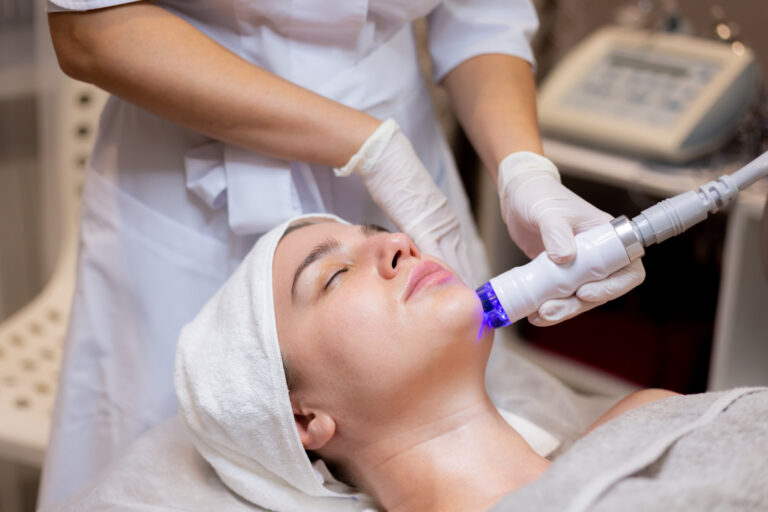
- Injection. Filler is placed with a fine needle or a blunt cannula, along or just beneath the fold. The appointment takes about 15–30 minutes.
- Shaping. The area may be gently massaged so the filler sits smoothly.
Results are visible right away and settle over about a week as any swelling goes down.
Swelling, bruising and aftercare
Mild swelling, redness, tenderness or bruising is common and usually settles within a few days. To help it settle:
- Avoid strenuous exercise for 24–48 hours
- Avoid alcohol for 24 hours, as it can increase bruising and swelling
- Use a cold compress gently if needed
- Don’t press or massage the area unless your provider tells you to
- Avoid sun exposure for the first day
Risks and safety
The FDA lists bruising, redness, swelling, pain and tenderness as the most common side effects, and most resolve in a few days to weeks. Less common risks include lumps, infection and allergic reaction.
The most serious risk is filler entering a blood vessel. It’s rare, but it can block blood flow, so it’s why the FDA recommends a licensed provider experienced in dermatology or plastic surgery. Seek immediate care if you notice unusual pain, vision changes, or skin near the injection site turning white, gray or blue.
Tell your provider if you have an active skin infection, a bleeding disorder, severe allergies or an allergy to lidocaine, or if you’re pregnant or breastfeeding.
How long does nasolabial fold filler last?
Hyaluronic acid fillers such as Juvederm and Restylane typically last about 6–12 months in the nasolabial folds; Radiesse lasts about 12–18 months. How long yours lasts depends on the product, how much is used and how quickly your body breaks it down. Many people book a top-up about once a year.
Combining filler with other treatments
Filler restores volume, but it doesn’t improve the skin’s surface. If the skin around the folds is crepey or sun-damaged, CO2 laser or other resurfacing can help, and Botox can soften expression lines elsewhere on the face.
Book a consultation
“The PA and physician were very thorough and attentive to my concerns.”
— Megon H., Trillium Clinic patient (read more reviews)
Dr. Weiss and the team will look at what’s causing your folds and recommend the filler, placement and amount that fit. Schedule a consultation online or call 919-710-8100. Consultations are available at all three Trillium offices: Chapel Hill, Smithfield and Burlington. See all dermal filler options.
Frequently asked questions
For mild to moderate folds, a hyaluronic acid filler such as Juvederm, Restylane or Belotero is usually best, because it looks natural and can be dissolved. Deeper folds may need a firmer filler such as Restylane Lyft or Radiesse, or added cheek support.
Hyaluronic acid fillers such as Restylane typically last about 6–12 months in the nasolabial folds, depending on the product and how quickly your body breaks it down.
Mild swelling usually settles within a few days, and the final result is clear after about a week.
Most people feel only mild discomfort. A numbing cream is often used, and many fillers contain lidocaine.
Hyaluronic acid filler can be dissolved with an enzyme called hyaluronidase. Radiesse can't be dissolved.
Avoid strenuous exercise for 24–48 hours, alcohol for 24 hours, and pressing or massaging the area unless your provider tells you to.
About Dr. Weiss
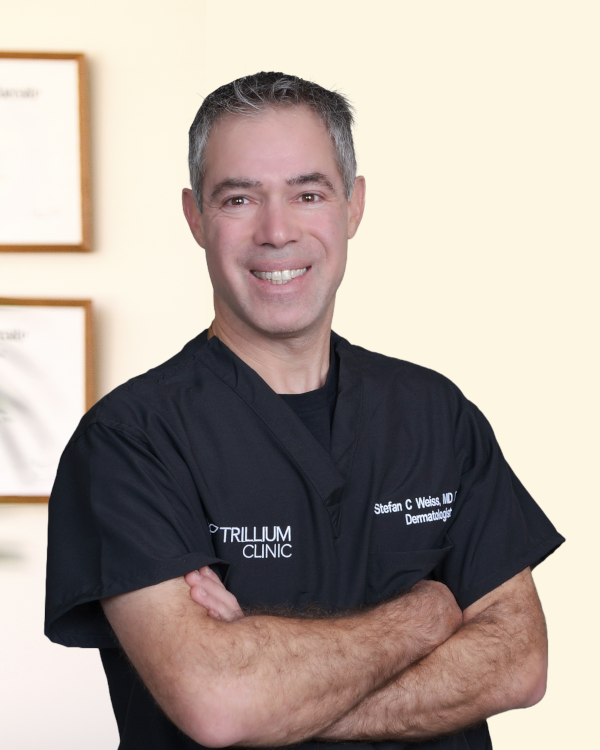
Stefan C. Weiss, MD, FAAD, is a board-certified dermatologist, the medical director of Trillium Clinic and an adjunct professor of dermatology at Brown University. He trained at Duke University School of Medicine and Stanford University Medical Center, has authored more than 100 peer-reviewed abstracts, posters and manuscripts, and has over two decades of experience in medical and cosmetic dermatology.
References
- U.S. Food and Drug Administration. Dermal Fillers (Soft Tissue Fillers).
- American Academy of Dermatology. Fillers: Overview.
- Trillium Clinic. Cosmetic Fillers.
This article is for general education and isn’t a substitute for personal medical advice. A board-certified dermatologist can tell you which treatment is right for you.