Understanding and Embracing Modern Solutions for a Youthful Smile
The gentle arc that flows from the side of your nose to the corner of your mouth is known as the nasolabial fold. Often called “smile lines” or “laugh lines,” these natural creases are a testament to a life filled with expressions. Yet, for many, as time passes and skin loses elasticity, these lines deepen and may become a source of self-consciousness.
In the age of advanced aesthetic treatments, dermal fillers have emerged as a leading non-surgical solution for softening nasolabial folds. But what exactly are nasolabial fold fillers? How do they work, and are they right for you? This comprehensive blog post explores the science behind nasolabial fold treatment, what to expect from the process, potential risks, and the path to embracing your appearance with confidence.
What Are Nasolabial Folds?
Nasolabial folds are the skin creases that run from each side of the nose to the corners of the mouth. While everyone has them, their depth and visibility can increase with age, genetics, sun exposure, and lifestyle factors. The loss of underlying fat, collagen, and elastin as we age causes the skin to sag and the folds to appear more pronounced.
Although nasolabial folds are completely normal, some individuals seek ways to diminish their appearance for a smoother, more rejuvenated look with nasolabial filler.
How Do Dermal Fillers Work?
Dermal fillers are gel-like substances injected beneath the skin to restore lost volume, smooth lines, and enhance facial contours. For nasolabial folds, nasolabial fold fillers are typically composed of hyaluronic acid (HA) – a naturally occurring substance in the skin that retains moisture and creates plumpness.
When injected into the nasolabial fold, HA nasolabial filler acts as a cushion, lifting and smoothing the skin from within. This instantly reduces the depth of the lines, creating a softer, more youthful facial silhouette. Beyond hyaluronic acid, other types of dermal fillers, such as calcium hydroxylapatite or poly-L-lactic acid, may be used, but HA remains the most popular due to its safety profile and reversibility.
The Filler Procedure: What to Expect
If you’re considering filler for nasolabial folds, here’s what the process typically involves:
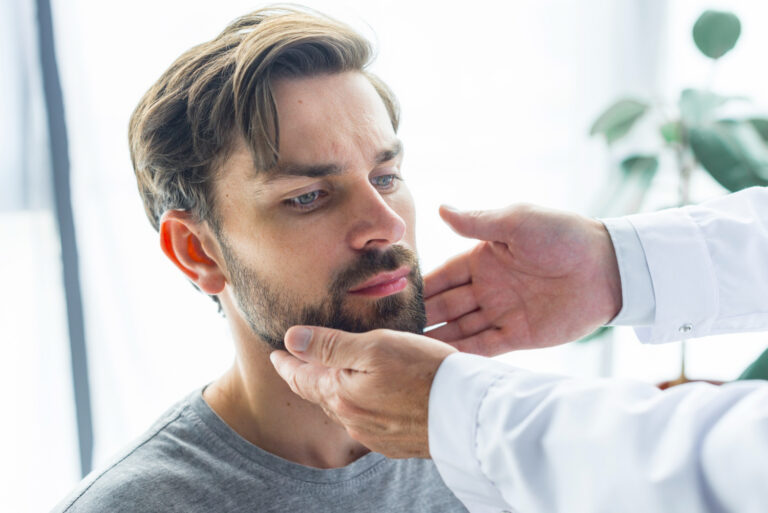
- Consultation: Your journey begins with a thorough assessment by a qualified practitioner. They will evaluate your facial anatomy, discuss your goals, and determine whether nasolabial fold treatment with dermal fillers is appropriate for you.
- Preparation: On the day of the procedure, the area will be cleansed, and a topical numbing cream may be applied to enhance comfort. Many nasolabial fold fillers also contain lidocaine, a local anesthetic, to further minimize discomfort during injection.
- Injection: Using a fine needle or cannula, the practitioner will carefully inject the filler along the nasolabial folds, gradually building up volume to achieve a natural result. The entire procedure typically takes 15–30 minutes.
- Post-Treatment: You may experience mild swelling, redness, or tenderness at the injection sites. These effects usually resolve within a few days. Most people return to their daily activities immediately after nasolabial fold treatment.
Results and Longevity
Dermal fillers offer a range of advantages for those seeking to address nasolabial folds:
- Non-surgical: Fillers require no incisions, general anesthesia, or significant downtime.
- Customizable: Nasolabial fold treatments are tailored to your unique facial structure and desired level of correction.
- Reversible: In the case of hyaluronic acid fillers, an enzyme called hyaluronidase can dissolve the filler if adjustments or reversal are necessary.
- Natural-looking results: When performed by an experienced practitioner, nasolabial fold fillers can blend seamlessly with your features.
- Boosts confidence: A refreshed appearance often brings a renewed sense of self-assurance.
Risks and Considerations
While dermal fillers are generally safe, especially when administered by skilled professionals, it’s important to be aware of potential risks:
- Bruising, redness, swelling, or tenderness at the injection site
- Asymmetry or lumps (which can often be massaged out or dissolved)
- Allergic reactions (rare, especially with HA nasolabial filler)
- Infection (very rare with proper technique and hygiene)
- Vascular complications (very rare but serious; highlights the importance of choosing a qualified injector)
Always disclose your full medical history, allergies, and medication use to your provider. Certain conditions such as active skin infections, autoimmune disorders, or pregnancy, may contraindicate filler use.
Choosing the Right Practitioner
The artistry and expertise of your injector play a crucial role in achieving safe, beautiful results. Look for:
- Medical credentials and relevant certifications
- Extensive experience with facial fillers
- A portfolio of before-and-after photos
- Positive client testimonials
- A collaborative, communicative approach
Don’t hesitate to ask questions about the practitioner’s experience, the types of fillers used, and what you can expect from the procedure.
Aftercare Tips for Optimal Results
Caring for your skin after filler nasolabial filler injections can enhance comfort and help maintain your results:
- Avoid strenuous exercise, sun exposure, and alcohol for 24 hours post-treatment
- Apply a cold pack to reduce swelling or bruising
- Refrain from touching or massaging the treated area unless instructed by your provider
- Follow all aftercare instructions given during your appointment
Final Thoughts: Embracing Your Best Self
Fillers for nasolabial folds can be a game-changer for those seeking a non-surgical, customizable path to a rejuvenated appearance. While they can provide immediate and impactful improvements, the real beauty lies in the confidence and ease that comes from feeling good in your own skin.
Ultimately, the decision to pursue nasolabial fold treatment is deeply personal. Whether you choose to embrace your smile lines or smooth them away, remember that your uniqueness is your greatest asset. Schedule an appointment with a trusted and skilled professional, set realistic expectations, and allow yourself to age with grace – on your own terms.