A Dermatologist's Complete Guide to CO2 Laser Under Eye Treatment for Wrinkles, Crepey Skin, and Long-Term Rejuvenation
Key Takeaways
- CO2 laser stimulates long-term collagen production beneath the skin.
- It is one of the most effective treatments for under-eye wrinkles and crepey skin.
- Recovery usually lasts 7–10 days, with collagen continuing to rebuild for months.
- Not every under-eye concern is best treated with laser alone.
- A dermatologist can determine whether laser, fillers, or another treatment is right for you.
Introduction
If you’ve started noticing fine lines beneath your eyes, crepey skin that makeup seems to highlight, or wrinkles that make you look more tired than you feel, you’ve probably searched for how to reduce under eye wrinkles or the best treatment for eye wrinkles. Among the many options available today, CO2 laser treatment under eyes remains one of the most effective dermatologist-performed procedures for improving skin texture, stimulating collagen production, and restoring a smoother, more youthful appearance.
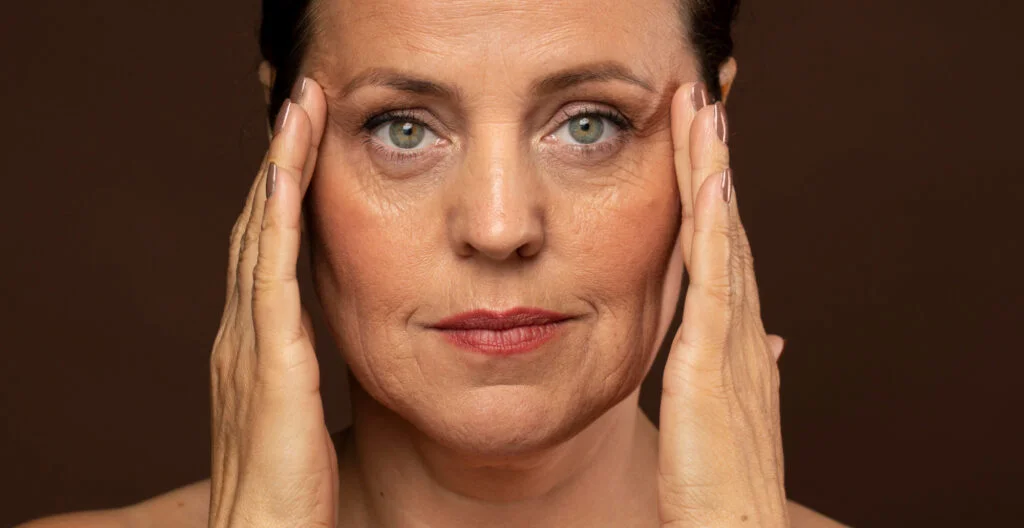
The under-eye area is one of the first places to show visible signs of aging. Unlike the skin on your cheeks or forehead, the lower eyelids contain very little fat and are naturally thinner, making them especially vulnerable to years of sun exposure, collagen loss, and repeated facial expressions. Over time, this leads to wrinkles, fine lines, crepey skin, and skin laxity that topical skincare products often cannot fully address.
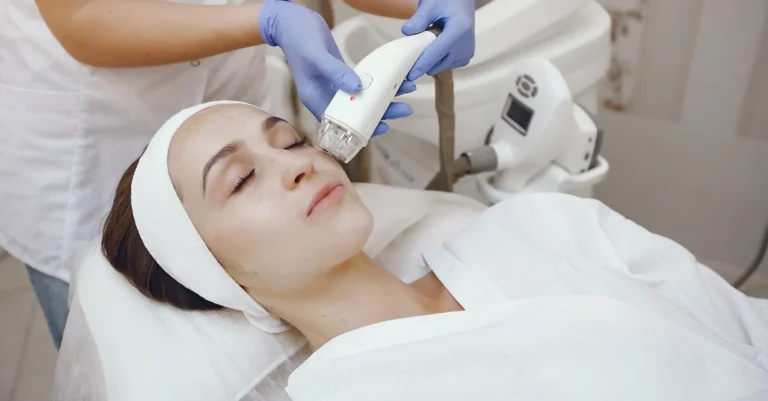
A CO2 laser under eye treatment works differently from creams or injectable treatments. Rather than simply hydrating the skin or temporarily relaxing muscles, it creates controlled microscopic treatment zones that activate your body’s natural healing response. As new collagen and elastin develop over the following months, the skin gradually becomes firmer, smoother, and more resilient.
However, it’s equally important to understand what this treatment cannot do.
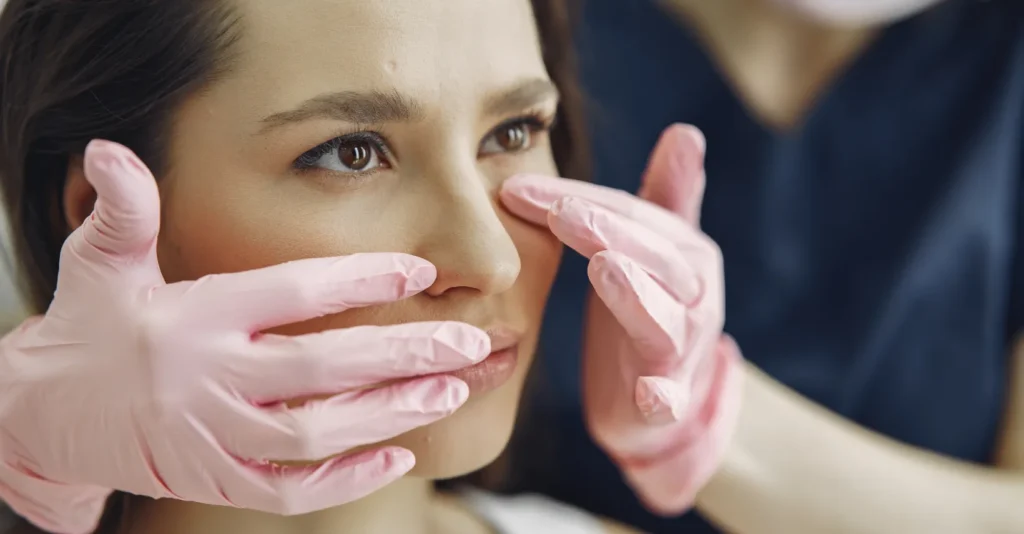
One of the biggest misconceptions we see is that CO2 laser treatment under the eyes is a universal solution for every under-eye concern. While it can significantly improve wrinkles, texture, mild skin laxity, and certain pigment-related concerns, it does not replace treatments designed to restore lost volume or remove prominent fat pads beneath the eyes. Choosing the right procedure begins with identifying what’s actually causing your concerns.
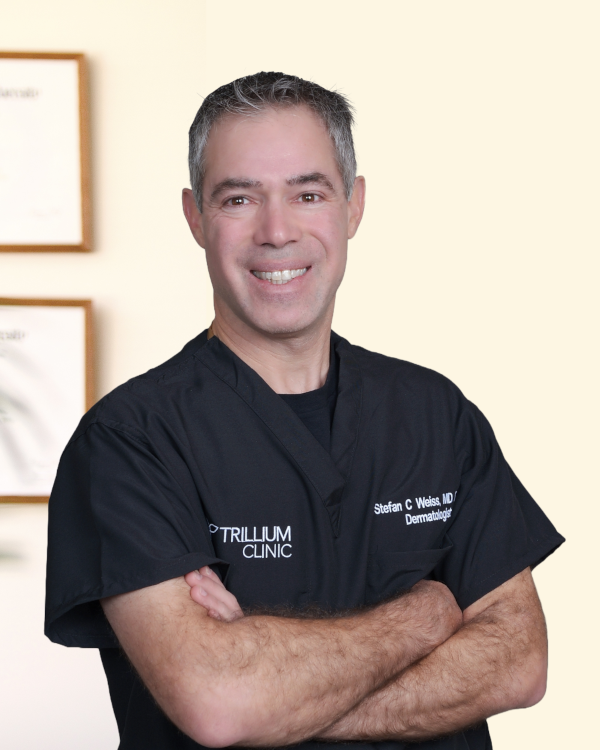
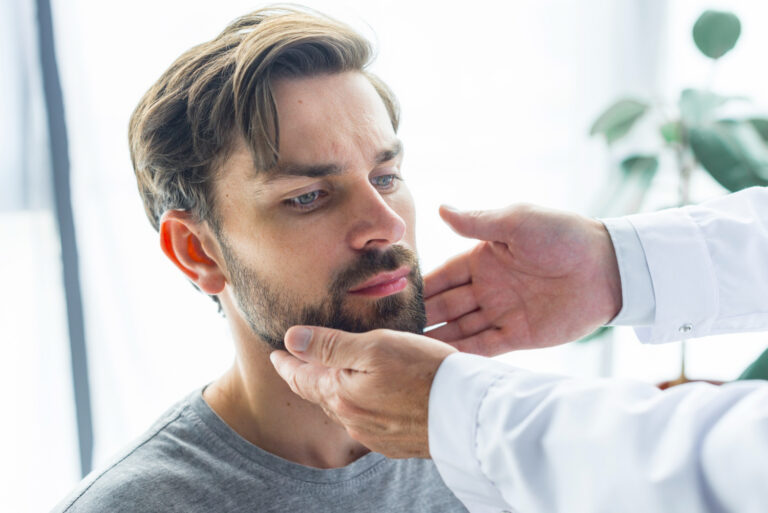
That is why every treatment at Trillium Dermatology begins with a comprehensive consultation. Before recommending any laser procedure, Dr. Stefan Weiss evaluates the quality of your skin, the degree of collagen loss, pigmentation, volume changes, and your long-term aesthetic goals. In many cases, CO2 laser for under eye wrinkles delivers outstanding results on its own. In others, the best outcome may come from combining laser resurfacing with complementary treatments such as neuromodulators, dermal fillers, or medical-grade skincare.
If you’re searching for CO2 laser treatment near Chapel Hill or under eye laser treatment in Chapel Hill, understanding how the procedure works and whether you’re an ideal candidate is the first step toward achieving natural-looking, long-lasting results.
At a Glance
Concern | CO2 Laser Can Help? |
Fine wrinkles | ✅ Excellent |
Crepey skin | ✅ Excellent |
Sun damage | ✅ Excellent |
Mild laxity | ✅ Good |
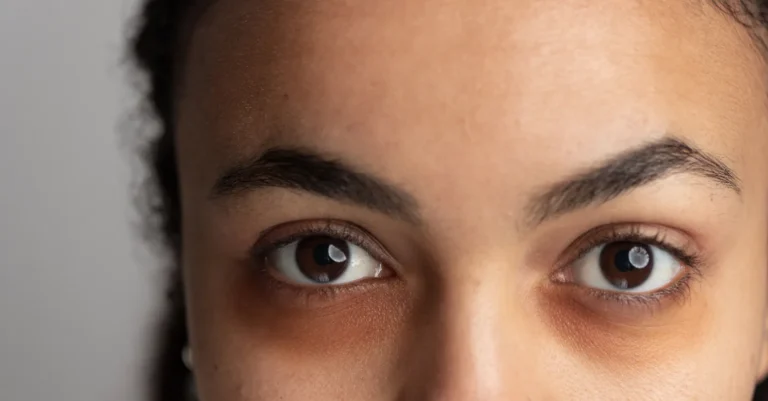
Dark circles | ⚠ Depends |
Eye bags | ❌ Usually No |
Tear troughs | ❌ Fillers Better |
Does CO2 Laser Treatment Under Eyes Really Work?
The short answer is yes, but only when it’s recommended for the right reasons.
Fractional CO2 laser treatment under eyes has become one of the most trusted procedures in cosmetic dermatology because it targets one of the primary causes of visible aging: collagen loss.
Beginning in our late twenties, collagen production gradually declines every year. As the supportive framework beneath the skin weakens, the delicate under-eye area begins to develop fine lines, wrinkles, crepey texture, and mild laxity. Sun exposure accelerates this process even further by breaking down collagen fibers and reducing the skin’s ability to repair itself.
Unlike topical skincare products that primarily work on the surface, CO2 laser under eye treatment reaches deeper layers of the skin, where collagen remodeling occurs. During treatment, thousands of microscopic laser columns are created while leaving surrounding tissue intact. These untreated areas help speed healing, while the controlled thermal energy stimulates fibroblasts to produce new collagen over the weeks and months that follow.
The result isn’t an artificial or “overdone” appearance. Instead, patients typically notice that the skin gradually looks firmer, smoother, and healthier, with wrinkles becoming softer rather than simply disappearing overnight.
One of the reasons dermatologists continue to recommend fractional CO2 laser resurfacing is that the improvements continue long after the initial recovery period. While redness usually resolves within several weeks, collagen remodeling may continue for three to six months, allowing results to become progressively more noticeable over time.
Dr. Stefan Weiss's Clinical Perspective
One of the most common misconceptions patients have is expecting immediate transformation after laser treatment. While the skin often looks brighter once healing is complete, the most meaningful improvements occur gradually as collagen rebuilds beneath the surface.
Patients are frequently surprised that their skin continues improving for several months after treatment. That’s exactly what we want to see; the goal isn’t temporary swelling that makes the skin look tighter, but genuine collagen remodeling that creates healthier, stronger skin over time.
What Can CO2 Laser Treatment Under Eyes Improve?
One of the reasons CO2 laser treatment under eyes remains a cornerstone of facial rejuvenation is that it addresses multiple signs of aging during a single procedure.
Patients often experience improvement in:
- Fine lines and under-eye wrinkles
- Crepey or thinning lower eyelid skin
- Mild skin laxity beneath the eyes
- Sun-damaged skin texture
- Uneven skin tone caused by photoaging
- Mild pigmentation concerns
- Overall skin quality and smoothness
- Early signs of aging around the lower eyelids
For patients primarily concerned about how to reduce under eye wrinkles, fractional CO2 laser resurfacing is often considered one of the most effective non-surgical options because it treats the underlying structural changes within the skin rather than simply masking them.
But CO2 Laser Isn't the Best Treatment for Everything
Understanding the limitations of laser treatment is just as important as understanding its benefits.
A CO2 laser under eye treatment may not be the best option if your primary concern is:
- Hollow tear troughs caused by volume loss
- Prominent under-eye fat pads (“eye bags”)
- Dark circles caused by visible blood vessels
- Significant eyelid laxity requiring surgery
- Excess upper or lower eyelid skin
In these situations, Dr. Weiss may recommend dermal fillers, blepharoplasty, vascular laser treatment, or a customized combination approach rather than laser resurfacing alone.
The best outcomes come from matching the right treatment to the underlying cause, not applying the same procedure to every patient.
Who Is an Ideal Candidate for CO2 Laser Treatment Under Eyes?
One of the most common questions patients ask is whether they’re a good candidate for CO2 laser treatment under eyes. The answer depends less on your age and more on the condition of your skin.
In general, the best candidates are individuals beginning to notice early or moderate signs of aging around the eyes, particularly those who want noticeable improvement without undergoing surgery.
You may be an excellent candidate if you have:
- Fine lines or wrinkles beneath the eyes
- Crepey or thinning lower eyelid skin
- Mild to moderate skin laxity
- Sun-damaged skin or uneven texture
- Early collagen loss around the eyes
- Good overall health and realistic expectations
- A willingness to follow post-treatment care instructions
Many patients begin considering CO2 laser for under eye wrinkles in their late 30s to early 60s, although there is no ideal age. What matters most is whether the skin still has the capacity to remodel collagen effectively.
Patients who protect their skin from sun exposure, maintain a healthy skincare routine, and avoid smoking often experience the most predictable healing and longest-lasting results.
Who May Not Be a Good Candidate?
Just as important as knowing who benefits from laser treatment is understanding when another approach may be safer or more effective.
CO2 laser treatment under eyes may not be recommended if you:
- Have an active skin infection near the treatment area
- Are currently taking isotretinoin (or have recently completed treatment, depending on your dermatologist’s recommendations)
- Have poorly controlled diabetes or conditions that impair wound healing
- Are prone to keloid or hypertrophic scarring
- Have recently developed a significant tan or experienced sunburn
- Are pregnant or breastfeeding (depending on your physician’s recommendations)
- Have certain inflammatory skin conditions affecting the treatment area
Patients with darker skin tones may still be candidates, but treatment requires careful evaluation. Because fractional CO2 lasers create controlled thermal injury, individuals with higher Fitzpatrick skin types may have an increased risk of post-inflammatory hyperpigmentation if the treatment settings are not carefully selected.
This is why consultation with an experienced cosmetic dermatologist is so important. Rather than applying the same settings to every patient, Dr. Stefan Weiss develops an individualized treatment plan based on your skin type, medical history, healing characteristics, and aesthetic goals.
Dr. Stefan Weiss's Clinical Perspective
One of the biggest mistakes patients make is assuming that the strongest treatment is automatically the best treatment.
In reality, successful facial rejuvenation is about selecting the right procedure for the right concern. Sometimes fractional CO2 laser is the ideal solution. Other times, a less aggressive resurfacing treatment, or even dermal fillers or eyelid surgery, will produce a better, more natural-looking outcome.
The consultation is where those decisions are made.
What Happens During CO2 Laser Under Eye Treatment?
One reason patients often postpone laser resurfacing is simply that they don’t know what the procedure involves.
In reality, CO2 laser under eye treatment is a carefully planned outpatient procedure performed in a controlled medical setting. Most appointments take between 45 and 90 minutes, depending on whether the laser is being used only around the eyes or as part of a full-face resurfacing treatment.
Although every treatment plan is personalized, the process generally follows these steps.
Step 1: Comprehensive Skin Assessment
Before treatment begins, your dermatologist carefully evaluates:
- Skin thickness
- Wrinkle depth
- Skin laxity
- Pigmentation concerns
- Previous cosmetic procedures
- Medical history
- Healing tendencies
- Current skincare routine
This assessment helps determine whether fractional CO2 laser is the most appropriate option or whether another treatment may better address your concerns.
Step 2: Preparing the Skin
The treatment area is thoroughly cleansed before a topical anesthetic cream is applied to maximize comfort.
Depending on the extent of treatment, additional local anesthesia or nerve blocks may also be used. Most patients report feeling pressure and warmth rather than significant pain during the procedure.
Step 3: Laser Treatment
During the procedure, the fractional CO2 laser delivers thousands of microscopic columns of laser energy into the skin.
These tiny treatment zones stimulate collagen remodeling while leaving surrounding tissue intact, allowing healing to occur much more efficiently than with older fully ablative laser technologies.
The under-eye area itself is usually treated in 10 to 20 minutes, although treatment time varies depending on the size of the area and whether additional facial regions are included.
Protective metal eye shields are used whenever necessary to ensure the eyes remain completely protected throughout the procedure.
Step 4: Immediate Post-Treatment Care
Immediately after treatment, the skin typically appears:
- Red
- Warm
- Slightly swollen
Many patients compare the sensation to a moderate sunburn.
Cooling measures and specialized post-procedure skincare products are applied before you leave the clinic. Your dermatologist will also provide detailed instructions covering cleansing, moisturizing, sun protection, and activities to avoid during the initial healing period.
Does CO2 Laser Treatment Hurt?
This is often the first question patients ask, and understandably so.
The good news is that CO2 laser treatment under the eyes is generally much more comfortable than most people expect.
Thanks to modern fractional laser technology, topical anesthetics, and advanced cooling techniques, most patients describe the treatment as a series of brief warm snaps or tingling sensations rather than severe pain.
Discomfort levels vary depending on:
- The intensity of treatment
- Individual pain tolerance
- The area being treated
- Whether additional facial regions are included
The first few hours after treatment are often described as feeling similar to a sunburn. This sensation usually improves significantly within 24 to 48 hours.
Dr. Stefan Weiss's Clinical Perspective
One concern I hear frequently is, “I’ve seen recovery photos online, will I really look like that?”
The reality is that recovery varies considerably depending on the treatment intensity. Some patients experience only a few days of redness, while deeper resurfacing treatments involve more noticeable swelling and peeling during the first week.
What’s important is understanding that these temporary changes are a normal part of the healing process, not a sign that something has gone wrong.
CO2 Laser Treatment Under Eyes Recovery Timeline: What to Expect Day by Day
One of the biggest advantages of knowing what to expect after CO2 laser treatment under eyes is peace of mind. Many patients are surprised by how the healing process unfolds, not because something is wrong, but because the skin often looks worse before it looks dramatically better.
This is completely normal.
Every patient’s recovery is slightly different depending on treatment intensity, skin type, age, and how closely post-treatment instructions are followed. However, most people experience a similar healing timeline.

Day 1 – Redness, Warmth, and Swelling Begin
Immediately after your CO2 laser under eye treatment, the skin will usually feel similar to a moderate sunburn.
It is common to notice:
- Redness
- Mild burning or warmth
- Tightness
- Swelling beneath the eyes
- A sensation of dry skin
Because the lower eyelids contain loose tissue, swelling around the eyes is often more noticeable than in other facial areas. This is expected and does not usually indicate a problem.
Your dermatologist will recommend keeping the treated area clean, well moisturized, and protected while avoiding unnecessary touching or rubbing.
Days 2–3 – Swelling Often Peaks
This is the stage that surprises many patients.
Swelling typically reaches its maximum during the second or third day after treatment, particularly when both lower eyelids are treated.
You may also notice:
- Puffy eyelids
- Increased redness
- Skin beginning to bronze
- Tiny pinpoint crusts
- A rough or sandpaper-like texture
Although the appearance may seem alarming, these changes are actually signs that the skin is progressing through its normal healing response.
Keeping your head elevated while sleeping and following your post-treatment instructions can help minimize swelling.
Days 4–7 – Peeling Begins
During this stage, the outer layer of treated skin gradually sheds.
Patients often describe the skin as feeling:
- Dry
- Tight
- Flaky
- Rough
It is extremely important not to pick, peel, or scrub the skin.
Allowing the treated tissue to separate naturally reduces the risk of irritation, infection, unwanted pigmentation changes, and unnecessary scarring.
Gentle cleansing and frequent moisturizing become especially important during this phase.
Week Two – You Start Seeing the "New Skin"
By the second week, most peeling has resolved.
The new skin underneath typically appears:
- Pink
- Smoother
- Softer
- More even in texture
Many patients feel comfortable returning to work and most social activities during this stage, although some residual redness may still be present.
If approved by your dermatologist, makeup can usually be worn once the skin has completely re-epithelialized.
Weeks Four to Eight – Collagen Remodeling Begins
Although your skin may already look healthier, the most important changes are now occurring beneath the surface.
Fibroblasts continue producing new collagen and elastin, gradually improving:
- Fine lines
- Crepey skin
- Skin firmness
- Overall texture
- Skin elasticity
This is why CO2 laser treatment under eyes continues delivering visible improvement long after the initial healing period has ended.
Three to Six Months – Your Final Results Continue to Develop
One of the biggest misconceptions about laser resurfacing is that results are immediate.
In reality, collagen remodeling is a gradual biological process.
Most patients continue noticing improvements for several months after treatment as the skin becomes:
- Firmer
- Smoother
- Better supported
- More evenly textured
For many individuals, this is when the greatest reduction in under eye wrinkles becomes apparent.
How to Speed Up Healing After CO2 Laser Treatment

While your body’s healing process cannot be rushed, proper aftercare plays a major role in achieving the best possible results from CO2 laser treatment under the eyes.
To support optimal healing, your dermatologist may recommend:
- Keeping the treated skin continuously moisturized with physician-approved ointments
- Using only gentle, fragrance-free cleansers
- Avoiding exfoliating acids, retinoids, and scrubs until your skin has completely healed
- Applying a broad-spectrum SPF 30 or higher every day once cleared to do so
- Wearing sunglasses and wide-brimmed hats when outdoors
- Staying well hydrated
- Avoiding smoking, which slows collagen production and wound healing
- Following every post-procedure instruction provided by your dermatologist
Patients who are diligent with aftercare often experience smoother healing and better long-term cosmetic outcomes.
What Is Normal During Recovery, and When Should You Call Your Dermatologist?
Knowing what’s normal can help reduce unnecessary anxiety after CO2 laser treatment under the eyes.
Normal healing signs include:
- Mild swelling
- Redness
- Tightness
- Dryness
- Peeling
- Itching
- Temporary sensitivity
These symptoms usually improve steadily during the first one to two weeks.
However, contact your dermatologist promptly if you experience:
- Increasing pain instead of gradual improvement
- Yellow drainage or pus
- Fever
- Rapidly spreading redness
- Significant bleeding
- Blistering that worsens
- Sudden vision changes
- Severe swelling that continues worsening after several days
Although complications following fractional CO2 laser resurfacing are uncommon, early evaluation helps ensure the best outcome whenever concerns arise.
Dr. Stefan Weiss's Clinical Perspective
One of the biggest mistakes I see isn’t during the procedure; it’s during recovery.
Patients often feel great after several days and assume the skin has fully healed. They restart retinoids too early, spend time in the sun, or stop using sunscreen because the redness has improved.
The skin may look healed on the surface, but collagen remodeling continues for months. Protecting the skin during this period is one of the most important factors in achieving the best long-term result.
CO2 Laser Before and After: What Results Can You Realistically Expect?
One of the first things patients search for before scheduling a consultation is CO2 laser before and after photos. While images can be helpful, it’s equally important to understand what kind of improvement is realistic based on your skin and the concerns being treated.
For most patients, CO2 laser treatment under the eyes delivers gradual, natural-looking improvement rather than an overnight transformation. Because the treatment stimulates your body’s own collagen production, the skin continues to improve for several months after the procedure.
Patients commonly notice:
- Softer fine lines and under-eye wrinkles
- Firmer, smoother lower eyelid skin
- Improved skin texture
- Reduction in crepey appearance
- Better overall skin quality
- A more refreshed, well-rested appearance
The degree of improvement depends on several factors, including your age, skin quality, sun damage, smoking history, genetics, and how closely you follow post-treatment care.
Many patients achieve meaningful improvement with a single treatment, while others with more advanced photoaging or deeper wrinkles may benefit from additional sessions spaced several months apart.
One of the greatest advantages of fractional CO2 laser resurfacing is that the results often look natural. Friends and family may notice that you look more refreshed without being able to identify exactly why.
Dr. Stefan Weiss's Clinical Perspective
One of the biggest misconceptions is expecting perfectly smooth skin after a single laser session.
The goal isn’t to erase every wrinkle. It’s to improve skin quality, rebuild collagen, and create a healthier, more youthful-looking under-eye area while preserving natural facial expression.
Patients are usually happiest when they understand that improvement, not perfection, is the objective.
CO2 Laser vs. Dermal Fillers: Which Is Better for Under-Eye Rejuvenation?
This is one of the most common questions discussed during cosmetic consultations.
The truth is that CO2 laser treatment and dermal fillers address completely different causes of under-eye aging.
CO2 laser is best for improving:
- Fine lines
- Wrinkles
- Crepey skin
- Sun damage
- Skin texture
- Mild skin laxity
- Collagen loss
Dermal fillers are better suited for:
- Hollow tear troughs
- Volume loss
- Shadowing beneath the eyes
- Certain types of dark circles
Patients often assume wrinkles automatically require filler. In reality, adding volume to thin, crepey skin without improving skin quality may not produce the desired result.
Likewise, laser resurfacing cannot replace lost facial volume.
For some individuals, combining both treatments produces the most natural and comprehensive rejuvenation.
CO2 Laser vs. RF Microneedling
Patients researching the best treatment for eye wrinkles frequently compare fractional CO2 laser with radiofrequency (RF) microneedling.
Both procedures stimulate collagen production, but they do so in different ways.
CO2 Laser
Best for:
- Moderate to advanced wrinkles
- Crepey skin
- Sun damage
- Skin resurfacing
- Texture improvement
Advantages:
- Greater resurfacing capability
- More noticeable wrinkle reduction
- Significant collagen remodeling
- Excellent improvement in photoaged skin
Considerations:
- More downtime
- Higher initial redness
- Longer recovery
RF Microneedling
Best for:
- Mild skin laxity
- Early collagen loss
- Preventative treatments
- Patients wanting less downtime
Advantages:
- Faster recovery
- Less surface disruption
- Safe for a broader range of skin tones
- Minimal social downtime
Considerations:
- More gradual improvement
- Multiple sessions are usually required
- Less effective for deeper wrinkles and advanced sun damage
Rather than asking which treatment is “better,” the more useful question is which treatment is better for your skin.
CO2 Laser vs. Blepharoplasty (Eyelid Surgery)
Patients often wonder whether laser resurfacing can replace eyelid surgery.
Sometimes it can.
Often it cannot.
A CO2 laser under eye treatment improves the quality of the skin itself.
Blepharoplasty addresses excess skin and protruding fat pads.
CO2 Laser can improve:
- Fine wrinkles
- Crepey skin
- Mild laxity
- Skin texture
- Early aging
Blepharoplasty treats:
- Excess lower eyelid skin
- Prominent eye bags
- Significant skin redundancy
- Advanced eyelid aging
For patients with mild to moderate aging changes, laser resurfacing may provide excellent improvement without surgery.
For individuals with substantial skin excess or prominent fat pads, eyelid surgery often provides a more appropriate solution.
In some cases, both procedures are combined to achieve the best functional and cosmetic outcome.
Can CO2 Laser Be Combined with Other Cosmetic Treatments?
Absolutely.
One of the reasons CO2 laser treatment under eyes remains such a versatile option is that it can often be incorporated into a broader facial rejuvenation plan.
Depending on your concerns, your dermatologist may recommend combining laser resurfacing with treatments such as:
- Neuromodulators (such as Botox®) to soften dynamic wrinkles
- Dermal fillers to restore lost volume
- Medical-grade skincare to maintain collagen health
- Chemical peels for additional skin rejuvenation
- Microneedling for ongoing collagen stimulation
- IPL or vascular lasers to address redness and visible blood vessels
A customized treatment plan often produces more balanced, natural-looking results than relying on any single procedure alone.
Dr. Stefan Weiss's Clinical Perspective
One of the biggest advantages of modern cosmetic dermatology is that we no longer think in terms of one treatment solving every concern.
A patient may have wrinkles, volume loss, pigmentation, and redness at the same time. Treating only one of those issues rarely creates the most satisfying result.
The best outcomes come from understanding which concern bothers the patient most and selecting the right combination of treatments to address it safely and naturally.
Choosing the Right Provider for CO2 Laser Treatment Under Eyes
Not all laser treatments, and not all laser providers, are the same.
Although CO2 laser treatment under eyes is a well-established procedure, achieving excellent results depends on much more than simply owning a laser. The physician’s understanding of facial anatomy, skin healing, laser settings, and patient selection all influence both safety and the final cosmetic outcome.
The under-eye area contains some of the thinnest and most delicate skin on the body. Treating it requires careful judgment to improve wrinkles and skin texture while preserving the natural contours of the lower eyelids.
When considering under eye laser treatment in Chapel Hill, look for a board-certified dermatologist who:
- Performs laser procedures regularly
- Has experience treating the delicate eye area
- Offers multiple resurfacing technologies; not just one device
- Creates individualized treatment plans rather than one-size-fits-all protocols
- Provides comprehensive aftercare and long-term follow-up
An experienced dermatologist will also explain when laser resurfacing isn’t the best option. If volume loss, prominent eye bags, or significant eyelid laxity are your primary concerns, another procedure, or a combination of treatments, may provide a better result.
That’s the value of an expert consultation.
Why Patients Choose Trillium Dermatology
At Trillium Dermatology, every cosmetic consultation begins with a simple philosophy:
Treat the patient, not just the wrinkle.
Dr. Stefan Weiss takes time to understand what concerns patients most before recommending treatment. Rather than automatically suggesting the newest technology, he evaluates the underlying cause of aging around the eyes, whether that involves collagen loss, skin laxity, pigmentation, volume changes, or a combination of factors.
For many patients seeking CO2 laser treatment near Chapel Hill, this personalized approach leads to more natural-looking and longer-lasting results.
Treatment plans may include:
- Fractional CO2 laser resurfacing
- Medical-grade skincare
- Neuromodulators such as Botox®
- Dermal fillers
- Microneedling
- Combination rejuvenation strategies tailored to your goals
Every recommendation is based on your skin, your anatomy, your lifestyle, and your expectations, not a standardized protocol.
From your initial consultation through recovery and follow-up, our team is committed to helping you feel informed, comfortable, and confident throughout the entire process.
The Bottom Line
If you’re looking for a non-surgical way to improve under-eye wrinkles, crepey skin, and early signs of aging, CO2 laser treatment under eyes remains one of the most effective procedures available today.
By stimulating your body’s natural collagen production, fractional CO2 laser resurfacing can noticeably improve skin texture, soften fine lines, and create firmer, healthier-looking skin with results that continue developing for months after treatment.
At the same time, successful rejuvenation begins with choosing the right treatment for the right concern. Some patients benefit most from laser resurfacing alone, while others achieve the best outcome through a personalized combination of treatments.
The first step is an expert evaluation.
If you’re considering CO2 laser treatment near Chapel Hill or would like to learn whether you’re a candidate for CO2 laser under eye treatment, schedule a consultation with Dr. Stefan Weiss and the experienced team at Trillium Dermatology. We’ll help you understand your options and create a treatment plan designed specifically for your skin, your goals, and your long-term results.
Frequently Asked Questions About CO2 Laser Treatment Under Eyes
For the right candidate, yes. CO2 laser treatment under the eyes is one of the most effective non-surgical options for improving fine lines, crepey skin, sun damage, and mild skin laxity. Results develop gradually as new collagen forms, creating natural-looking improvement that can last for years with proper skincare and sun protection.
Most patients experience redness, swelling, and peeling during the first 7 to 10 days. While the skin usually looks significantly better within two weeks, collagen remodeling continues for three to six months, allowing results to improve over time.
It depends on what's causing them. CO2 laser under eye treatment can improve dark circles related to sun damage, crepey skin, or mild pigmentation. However, dark circles caused by hollow tear troughs, visible blood vessels, or prominent fat pads often require different treatments such as fillers or vascular lasers.
Most patients describe the procedure as feeling like brief warm snaps or a mild stinging sensation. A topical anesthetic, and sometimes additional local anesthesia, is used to maximize comfort during treatment. Afterward, the skin often feels similar to a sunburn for the first day or two.
Many patients achieve noticeable improvement after a single treatment. Individuals with more advanced wrinkles, significant sun damage, or extensive skin laxity may benefit from additional sessions based on their goals and their dermatologist's recommendations.
They treat different concerns. CO2 laser for under eye wrinkles improves skin quality, fine lines, and collagen loss, while dermal fillers restore lost volume and improve hollow tear troughs. During your consultation, your dermatologist will recommend the treatment, or combination of treatments, that best matches your concerns.
Patients with active skin infections, recent significant sun exposure, certain medical conditions that impair healing, or those taking specific medications may need to postpone treatment. A consultation with a board-certified dermatologist is the best way to determine whether laser resurfacing is appropriate for your skin.
The collagen produced after treatment can provide improvement for several years. However, natural aging and ongoing sun exposure continue over time. Daily sunscreen, medical-grade skincare, and healthy lifestyle habits help maintain results for as long as possible.
Disclaimer: This article is intended for educational purposes only and should not replace personalized medical advice. A consultation with a board-certified dermatologist is the best way to determine whether CO2 laser treatment is appropriate for your skin.