How Vascular Lasers for Rosacea is Transforming Rosacea Management
Vascular lasers for rosacea have transformed how dermatologists manage persistent redness and visible blood vessels associated with this chronic condition. Rosacea is a chronic skin condition characterized by persistent redness, visible blood vessels, and, in some cases, acne-like breakouts. Patients not only struggle with the physical manifestations of rosacea but also with the emotional impact it can have on confidence and daily life. Over the past decade, advances in laser technology, particularly vascular laser therapy, have revolutionized rosacea treatment, offering patients safer, more effective options for managing their symptoms.
Understanding Rosacea
Rosacea is a common inflammatory skin disorder that most frequently affects adults between the ages of 30 and 60. Symptoms include facial flushing, persistent erythema (redness), telangiectasia (visible blood vessels), papules, and pustules. Although the exact cause remains unclear, triggers such as sun exposure, stress, spicy foods, and alcohol can exacerbate flare-ups. The condition is not only physically uncomfortable but also socially and psychologically distressing for many patients, often prompting them to seek advanced rosacea treatment options.
Traditional Rosacea Treatments and Their Limitations
Treatment for rosacea typically begins with lifestyle modifications and topical therapies. Prescription creams and gels can reduce inflammation and control breakouts, while oral antibiotics may be used for more severe cases. However, these interventions often provide only partial relief, especially for persistent redness and visible vessels. Patients seeking a more noticeable improvement often turn to procedural interventions, with vascular laser treatment emerging as a front-line technology for targeting the vascular components of rosacea.
What Are Vascular Lasers?
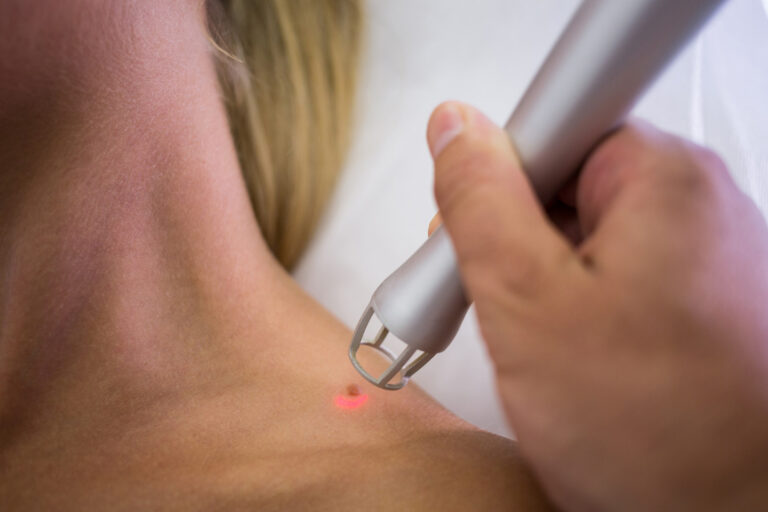
Vascular lasers are a class of medical devices that emit light at specific wavelengths absorbed by hemoglobin – the pigment within blood vessels. This targeted energy causes the vessel to heat and collapse, effectively reducing redness and visible veins without damaging surrounding tissue. The two most commonly used vascular lasers for rosacea are the pulsed dye laser (PDL) and the neodymium-doped yttrium aluminum garnet (Nd:YAG) laser.
- Pulsed Dye Laser (PDL): Typically emits light at 585–595 nm, ideal for superficial blood vessels and diffuse redness.
- Nd:YAG Laser: Emits light at 1064 nm, penetrating deeper into the skin and targeting larger, deeper vessels.
How Vascular Lasers Treat Rosacea
The principle behind vascular lasers is selective photothermolysis: the laser’s wavelength is selectively absorbed by blood vessels, sparing surrounding tissue. When treating rosacea, the laser’s energy is delivered in pulses, allowing heat to build up in the vessel wall and causing it to shrink and eventually be reabsorbed by the body. Over a series of treatments, patients notice a marked reduction in redness, flushing, and visible telangiectasia – key vascular laser therapy benefits for long-term symptom control.
Benefits of Vascular Laser Therapy
- Precision: Vascular laser therapy targets only the affected vessels, minimizing collateral damage and downtime.
- Effectiveness: Multiple studies have demonstrated significant improvement in redness and vessel visibility after several sessions of vascular laser treatment.
- Safety: When performed by a trained dermatologist, vascular laser therapy has a favorable safety profile, with minimal risk of scarring or pigmentation changes.
- Long-lasting Results: Many patients experience months to years of reduced symptoms, especially when maintaining trigger avoidance – one of the most important vascular laser therapy benefits.
The Treatment Experience: What Patients Can Expect
During a vascular laser treatment session, patients typically feel a mild snapping sensation as the laser pulses are delivered. Most treatments last 15–30 minutes, depending on the extent of the area being treated. Post-procedure, temporary redness and swelling are common, but most patients return to normal activities within a day. Aftercare typically includes gentle cleansing, sun protection, and avoiding irritants for several days.
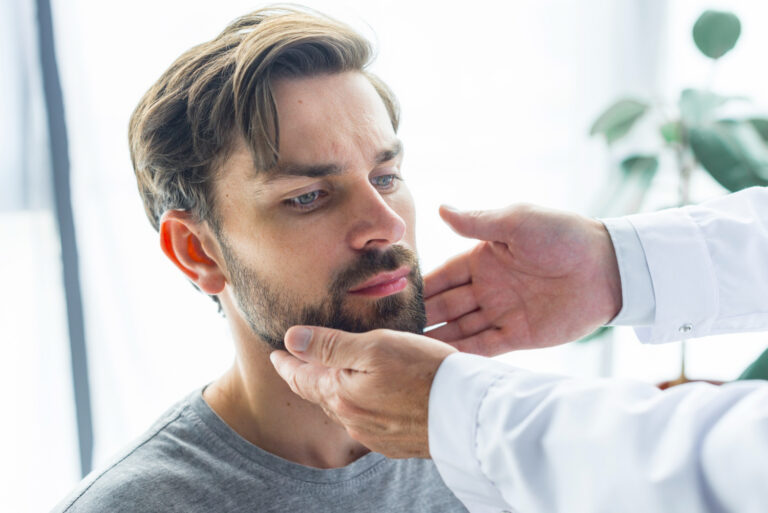
- Consultation: The dermatologist assesses skin type, severity of rosacea, and medical history to determine candidacy for vascular laser therapy.
- Preparation: Protective eyewear is provided, and the skin is cleaned. A topical anesthetic may be applied for comfort.
- Treatment: The laser is calibrated for the patient’s skin and vascular features. Multiple passes may be performed.
- Aftercare: Cool compresses, gentle products, and strict sun avoidance are recommended. Most side effects resolve within 48 hours.
Who Is a Good Candidate for Vascular Laser Treatment?
Patients with persistent redness and visible blood vessels that do not respond adequately to topical or oral therapies are ideal candidates for vascular laser treatment. Vascular lasers are most effective on fair to medium skin tones, as darker skin may be at higher risk for pigmentation changes. A thorough dermatological evaluation is essential to determine whether vascular lasers for rosacea are appropriate and to customize the treatment protocol.
Risks and Considerations
While vascular laser therapy is generally safe, there are potential risks and side effects:
- Temporary swelling, redness, or bruising
- Rare risk of blistering or scarring
- Changes in skin pigmentation, especially in darker skin types
- Occasional recurrence of redness or vessels, requiring maintenance treatments
Proper patient selection, experienced operators, and adherence to post-treatment care are key to minimizing adverse outcomes.
Frequently Asked Questions
Most patients require 2–4 sessions spaced several weeks apart for optimal rosacea treatment results. Maintenance sessions may be needed annually.
Patients describe the sensation as mild discomfort; topical numbing creams can be used to enhance comfort.
Improvement is often noticeable after the first session, with continued benefits after subsequent vascular laser therapy treatments.
Yes, vascular laser treatment is often used alongside topical and oral medications to achieve comprehensive control.
Optimizing Your Outcomes: Dermatologist Tips
- Choose an Experienced Provider: Board-certified dermatologists have specialized training in vascular laser therapy or procedures, and can tailor treatments to your unique needs.
- Maintain Trigger Avoidance: Even after laser Rosacea treatment, continue to avoid known rosacea triggers such as sun exposure, spicy foods, and alcohol.
- Follow a Gentle Skin Care Routine: Use fragrance-free, non-irritating products and daily sunscreen to protect your skin. A gentle routine enhances vascular laser therapy benefits by reducing post-treatment irritation.
- Communicate: Share any changes in symptoms or side effects with your dermatologist for timely management. Open communication allows timely adjustments and optimizes the success of vascular laser therapy.
The Future of Vascular Lasers in Rosacea Care
Technology continues to evolve, with newer devices offering greater precision, comfort, and customization. Research is ongoing to optimize protocols for different skin types and severities of rosacea. As our understanding of rosacea deepens, vascular lasers for Rosacea remain at the forefront of procedural management, providing hope and relief for patients worldwide.
Conclusion
Rosacea can be a challenging condition to manage, but advances in vascular laser treatment technology have provided dermatologists with powerful tools to alleviate redness and restore confidence. With expert guidance, proper expectations, and modern technology, Rosacea treatment using lasers can significantly improve both skin appearance and quality of life.
If you are struggling with persistent rosacea symptoms, consult with a board-certified dermatologist to explore whether vascular laser therapy is right for you. With personalized care and modern technology, clearer skin is within reach.
For more information or to schedule a consultation, call us today. Your path to radiant skin starts here.