Unlocking the Power of Regeneration for Fuller, Healthier Hair
Microneedling with exosomes is redefining the landscape of hair loss treatment. Hair loss is a common concern affecting millions of people worldwide, transcending age, gender, and background. While genetics and hormonal changes are often the main culprits, factors such as stress, illness, and environmental influences can exacerbate thinning and shedding. As the search for effective hair loss treatment or restoration solutions continues, an innovative approach has begun to capture attention in both clinical and cosmetic circles: microneedling with exosomes.
What makes this combination so promising? In this blog, we’ll delve into the science behind microneedling and exosome therapy, explore how they work together, and outline what you can expect from this cutting-edge procedure.
Understanding Microneedling for Hair Loss
Microneedling, also known as collagen induction therapy, originally gained popularity as a treatment for skin rejuvenation and acne scars. The technique involves the use of a device equipped with fine, sterile needles that puncture the skin to create microscopic channels. When applied to the scalp, these controlled injuries stimulate the body’s natural wound healing response, encouraging the production of collagen, elastin, and growth factors essential for healthy hair follicles.
But why is this beneficial for hair loss treatment or restoration? The answer lies in biology. The scalp’s healing process not only strengthens existing hair follicles but also creates an optimal environment for the absorption of topical treatments. This opens the door for synergistic therapies like the application of exosomes, to work more efficiently and deliver enhanced results.
What are Exosomes?
Exosomes are tiny, extracellular vesicles secreted by cells, particularly stem cells. Think of them as molecular messengers: they carry genetic material, proteins, and growth factors from one cell to another, orchestrating a symphony of repair and regeneration wherever they go.
In the context of hair restoration, exosomes derived from stem cells (often from sources like adipose tissue or bone marrow) are rich in signaling molecules that can boost cellular communication, reduce inflammation, and promote tissue repair. When delivered to the scalp, they encourage dormant hair follicles to re-enter the active growth phase, stimulate new hair production, and improve overall follicle health.
The Synergy: Why Combine Microneedling and Exosomes?
While both microneedling and exosome therapy have shown promise on their own, their combination is proving to be even more potent.
- Enhanced Delivery: Microneedling creates microchannels in the scalp, serving as direct pathways for exosomes to penetrate deeper into the skin and reach the follicular level.
- Amplified Regeneration: The wound-healing cascade started by microneedling is supercharged by the regenerative properties of exosomes, leading to faster and more robust follicle recovery.
- Reduced Inflammation: Exosomes contain anti-inflammatory factors that can soothe the scalp after microneedling, minimizing side effects and supporting quicker recovery.
What to Expect During the Procedure
A typical session of microneedling with exosomes for hair restoration is straightforward and minimally invasive. Here’s how it usually unfolds:
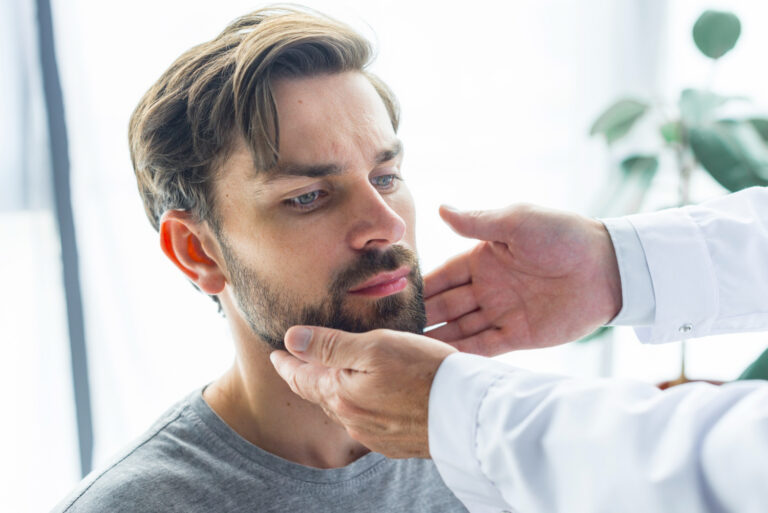
- Consultation: A thorough evaluation with a board-certified dermatologist determines your suitability for the procedure, taking into account your medical history, hair loss pattern, and underlying causes.
- Preparation: The scalp is cleansed, and a topical numbing agent may be applied to minimize discomfort. Some clinics recommend pre-treatment with specialized shampoos or serums.
- Microneedling: Using a medical-grade device (such as a dermapen or dermaroller), the practitioner carefully glides the tool over thinning or balding areas of the scalp. The depth and density of the needles are adjusted based on individual needs and the thickness of the scalp skin.
- Application of Exosomes: Immediately after microneedling, a concentrated exosome solution is applied. The freshly created microchannels allow these regenerative vesicles to penetrate deeply, targeting hair follicles at their foundation.
- Post-Procedure Care: You may experience mild redness or sensitivity, similar to a minor sunburn, but this typically subsides within 24 to 48 hours. Patients are advised to avoid harsh shampoos, direct sunlight, and strenuous exercise for a couple of days.
Multiple sessions are often required for optimal results, typically spaced four to six weeks apart. Most patients begin to notice visible improvements in hair texture, density, and coverage within two to three months, with continued progress over several additional months.
Benefits of Microneedling with Exosomes
- Non-Surgical: There’s no need for incisions, stitches, or extended downtime, making it an appealing alternative to traditional hair loss treatments or transplants.
- Natural-Looking Results: By harnessing the body’s own healing mechanisms, the regrowth appears subtle and authentic.
- Safe for Most Skin Types: The minimally invasive nature of the procedure carries a low risk of complications when performed by qualified professionals.
- Versatile: Effective for both men and women experiencing various stages of hair thinning or loss.
Risks and Considerations
As with any cosmetic procedure, it’s important to be aware of potential risks:
- Minor Side Effects: Temporary redness, swelling, or tenderness may occur but generally resolve quickly.
- Infection: Although rare, improper technique or aftercare can lead to infection. Always ensure your provider follows stringent sterilization protocols.
- Not for Everyone: Those with active scalp infections, autoimmune conditions, or a history of keloid scarring should discuss alternatives with their healthcare provider.
- Results May Vary: Genetics, age, and underlying medical conditions play a large role in overall effectiveness.
Conclusion: Is This the Future of Hair Restoration?
Microneedling with exosomes represents a promising evolution in the field of hair restoration. It combines advanced regenerative science with time-tested techniques. For those seeking a non-surgical, minimally invasive approach to combat hair loss, this therapy offers new hope and the possibility of renewed confidence.
As always, the first step is a personalized consultation with a knowledgeable provider. By setting realistic expectations and adhering to recommended aftercare, you can maximize your chances of achieving fuller, healthier hair. In the ever-evolving landscape of aesthetic medicine, microneedling for hair loss – especially when paired with exosomes just might be the breakthrough you’ve been waiting for.