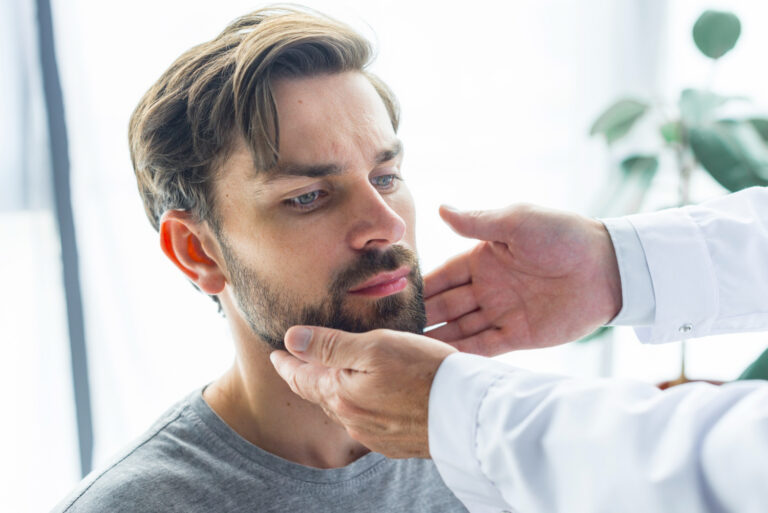
How Trillium Clinic Dermatology and Dr. Stefan Weiss Are Transforming Dandruff Treatment
Dandruff and seborrheic dermatitis are among the most common skin conditions affecting millions of people worldwide. Often dismissed as a mere nuisance, these conditions can significantly impact self-esteem and quality of life. At Trillium Clinic Dermatology, Dr. Stefan Weiss and his team are dedicated to demystifying these scalp disorders and offering both traditional and cutting-edge therapies tailored to individual needs. This blog explores the science behind dandruff and seborrheic dermatitis, highlights classic and emerging treatments such as Olux, Luxiq, and the innovative Zoryve foam, and provides expert guidance for those seeking relief through anti dandruff treatment.
What Are Dandruff and Seborrheic Dermatitis?
Dandruff is a chronic scalp disorder characterized by the shedding of dead skin cells, leading to flaking and sometimes mild itching. Seborrheic dermatitis is a related, but more severe, inflammatory condition affecting areas of the skin rich in oil glands – primarily the scalp, but also the face, ears, chest, and back. Symptoms include red, greasy patches covered with white or yellowish scales, persistent itching, and sometimes even hair loss if left untreated.
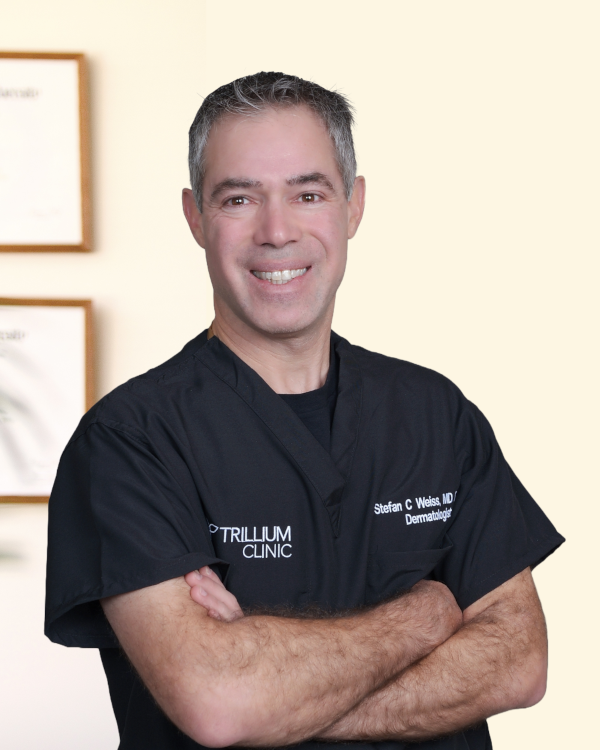
Dr. Stefan Weiss of Trillium Clinic Dermatology explains, “While dandruff is often seen as a cosmetic concern, seborrheic dermatitis can be a more serious, chronic issue that requires ongoing management. Understanding the relationship between these two conditions is crucial for effective dandruff treatment.”
What Causes Dandruff and Seborrheic Dermatitis?
The exact cause of these conditions remains unclear, but several factors are known to contribute:
- Malassezia yeast: A naturally occurring fungus on the skin, which, in susceptible individuals, can trigger inflammation and increased cell turnover.
- Sebum (oil) production: Excess oil can feed Malassezia, exacerbating symptoms.
- Genetic predisposition: These conditions often run in families.
Environmental factors: Cold, dry weather and stress can worsen symptoms. - Immune response: Some individuals’ immune systems overreact to Malassezia, causing inflammation.
“It’s important to recognize that dandruff and seborrheic dermatitis are not caused by poor hygiene,” adds Dr. Weiss. “They result from a complex interplay between the skin’s natural flora, environmental triggers, and the immune system.”
Classic Dandruff Treatments: Olux, Luxiq, and More
For decades, anti dandruff treatment for dandruff and seborrheic dermatitis has centered on topical therapies designed to reduce inflammation, control yeast, and manage scaling. Among the most established medications are corticosteroid foams and solutions, which offer rapid relief from itching and redness.
Olux (Clobetasol Propionate Foam)
Olux is a potent topical corticosteroid delivered in a foam base, making it easier to apply to the scalp. It is particularly effective for severe flares, offering rapid reduction in inflammation and scaling. However, due to its strength, Olux is typically used for short-term control and not as a maintenance therapy to avoid potential side effects such as thinning of the skin.
Dr. Weiss notes, “Olux has been a mainstay in our dermatology toolkit for patients with stubborn seborrheic dermatitis. Its foam formulation allows for better penetration and easier application, especially for those with thicker hair. As part of the team that developed the 2nd generation of Olux Foam, I am especially proud of its ability to help patients rapidly”
Luxiq (Betamethasone Valerate Foam)
Another long-standing option is Luxiq, a medium-strength corticosteroid also available as a foam. It offers similar advantages in terms of ease of use and is generally well tolerated. Luxiq is often chosen for moderate cases or as a step-down therapy following Olux.
At Trillium Clinic Dermatology, Dr. Weiss and his colleagues often tailor the choice of corticosteroid based on the severity of symptoms, the patient’s hair type, and their response to previous treatments. “The goal is to control flares quickly and then transition to less potent therapies to minimize side effects,” says Dr. Weiss.
Antifungal Shampoos and Adjunctive Therapies
In addition to corticosteroid foams, antifungal shampoos remain a cornerstone of dandruff treatment and seborrheic dermatitis management. Products containing ketoconazole, selenium sulfide, zinc pyrithione, or coal tar can help reduce the levels of Malassezia yeast and slow down the skin cell turnover that leads to flaking.
“Regular use of medicated shampoos is essential for long-term control,” advises Dr. Weiss. “We often recommend alternating between different active ingredients to prevent resistance and enhance efficacy.”
Adjunctive therapies, such as topical calcineurin inhibitors (e.g., tacrolimus and pimecrolimus), can be used for sensitive areas like the face or when steroids are not suitable.
New Frontiers in Anti Dandruff Treatment: Zoryve Foam
While classic medications have proven effective for many, the search for safer, more innovative therapies continues. One of the most exciting advances in recent years is the introduction of Zoryve foam (roflumilast), a phosphodiesterase-4 (PDE4) inhibitor.
How Zoryve Foam Works
Zoryve foam represents a new class of non-steroidal, anti-inflammatory medications. By inhibiting PDE4, Zoryve reduces the inflammatory cascade that drives the symptoms of seborrheic dermatitis. Unlike corticosteroids, it does not cause skin thinning or the other side effects associated with long-term steroid use, making it an appealing option for chronic anti dandruff treatment.
Dr. Weiss is enthusiastic about the potential of Zoryve: “This is a game-changer for our patients. Zoryve foam is easy to apply, works rapidly, and is safe for extended use, even on delicate areas like the face. It’s particularly valuable for individuals who have previously relied on steroids and are looking for a steroid-sparing alternative.”
Clinical Results and Patient Experience
Clinical trials have demonstrated that Zoryve foam can significantly reduce redness, scaling, and itch within a few weeks of use. Patients report a comfortable, non-greasy feel and minimal irritation, which supports adherence. As Dr. Weiss shares, “Our patients at Trillium Clinic Dermatology have seen remarkable improvements, and many appreciate not having to worry about the side effects of steroids.”
Integrating Old and New: A Personalized Approach
The management of dandruff and seborrheic dermatitis is rarely a one-size-fits-all endeavor. Dr. Stefan Weiss and the team at Trillium Clinic Dermatology emphasize the importance of a personalized treatment plan that considers each patient’s unique triggers, lifestyle, and preferences.
“We often start with time-tested therapies like Olux or Luxiq for acute flares and transition to maintenance with antifungal shampoos or newer agents like Zoryve foam,” Dr. Weiss explains. “Education and patient involvement are key, understanding how to use these treatments correctly can make all the difference.”
Practical Tips for Managing Dandruff and Seborrheic Dermatitis
- Stick to a regimen: Consistency is crucial. Use medicated shampoos as directed, even when symptoms improve.
- Minimize triggers: Stress management, avoiding harsh hair products, and protecting the skin from extreme weather can help reduce flares.
- Consult regularly: Regular follow-ups with a dermatologist ensure your anti dandruff treatment plan is working and allows for timely adjustments.
- Don’t overuse steroids: Use potent corticosteroids like Olux only as prescribed and for short periods.
- Explore new options: Ask your dermatologist about novel therapies like Zoryve foam, especially if you experience frequent relapses or side effects from traditional treatments or dandruff remedies.
When to See a Dermatologist
While mild dandruff can often be managed with over-the-counter shampoos, persistent or severe cases may require professional evaluation. Signs that it’s time to visit Trillium Clinic Dermatology include:
- Red, swollen, or painful patches
- Significant hair loss
- Symptoms spreading to the face, ears, or chest
- No improvement with standard shampoos
- Concerns about side effects from medications
Dr. Weiss emphasizes, “Early intervention can prevent complications and help you regain control over your skin health. Our team is here to support you every step of the way.”
Looking Ahead: The Future of Dandruff and Seborrheic Dermatitis Care
The landscape of dermatology is evolving rapidly, with research continuing to uncover the complex mechanisms behind these common skin conditions. As new therapies like Zoryve foam emerge, patients have more options than ever before for personalized, effective care.
At Trillium Clinic Dermatology, Dr. Stefan Weiss remains at the forefront of these advances, combining clinical expertise with a compassionate approach. “Our mission is to empower patients with the knowledge and tools they need to manage their skin health confidently and comfortably,” he says.
Conclusion
Dandruff and seborrheic dermatitis are more than just cosmetic annoyances, they are chronic, relapsing conditions that can affect every aspect of life. Fortunately, with the right guidance and a tailored anti dandruff treatment plan, relief is within reach. Whether you are starting with classic therapies like Olux and Luxiq or exploring the latest innovations such as Zoryve foam, expert support from providers like Dr. Stefan Weiss at Trillium Clinic Dermatology can make all the difference. Don’t hesitate to seek advice, stay consistent with your regimen, and embrace the new era of dermatologic care.
If you’re struggling with dandruff or or need advanced seborrheic dermatitis treatment, schedule a consultation with Trillium Clinic Dermatology today and take the first step toward healthier, more comfortable skin.