Perimenopause and Skin: Changes, Causes, Care & Treatment
Perimenopause and skin changes can be some of the first signs that this transition is underway. For many women, the first signs of perimenopause aren’t hot flashes or irregular periods; they show up in the mirror. Skin that once bounced back overnight starts looking dull, dry, or suddenly more lined. Breakouts that disappeared in your twenties make an unwelcome return. If any of this sounds familiar, you’re not imagining it. Your skin is one of the most hormone-sensitive organs in your body, and the hormonal turbulence of perimenopause leaves a visible mark.
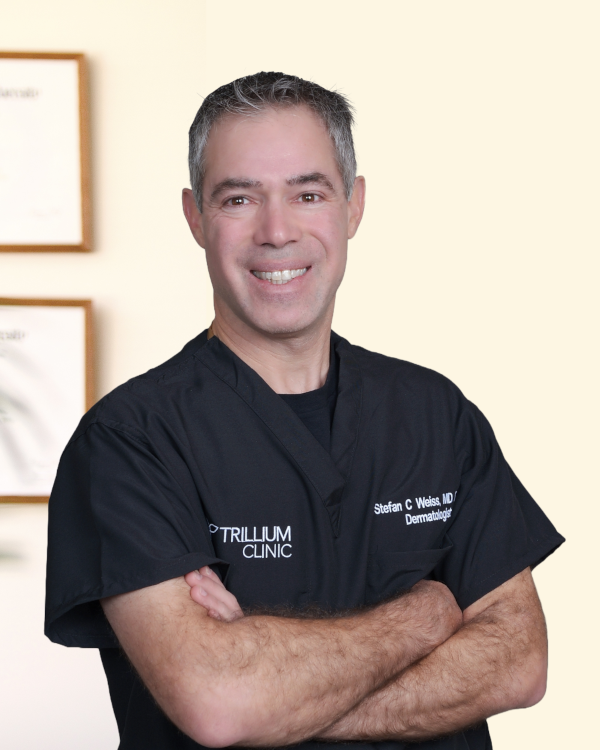
At Trillium Dermatology, Dr. Stefan Weiss, MD, FAAD, works with women navigating exactly these changes every day. Understanding what’s driving them, and knowing which treatments actually work, is the first step toward skin that looks and feels its best through midlife and beyond.
What Is Perimenopause, and When Does It Start?
Perimenopause is the transitional phase leading up to menopause, typically beginning in a woman’s early-to-mid forties, though it can start as early as the mid-thirties. Estrogen and progesterone levels begin fluctuating unpredictably, and these fluctuations can span anywhere from two to ten years before the final menstrual period. During this time, virtually every organ system feels the effects, including the skin.
These hormonal shifts are also behind many of the perimenopause skin changes women notice during this stage, from dryness and changes in skin texture to breakouts and pigmentation.
How Hormonal Shifts Affect the Skin
So, how perimenopause affects your skin comes down largely to the changing levels of estrogen and progesterone.
Estrogen is fundamentally a skin-supporting hormone. It stimulates collagen and elastin production, promotes moisture retention, supports wound healing, and regulates the skin’s natural oil balance. When estrogen levels begin to drop and fluctuate, the downstream effects are wide-ranging.
Dryness and lost radiance are among the earliest complaints. Estrogen plays a key role in stimulating hyaluronic acid production; the molecule responsible for keeping skin plump and hydrated. As levels decline, the skin’s moisture barrier weakens, leading to increased transepidermal water loss. Skin can feel tight, rough, and look lackluster even with a consistent moisturizing routine.
These hormonal changes and skin hydration are closely connected, which is why maintaining the skin barrier becomes especially important during perimenopause.
Collagen loss accelerates sharply during perimenopause. Research suggests women can lose up to 30% of their skin collagen within the first five years after menopause begins, contributing to thinner, less firm skin and more visible fine lines and sagging. Structurally, this means skin becomes thinner, less firm, and more prone to fine lines and sagging, particularly around the jawline, neck, and under the eyes.
Adult acne makes a comeback for many women in perimenopause. As estrogen drops, androgens (male hormones) become relatively dominant. This hormonal imbalance stimulates sebaceous glands, leading to increased oil production and the cystic, deep-seated breakouts that tend to cluster around the chin and jawline; different in character from teenage acne and often stubborn in response to conventional over-the-counter treatments.
These are among the hormonal skin changes that can make perimenopausal acne particularly frustrating to manage.Uneven pigmentation worsens with shifting hormones. Melasma, the patchy, brown facial discolouration triggered by hormonal changes, often flares during perimenopause. Combined with cumulative sun damage that’s had decades to accumulate, age spots and uneven skin tone can become more pronounced and harder to manage with skincare alone.
Increased sensitivity and rosacea flares are also common. Estrogen has a regulatory effect on skin inflammation; as it declines, the skin can become more reactive, flushed, and prone to redness. Women who had no history of rosacea sometimes develop it for the first time during this period.
Building the Right Skincare Foundation
Before any treatment conversation, Dr. Weiss emphasizes that a well-constructed daily skincare routine forms the essential base. For women experiencing perimenopause skincare concerns, that foundation becomes especially important as the skin barrier, hydration, and overall skin quality begin to change.
A gentle, fragrance-free cleanser and a rich moisturizer with ceramides, glycerin, or hyaluronic acid help shore up the compromised barrier. Broad-spectrum SPF 30 or higher, applied daily, is non-negotiable; not only to prevent further pigmentation but to slow collagen degradation from UV exposure.
Retinoids remain the gold standard topical ingredient for perimenopausal skin. Prescription-strength tretinoin stimulates collagen synthesis, accelerates cell turnover, and significantly improves both fine lines and uneven pigmentation with consistent use. Over-the-counter retinol formulations are a gentler starting point. Vitamin C serums, applied in the morning, provide antioxidant protection and help brighten pigmentation.
For a closer look at these core skincare ingredients and how they can fit into a daily routine, see our dermatologist’s ultimate skincare routine guide.
Managing Adult Hormonal Acne
For adult hormonal acne, topical niacinamide, azelaic acid, and tretinoin can be highly effective. When hormonal breakouts persist, hormonal acne treatment may require a more individualized approach rather than simply using harsher acne products. Self-treating perimenopausal acne with harsh drying products typically backfires, stripping an already compromised skin barrier.
In-Clinic Treatments at Trillium Dermatology
A thoughtful at-home routine goes a long way, but for the structural changes of perimenopause, professional treatments can address concerns that topical skincare alone may not fully address. At Trillium Dermatology, Dr. Stefan Weiss offers a range of evidence-based options tailored to each patient’s specific concerns.
Neurotoxin Injections
Neurotoxin injections such as Botox and Dysport address dynamic lines: the expression-related wrinkles around the eyes, forehead, and mouth that deepen as collagen thins. Results are predictable and natural-looking when administered by an experienced physician injector.
Dermal Fillers
Dermal fillers restore lost volume in the midface, soften deep nasolabial folds, and redefine the jawline. Hyaluronic acid fillers are a particularly good match for perimenopausal patients because they also attract water to the tissue, addressing dryness and dullness alongside volume loss.
Biostimulators
Biostimulators such as Sculptra and Radiesse take a longer-term approach, stimulating the body’s own collagen production over several months. For patients primarily concerned with skin quality and firmness rather than isolated lines, these treatments offer a gradual, natural-looking improvement that evolves over time.
Laser Treatments
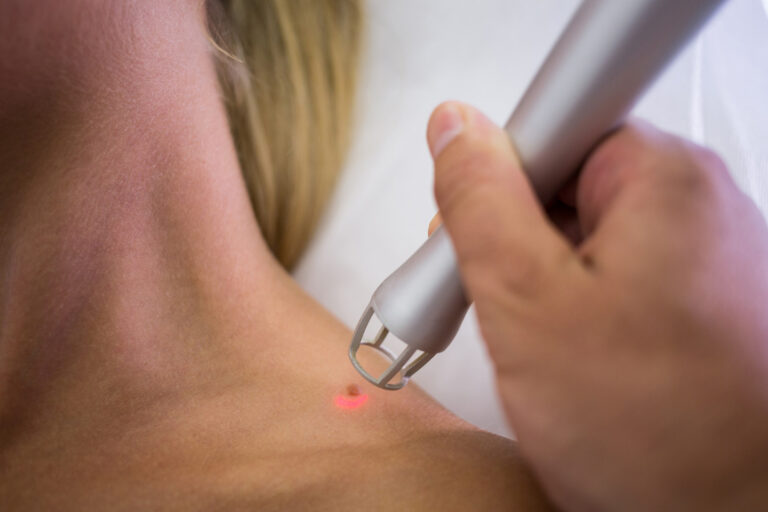
Laser treatments, including fractional CO2 and vascular lasers, address pigmentation, texture, and skin laxity. The Excel V vascular laser can be used to address redness and certain pigmentation concerns, including melasma, depending on the individual treatment plan.
A Word on Hormone Therapy
For some women, topical or systemic hormone replacement therapy (HRT), managed in collaboration with their primary care physician or gynecologist, can meaningfully improve skin quality alongside other perimenopausal symptoms. The decision to pursue HRT is personal and medical, weighing individual health history and risk factors. Dr. Weiss works collaboratively with patients’ broader healthcare teams to ensure skincare treatments complement, rather than conflict with, any hormone management strategy.
The Bottom Line
Perimenopause is a profound biological transition, and the changes it brings to the skin are real, predictable, and, importantly, highly treatable. You don’t need to simply accept dryness, breakouts, accelerated lines, or uneven tone as inevitable. With the right combination of at-home care and evidence-based in-clinic treatments, your skin can look healthy, rested, and vibrant through every stage of midlife.
For women whose perimenopause skin changes are persistent or difficult to manage, the right perimenopause skin treatment starts with understanding what is driving those changes and which options are appropriate for your skin.
If you’re noticing changes you’d like to address, the experienced team at Trillium Dermatology is here to help. Dr. Stefan Weiss, MD, FAAD offers personalized consultations to assess your skin’s needs and build a treatment plan that works for your life, your goals, and your biology.
Book your consultation today at Trillium Dermatology, because great skin doesn’t have an expiration date.
Dr. Stefan Weiss is a board-certified dermatologist and Fellow of the American Academy of Dermatology (FAAD) practicing at Trillium Dermatology in Burlington, Smithfield, and Chapel Hill.