Last updated: October 28, 2026
For most people, winter just means drier skin. But if you live with eczema, psoriasis or rosacea, or get hives from the cold, winter can bring flare-ups that are harder to manage.
This guide explains why cold weather affects each condition, what you can do to prevent flares, and when to see a dermatologist. For everyday winter skin care, see our winter skin care guide.
Eczema (atopic dermatitis)
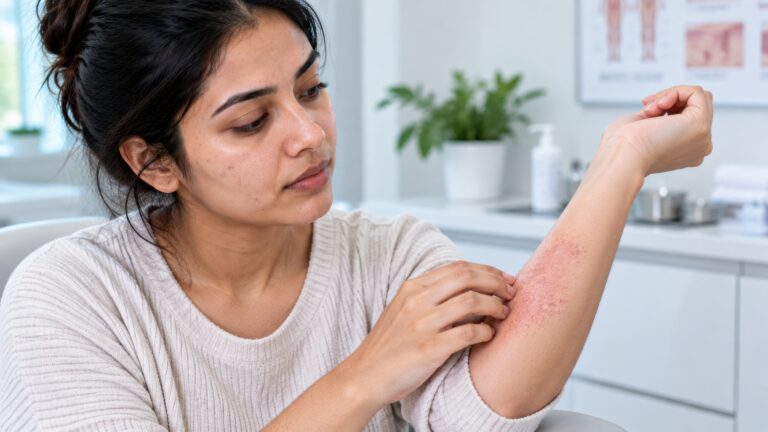
Eczema creates tiny cracks in the skin, so it loses water quickly, according to the American Academy of Dermatology (AAD). That’s why eczema-prone skin feels so dry, and why cold, dry air can make it worse.
AAD tips that help eczema-prone skin in winter:
- Apply a gentle, fragrance-free moisturizer right after bathing, and as often as your dermatologist recommends. The AAD calls this one of the best treatments for dry, itchy eczema.
- Choose moisturizers with petrolatum, shea butter or silicones.
- Keep baths and showers short and warm, and pat your skin dry.
- Wear soft fabrics such as cotton next to your skin instead of wool.
- Use a humidifier when the air in your home feels dry.
Learn more about atopic dermatitis or read our guide to moisturizers and skin care for eczema.
Psoriasis
The AAD lists dry, cold weather as a common psoriasis trigger. If your psoriasis gets worse when the temperature or humidity drops in fall and winter, this is likely one of your triggers.
The AAD recommends:
- Keep treating your psoriasis as prescribed.
- Limit showers and baths to 10 minutes in warm, not hot, water.
- Right after bathing, apply a fragrance-free ointment or cream rather than a lotion, and reapply when your skin feels dry.
- Use a gentle, moisturizing cleanser instead of soap.
- Run a humidifier when the air feels dry.
- Dress warmly with a hat, gloves, waterproof boots and a winter jacket, and change out of wet clothes when you come inside.
- Sit far enough from a fireplace or radiator that you can’t feel the heat on your skin.
If your psoriasis keeps flaring, see your dermatologist. Ask whether light therapy (phototherapy) could help in the winter. Learn more about psoriasis treatment at Trillium.
Rosacea
Wind and cold are known rosacea triggers, and windburn is common in rosacea-prone skin, according to the AAD. A windburn can set off a flare, especially in winter.
To protect your face:
- Cover your face up to just below your eyes with a scarf. Silk or acrylic works best.
- Avoid wool and other rough fabrics against your face.
- Wear a rosacea-friendly sunscreen and a moisturizer every day.
- Limit your time outdoors on cold, windy days.
- Keep following your rosacea treatment plan.
It also helps to keep a diary of what you eat, drink and are exposed to, including cold and heat, to spot your own triggers. Learn more about rosacea.
Hives from the cold (cold urticaria)
Some people develop itchy welts on the skin after being in the cold. This condition is called cold urticaria. According to the AAD, you might notice:
- Welts or an itchy rash after coming in from the cold, especially on skin clothing didn’t cover
- Swollen lips or throat after eating or drinking something frozen
- An itchy rash, or feeling faint, after being in cold water
Some people only react to cold water or a cool wind; others react to air-conditioned rooms or a grocery store freezer aisle. Most people with cold urticaria are otherwise healthy, and precautions and medication can help prevent hives.
Get help right away if you’ve ever felt faint, had trouble breathing or had throat swelling after cold exposure. Your dermatologist may recommend carrying an epinephrine pen. Learn more about hives.
When to see a dermatologist
See a dermatologist if a winter flare doesn’t improve with these steps, if your skin cracks, bleeds or shows signs of infection, or if you’re not sure what’s causing a rash. Treating the underlying condition is often what brings lasting relief.
Is winter making your skin condition flare? Book an appointment at Trillium in Chapel Hill, Smithfield or Burlington. Call 919-710-8100 or schedule online.
Frequently asked questions
Eczema creates tiny cracks in the skin, so it loses water quickly. Cold, dry air outdoors and heated air indoors dry it out further. Moisturizing right after bathing, and as often as your dermatologist recommends, is one of the best ways to prevent flares.
For many people, yes. The American Academy of Dermatology lists dry, cold weather as a common psoriasis trigger. Keep treating your psoriasis, moisturize with a cream or ointment, use a humidifier and dress warmly.
Yes. Wind and cold are common rosacea triggers, and windburn can set off a flare. Cover your face with a silk or acrylic scarf and wear a rosacea-friendly sunscreen and moisturizer daily.
Some people get hives from cold exposure, a condition called cold urticaria. Welts can appear after being outside, swimming in cold water or eating something frozen. A dermatologist can confirm it and recommend precautions and medicine.
If you feel faint, have trouble breathing or your throat swells after cold exposure, get emergency help. Your dermatologist may recommend carrying an epinephrine pen.
If a flare doesn't improve with good skin care, if skin cracks, bleeds or looks infected, or if you're not sure what's causing a rash.
About Dr. Weiss
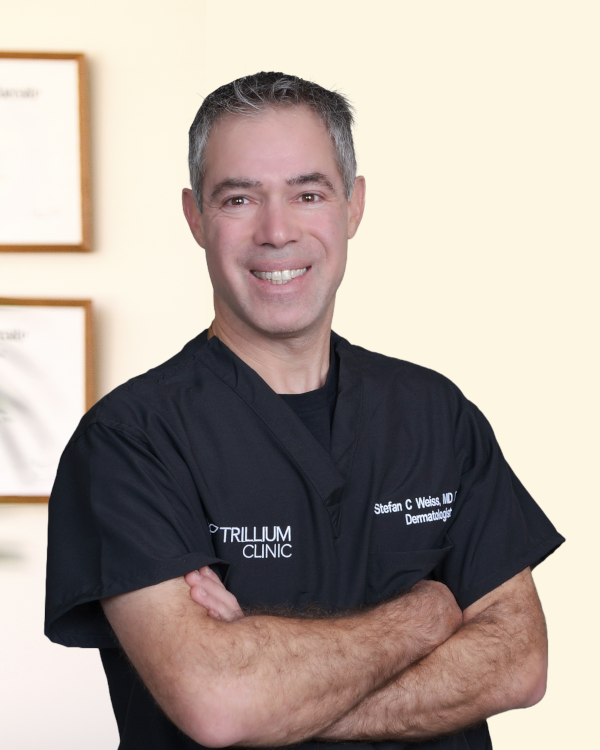
Stefan C. Weiss, MD, FAAD, is a board-certified dermatologist, the medical director of Trillium Clinic and an adjunct professor of dermatology at Brown University. He trained at Duke University School of Medicine and Stanford University Medical Center, has authored more than 100 peer-reviewed abstracts, posters and manuscripts, and has over two decades of experience in medical and cosmetic dermatology.
References
- American Academy of Dermatology. How to reduce eczema flares with moisturizer.
- American Academy of Dermatology. Psoriasis triggers.
- American Academy of Dermatology. How to prevent rosacea flare-ups.
- American Academy of Dermatology. Find your rosacea triggers.
- American Academy of Dermatology. Hives: cold urticaria.
- American Academy of Dermatology. How to treat dry skin: dermatologist tips for relief.
- American Academy of Dermatology. Your winter skin survival kit.
This article is for general education and isn’t a substitute for personal medical advice. A board-certified dermatologist can tell you which treatment is right for you.