Exosomes in Dermatology: A Guide to Skin Rejuvenation Trends
Exosomes in dermatology are emerging as one of the most talked-about innovations in regenerative aesthetics, and for good reason. These microscopic “messenger” particles are involved in cell-to-cell communication and are being explored for their potential role in exosome therapy for skin, recovery, texture improvement, and healthier-looking aging.
If you’ve heard about exosomes skin rejuvenation, microneedling with exosomes, or exosomes as an add-on after lasers, this evidence-informed guide explains what are exosomes in skincare, how they work, and what to consider before treatment. Patients exploring the best treatment for skin rejuvenation are increasingly asking about exosomes as part of advanced care options.
What are Exosomes?
Exosomes in dermatology are tiny extracellular vesicles released by many types of cells. Think of them as biological packages that can carry proteins, lipids, and genetic “instructions” (like RNA fragments) from one cell to another.
In the skin, cell signaling plays a major role in wound healing and collagen remodeling: two processes that are central to many cosmetic dermatology procedures and exosome therapy for skin applications.
How Exosomes are Used in Cosmetic Dermatology
In aesthetic medicine, exosome therapy for skin is most commonly discussed as a topical or post-procedure application intended to support recovery and improve the overall quality of results. Since the outermost layer of skin is designed to block penetration, exosomes are typically paired with treatments that create controlled micro-channels or stimulate dermal remodeling.
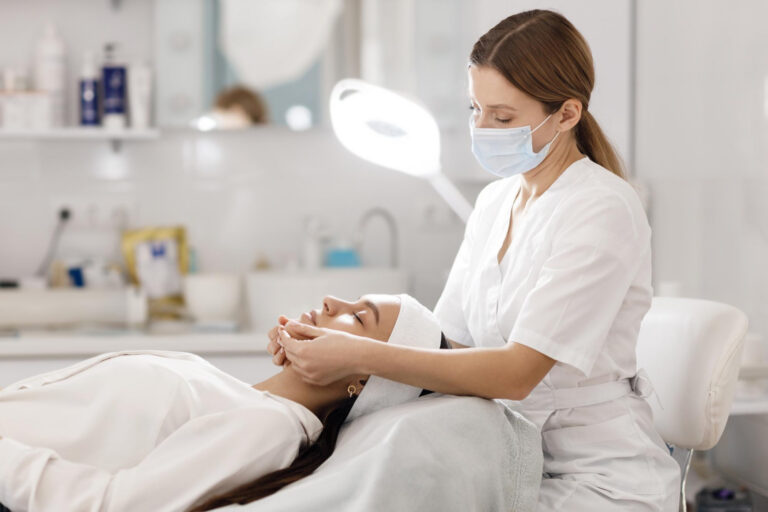
- Microneedling with exosomes: Microneedling creates tiny, temporary channels and a healing response. Exosomes skin rejuvenation is sometimes applied afterward as a regenerative skin-care booster.
- Laser resurfacing + exosomes: After certain laser treatments, clinicians may recommend adjunctive topicals to help calm skin and support the recovery window.
- After-procedure skin revitalization: Patients often undergo exosome therapy for skin to improve fine lines, uneven texture, tone, and post-inflammatory redness.
These combined approaches are often offered at an advanced skin treatment clinic near Chapel Hill or by a dermatologist offering exosome therapy as part of modern regenerative dermatology care.
Potential benefits: What Patients Hope Exosomes Can Do
Interest in exosomes in dermatology centers on their signaling role. In theory, well-formulated exosome products could help “coach” the skin’s repair process: supporting hydration, barrier recovery, and collagen remodeling after controlled injury (like microneedling or laser treatments).
In practice, results vary based on the procedure performed, the patient’s skin biology, and the specific exosome product used in exosomes skin rejuvenation.
- Smoother-looking skin texture
- More even tone and “glow”
- Softening the appearance of fine lines
- Improved look of mild acne scarring when combined with resurfacing procedures
- Potentially less downtime (redness/tightness) after certain treatments
Important: The science is evolving, and “exosomes” is a broad term that covers many different sources and manufacturing methods. That means study results don’t always translate from one product to another, and marketing claims can outpace the evidence. A board-certified dermatologist near Chapel Hill or a trusted dermatology clinic near Chapel Hill can help you weigh whether an exosome add-on is reasonable for your goals, or whether other options (like prescription topicals, lasers, or PRP) may be a better fit.
Safety and FDA status: What to Know Before You try Exosomes
Since exosome-based treatments sit at the intersection of biologics and aesthetics, safety and quality control matter. Patients undergoing exosome therapy for skin should be cautious of products that promise dramatic results, claim to “cure” conditions, or are offered outside a medical setting.
In the U.S., many exosome products marketed for cosmetic use are not FDA-approved as drugs or biologics for exosomes skin rejuvenation. Regulatory guidance can change over time, but the key takeaway is this: you want physician-led care, transparent sourcing, and a plan tailored to your skin type and medical history.
Your dermatologist offering exosome therapy should also review contraindications (for example, active infections, certain inflammatory flares, or recent isotretinoin use) before combining any add-on with procedures like microneedling or laser. Choosing a trusted dermatology clinic near Chapel Hill or an advanced skin treatment clinic near Chapel Hill ensures safer, more informed care.
Exosomes: A Dermatologist-Guided Approach
Exosomes in dermatology are discussed in the context of comprehensive skin health – not as a one-size-fits-all trend. Cosmetic dermatologists focus on matching the right procedure to the right patient, which may include evidence-based cosmetic treatments such as microneedling, laser services, and medical-grade skin care.
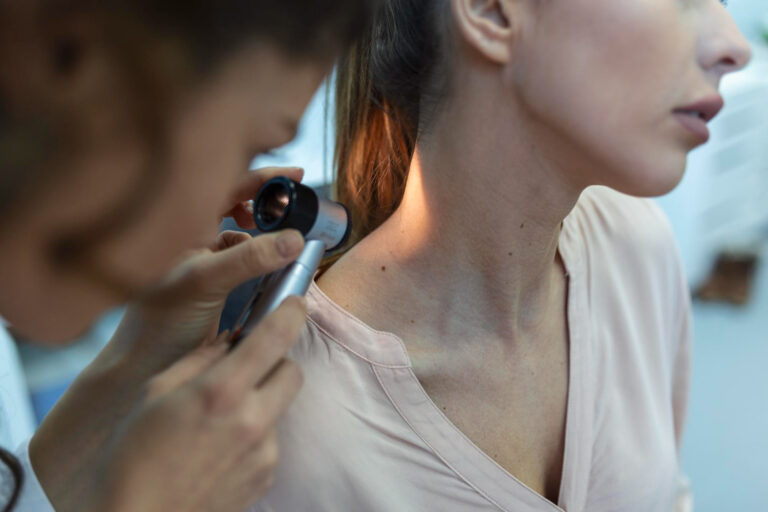
If you’re considering exosome therapy for skin, a consultation is the best place to start. Your visit should include a skin assessment, review of your current routine and any sensitivities, and a discussion of your top priorities (texture, pigmentation, fine lines, acne scars, or downtime).
From there, your dermatologist can outline whether an exosomes skin rejuvenation protocol makes sense for you, or whether alternatives may deliver more predictable outcomes.
FAQs
Typically, no. Exosomes in dermatology are usually positioned as an adjunct, something applied alongside a procedure, rather than a replacement for treatments that create the main collagen-stimulating effect.
It depends on your goals and the underlying procedure. Many exosome therapy for skin plans involve a series (for example, multiple microneedling sessions spaced weeks apart). Your dermatologist will recommend a schedule based on your skin type, tolerance for downtime, and whether you’re targeting texture, pigment, or scarring.
Not necessarily. Safety depends on the product, the setting, and your medical history. Anyone who is pregnant, immunocompromised, prone to severe allergies, or has an active skin infection/inflammation should discuss risks carefully. Choose a board-certified exosome therapy clinic in Chapel Hill or a dermatologist offering exosome therapy that prioritizes sterile technique, appropriate patient screening, and realistic expectations.
The Bottom Line
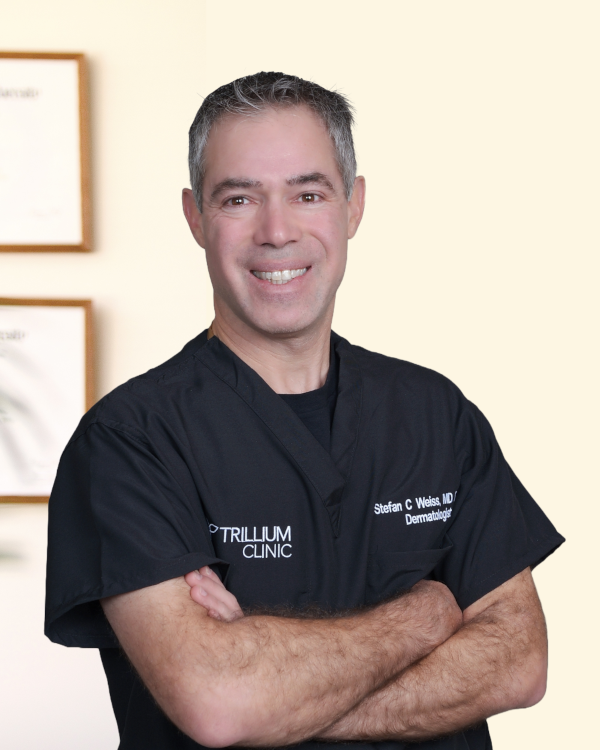
Exosomes in dermatology are an exciting area of regenerative science with growing interest in cosmetic dermatology, especially as an add-on to treatments like microneedling and laser resurfacing. Still, the category is evolving, and smart decision-making starts with medical guidance, product transparency, and a personalized plan. If you’d like to explore whether exosomes fit into your skin rejuvenation strategy, visit Dr. Stefan Weiss and the team at the Center for Cosmetic Excellence at Trillium Dermatology. Dr. Weiss will review options tailored to your goals and skin type.
Schedule a consultation to explore whether this approach fits into your long-term skin rejuvenation strategy.