Last updated: October 28, 2026
2026 has brought real changes to dermatology, from the first new sunscreen ingredient in the US in more than 20 years to a daily pill for psoriasis. On the cosmetic side, patients are choosing treatments that look natural and improve skin quality rather than change their features.
Here are the trends shaping skin care and treatment this year, what they mean for you, and how they fit with the care available at Trillium.
1. A new sunscreen ingredient arrives in the US
In June 2026 the FDA added bemotrizinol to the list of approved sunscreen ingredients. It’s the first new active sunscreen ingredient permitted in the US since 1999.
- It protects against both UVA and UVB light.
- It’s absorbed through the skin at low levels and stays stable in sunlight.
- The FDA considers it safe and effective for adults and children 6 months and older, at up to 6% of a formula.
- It has been used in Europe, Australia and Asia for many years.
What it means for you: more choice in broad-spectrum sunscreens that are pleasant to wear. Mineral sunscreens with zinc oxide or titanium dioxide remain good options too. The best sunscreen is the one you’ll use every day.
2. A daily pill for psoriasis that targets IL-23
In March 2026 the FDA approved Icotyde (icotrokinra) for moderate to severe plaque psoriasis in adults and teens 12 and older. It’s the first pill that blocks the IL-23 pathway, the same pathway many injectable biologics target.
In the head-to-head studies, about 70% of patients had clear or almost clear skin at week 16. It was also studied in hard-to-treat areas such as the scalp and genitals.
What it means for you: if creams haven’t controlled your psoriasis, there are now more options, including a once-daily pill. Learn more about psoriasis treatment at Trillium.
3. AI is joining skin cancer checks
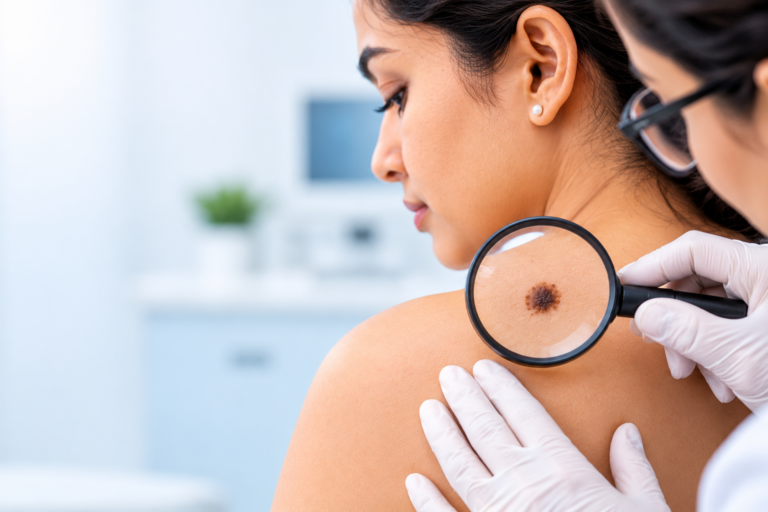
AI tools are starting to help clinicians decide which spots need a closer look. The FDA has cleared an AI-powered handheld device, DermaSensor, that helps primary care doctors decide whether a lesion should be referred to a dermatologist.
The FDA was clear that the device should not be used on its own to diagnose skin cancer. AI can support a check, but it doesn’t replace an exam by a dermatologist or a biopsy when one is needed.
What it means for you: keep up with regular skin checks, and see a dermatologist about any spot that is new, changing or bleeding. Book a total body skin exam, read our guide to skin cancer screening, or see our moles and Mohs surgery pages.
4. Injectables lead, with a focus on natural results
According to the American Society of Plastic Surgeons (ASPS) 2025 statistics report, neuromodulators such as Botox made up 50% of all minimally invasive procedures and hyaluronic acid fillers another 30%. ASPS also reported that patients want to look and feel more like themselves.
What it means for you: smaller, well-placed treatments rather than dramatic change. See our Botox, Dysport and Xeomin and cosmetic fillers pages.
5. Restoring volume and building collagen
Facial fat grafting rose 39% in the ASPS report, the biggest increase of any tracked procedure. It reflects a wider move toward restoring lost volume. In dermatology, collagen stimulators such as Sculptra and Radiesse, and skin boosters such as SkinVive, work toward the same goal without surgery.
6. Skin changes after GLP-1 weight loss
82% of ASPS surgeons reported consultations related to GLP-1 weight loss medications. After major weight loss, many people notice volume loss and looser skin in the face.
What it means for you: fillers, collagen stimulators and skin tightening can help. If you’re on a GLP-1 medication through our medical weight loss program, ask about these at your follow-up.
7. Lasers remain a top choice
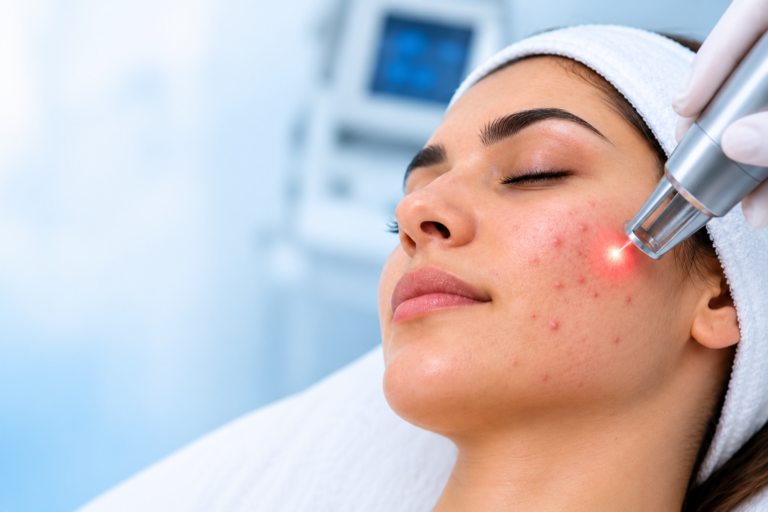
Laser skin treatments stayed among the most performed minimally invasive procedures in the ASPS report. Different lasers suit different concerns: vascular lasers for redness and visible veins, and fractional CO2 lasers for wrinkles, texture and scars.
At Trillium we use the Cutera Excel V+ for redness and veins and fractional CO2 for resurfacing. See our laser treatments page.
8. Older adults are the fastest-growing group
Patients 66 and older had a 24% rise in cosmetic procedures in the ASPS report, the largest of any age group. Adults 36 to 55 still make up nearly half of all patients.
What it means for you: there’s no upper age limit for good skin care. A dermatologist can match treatments to mature skin and any medical conditions.
Curious whether any of these new options are right for you? Book an appointment at Trillium in Chapel Hill, Smithfield or Burlington. Call 919-710-8100 or schedule online.
Frequently asked questions
A new sunscreen ingredient (bemotrizinol), a daily pill for psoriasis (Icotyde), AI tools that support skin cancer checks, and cosmetic treatments focused on natural results and skin quality.
A broad-spectrum sunscreen ingredient that protects against UVA and UVB light. In June 2026 it became the first new active sunscreen ingredient permitted in the US since 1999. It has low absorption through the skin and is approved for adults and children 6 months and older.
Yes. Icotyde (icotrokinra) was approved in March 2026 for moderate to severe plaque psoriasis in adults and teens 12 and older. It's taken once a day and blocks the IL-23 pathway. A dermatologist can tell you whether it suits you.
Not on its own. The FDA has cleared an AI device that helps primary care doctors decide whether to refer a spot, but said it should not be the only basis for a diagnosis. A dermatologist's exam, and a biopsy when needed, are still how skin cancer is diagnosed.
Neuromodulators such as Botox. They made up 50% of all minimally invasive procedures in the ASPS 2025 report, followed by hyaluronic acid fillers at 30%.
Major weight loss can lead to volume loss and looser skin in the face. Fillers, collagen stimulators and skin tightening are options a dermatologist can discuss with you.
About Dr. Weiss
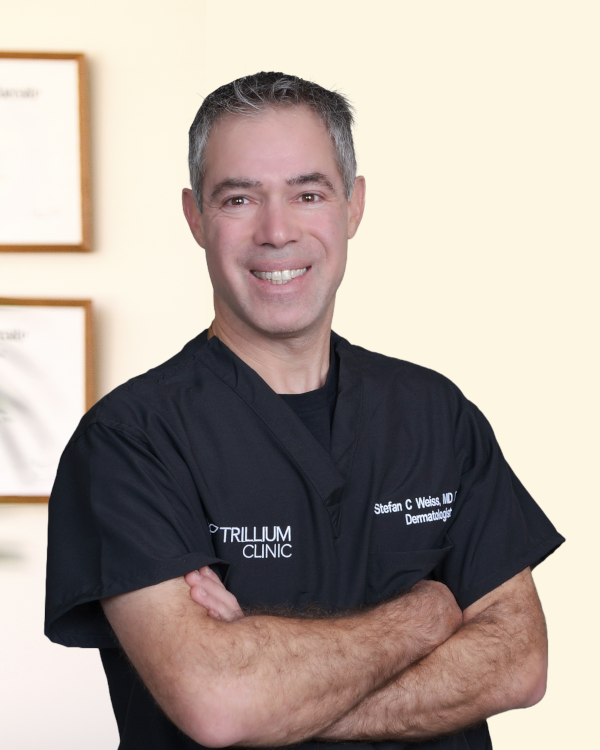
Stefan C. Weiss, MD, FAAD, is a board-certified dermatologist, the medical director of Trillium Clinic and an adjunct professor of dermatology at Brown University. He trained at Duke University School of Medicine and Stanford University Medical Center, has authored more than 100 peer-reviewed abstracts, posters and manuscripts, and has over two decades of experience in medical and cosmetic dermatology.
References
- Healio. FDA finalizes action on bemotrizinol, first new active sunscreen ingredient in 20 years. June 9, 2026.
- AJMC. FDA approves icotrokinra, first oral IL-23 inhibitor for plaque psoriasis. March 18, 2026.
- MDedge Dermatology. FDA clears AI-powered device for noninvasive skin cancer testing. January 17, 2024.
- American Med Spa Association. ASPS 2025 Statistics Report Highlights Continued Demand for Aesthetic Treatments, Volume Restoration and Healthy Aging. September 3, 2026.
This article is for general education and isn’t a substitute for personal medical advice. A board-certified dermatologist can tell you which treatment is right for you.