Atopic Dermatitis Breakthrough Innovations, Expert Insights, and Personalized Solutions for Healthier Skin
Atopic dermatitis (AD), commonly known as eczema, remains one of the most prevalent chronic skin conditions in the United States. In 2026, millions of children and adults continue to struggle with the daily challenges of itching, redness, and discomfort. The burdens of atopic dermatitis symptoms extend beyond physical symptoms; patients often face sleep disturbances, anxiety, and a significant impact on quality of life.
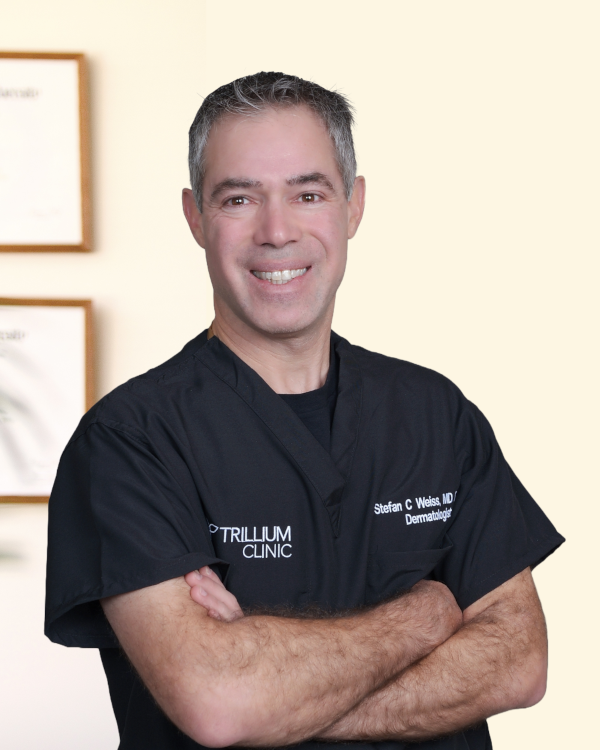
As science advances, so too does the hope for better and more effective treatments for atopic dermatitis. This year brings a wave of innovation, and leading dermatologists such as Dr. Stefan Weiss at Trillium Dermatology are at the forefront of delivering the latest breakthroughs to those who need them most.
Understanding Atopic Dermatitis: Symptoms, Challenges, and Patient Stories
Atopic dermatitis is more than just a “rash.” Its hallmark symptoms, persistent itching, inflamed and dry patches, and recurrent flare-ups, are classic atopic dermatitis symptoms that can be physically and emotionally exhausting. The condition often begins in childhood but can continue or even start in adulthood. Triggers like stress, allergens, and changes in weather can worsen symptoms, making long-term eczema treatment and disease management essential for many patients.
Patients frequently share stories of frustration with old therapies that only partially managed their symptoms. For some, the visible signs of AD lead to embarrassment and social withdrawal. In more severe cases, patients may require extreme eczema treatment strategies to regain control over their skin and daily life.
The growing need for advanced atopic dermatitis treatment options that address both physical discomfort and emotional well-being has never been greater.
Breakthrough Treatments in 2026: Latest FDA Approvals, Biologics, Small Molecules, and Topicals
The year 2026 marks a new era in atopic dermatitis treatment. Recent FDA approvals have expanded the range of options available to patients, offering hope to those who previously found little relief from conventional eczema treatment for atopic dermatitis.
One of the most exciting developments is the introduction of next-generation biologics – targeted therapies designed to address the underlying immune responses that drive inflammation in AD. These advanced atopic dermatitis medications, typically administered by board-certified dermatologists via injection or infusion, work by selectively inhibiting specific immune signals, resulting in longer-lasting symptom control and fewer flare-ups.
At the same time, topical therapies continue to evolve. New steroid-sparing creams and ointments now offer effective barrier repair and anti-inflammatory benefits without many of the side effects associated with traditional corticosteroids. For patients seeking long-term eczema treatment, these innovations represent a meaningful step forward in safety, tolerability, and disease control.
Looking Ahead: Future Research, Emerging Technologies, and What Patients Can Expect
The future of atopic dermatitis care is bright. Researchers are actively exploring novel oral atopic dermatitis medications that target different aspects of the immune system, as well as topical agents that harness the power of the skin’s natural microbiome to reduce inflammation. Artificial intelligence and digital health tools are being piloted to help track atopic dermatitis symptoms, predict flare-ups, and personalize effective eczema treatment recommendations in real time.
Frequently Asked Questions (FAQs)
Atopic dermatitis symptoms typically include persistent itching, dry or scaly patches, redness, and recurring flare-ups. In children, symptoms often appear on the face and flexural areas, while adults may experience involvement of the hands, neck, and eyelids. Severity can vary over time.
In 2026, atopic dermatitis treatment has expanded beyond traditional topical steroids to include targeted biologics, small-molecule therapies, and steroid-sparing topicals. These newer options aim to control inflammation more precisely while reducing long-term side effects.
Atopic dermatitis medication may be recommended when symptoms are moderate to severe, interfere with sleep or daily activities, or do not respond adequately to moisturizers and topical therapies. A dermatologist can help determine when escalation of treatment is appropriate.
Yes. Mild eczema often responds well to moisturizers, trigger avoidance, and topical therapies. More severe cases may require advanced options, including biologics or systemic therapies, sometimes referred to as extreme eczema treatment. Treatment plans are tailored based on severity, age, and overall health.
There is currently no cure, but treatment for atopic dermatitis can effectively control symptoms and reduce flare-ups. With the newer therapies available in 2026, many patients experience longer periods of clear skin and improved quality of life through consistent, personalized management.
Conclusion
Navigating atopic dermatitis can be challenging, but with the right partner, patients can look forward to real solutions and lasting relief. Dr. Stefan Weiss and the team at Trillium Dermatology combine evidence-based expertise, modern therapeutic options, and a personalized care approach that reflects the evolving landscape of atopic dermatitis treatment. Patients benefit from access to FDA-approved therapies, thoughtful follow-up, and collaborative decision-making tailored to their individual needs.
If you or a loved one is seeking treatment for atopic dermatitis in 2026, a consultation with a board-certified dermatologist can help clarify options and expectations. Discover what’s possible when innovation, experience, and patient-centered care come together – your journey to healthier, happier skin starts here.