Why microneedling? Acne can be more than a temporary skin concern – its aftermath, in the form of acne scarring, can linger for years and affect one’s confidence and self-image. Over the past decade, microneedling treatment has emerged as a powerful, minimally invasive solution for treating acne scars. But what exactly is microneedling, and how can it help those seeking to smooth their skin’s texture? Let’s explore the science, effectiveness, and considerations of this innovative treatment.
What is Microneedling?
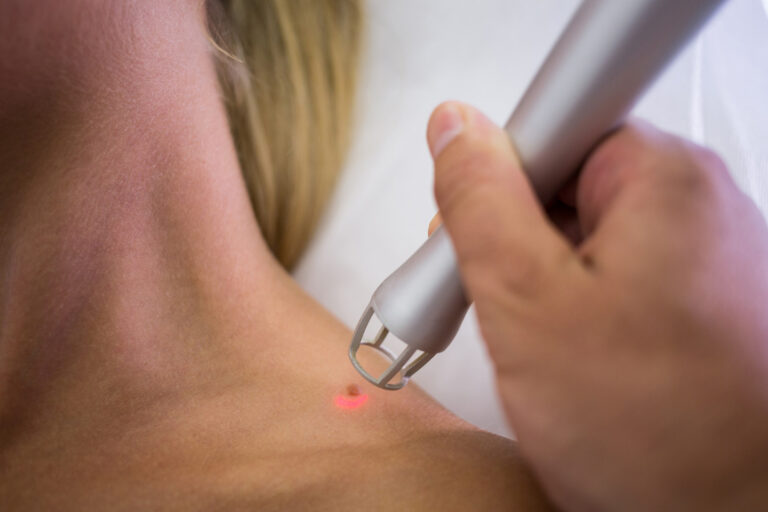
Microneedling, also known as collagen induction therapy, is a dermatological procedure that involves using fine needles to create thousands of tiny, controlled punctures – often called “micro-injuries” – on the skin’s surface. These micro-injuries stimulate the body’s natural healing process, encouraging the production of collagen and elastin. Both of these proteins are essential for maintaining firm, youthful, and even-toned skin. As a skin care treatment, microneedling is valued for its ability to rejuvenate the skin without harsh chemicals or downtime.
How Does Microneedling Help Acne Scarring?
Acne scarring, especially the indented or “atrophic” type (such as icepick, boxcar, and rolling scars), results from a loss of collagen during the healing process of inflamed acne lesions. Microneedling addresses this by jumpstarting new collagen production, gradually filling in pitted scars and improving their appearance. Over a series of microneedling treatments, the skin’s texture becomes smoother and scars appear less pronounced. It has become an increasingly popular form of acne treatment for patients seeking a minimally invasive option.
The Procedure: What to Expect
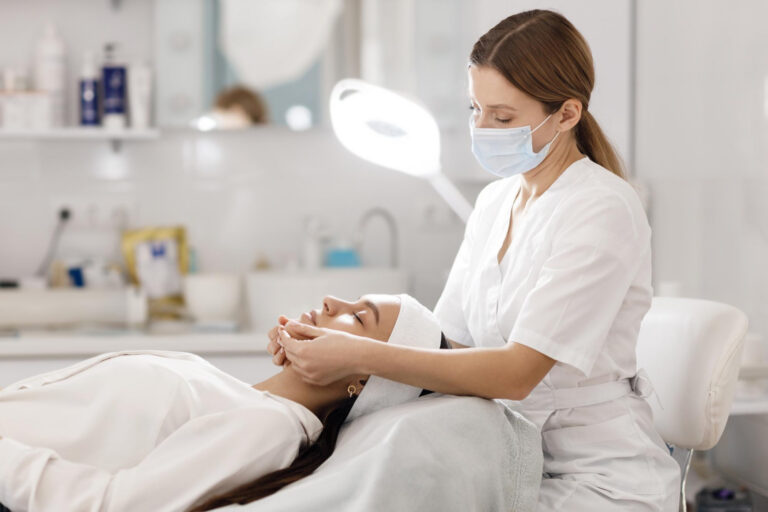
Microneedling treatment is typically performed by a dermatologist or licensed skin professional. Before the procedure, a topical numbing cream is applied to minimize discomfort. The needling device – either a manual dermaroller or an automated pen-like tool – is then gently moved across the affected areas. The entire session usually takes about 30 to 60 minutes, depending on the size of the area being treated.
Afterwards, the skin may appear red and feel sensitive, similar to a mild sunburn. This generally fades within a couple of days. Most people require a series of three to six sessions spaced about four to six weeks apart to achieve optimal results. The consistency of the microneedling treatment plays a vital role in managing long-term acne scarring.
Benefits of Microneedling for Acne Scars
- Minimally Invasive: No surgical incisions or significant downtime
- Versatile: Effective for a variety of scar types and skin tones
- Natural Results: Stimulates the body’s own repair mechanisms
- Improved Product Absorption: Post-treatment, the skin is more receptive to serums and topical treatments
These benefits make microneedling not just an effective acne treatment, but also a well-rounded skin care treatment option for individuals looking to improve overall skin quality.
Risks and Considerations
While microneedling is generally safe, especially when performed by professional dermatologists, there are potential risks including infection, hyperpigmentation, and minor irritation. People with active acne, certain skin diseases, or a history of keloid scarring should consult with their dermatologist before proceeding. Understanding the limitations and proper use of microneedling treatment is crucial for safe and effective outcomes.
Conclusion
Microneedling offers new hope to those struggling with acne scars, helping to restore not just the appearance of the skin, but also confidence. As with any cosmetic procedure or skin care treatment, a personalized consultation with a qualified professional is essential to determine if it’s the right solution for you. With patience and proper care, microneedling treatment could be your pathway to smoother, clearer skin.