Achieve Brighter, Even-Toned Skin with Proven Strategies and Personalized Care in Chapel Hill and Smithfield
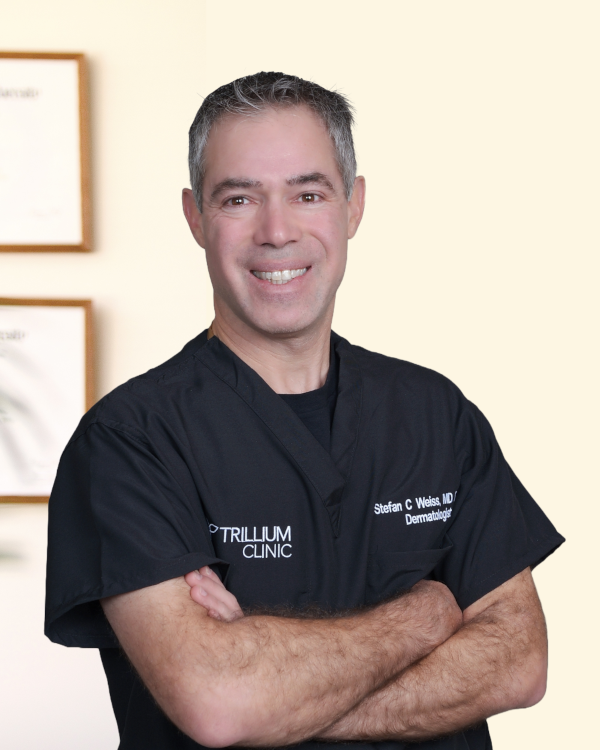
Melasma is a common and often stubborn skin condition that causes dark, discolored patches, most frequently on the face. While not medically dangerous, melasma can cause distress, diminish self-confidence, and pose a persistent cosmetic challenge. The good news? With the right knowledge, tools, and expert guidance, melasma can be effectively managed. Dr. Stefan Weiss and the dedicated team at Trillium Clinic Dermatology and Med Spa in Chapel Hill and Smithfield offer comprehensive, patient-centered melasma treatment solutions that help you reclaim your most radiant complexion.
In this in-depth guide, we explore the causes and triggers of melasma, debunk myths, discuss evidence-based best melasma treatment, and highlight how the personalized approach at Trillium Clinic Dermatology and Med Spa can support your journey toward clear, glowing skin.
What is Melasma?
Melasma is a pigmentary disorder, characterized by symmetrical patches of brown or gray-brown discoloration, typically appearing on sun-exposed areas of the face such as the cheeks, forehead, upper lip, and chin. While melasma does not pose a health risk, its visibility can affect emotional well-being and quality of life.
Melasma is more common in women, especially those with darker skin types, and often emerges during periods of hormonal fluctuation such as pregnancy, use of oral contraceptives, or hormone replacement therapy. Commonly referred to as the “mask of pregnancy,” melasma can affect anyone and may persist for years without proper management.
What Causes Melasma?
Melasma causes include an interplay of genetic, hormonal, and environmental factors. Understanding these root causes is crucial for developing an effective melasma skin treatment plan.
- Sun Exposure: Ultraviolet (UV) radiation from the sun is the leading external factor, stimulating melanocytes (the cells responsible for pigment production) to overproduce melanin.
- Hormonal Changes: Pregnancy, birth control pills, and hormone therapies can trigger melasma via surges in estrogen and progesterone.
- Genetics: A family history of melasma increases susceptibility.
- Skin Irritation: Harsh skincare products or treatments can worsen pigmentation by causing inflammation or directly stimulating melanocytes.
- Heat and Visible Light: Not just sunlight, but also heat and visible light from sources like computer screens and incandescent bulbs can contribute to melasma in sensitive individuals.
Common Myths About Melasma
Before diving into treatment options, let’s dispel a few prevalent myths:
- Myth: Melasma will fade away on its own.
- Fact: While some cases improve after hormones stabilize (such as post-pregnancy), many require targeted intervention and ongoing maintenance with the best melasma treatment.
- Myth: Melasma is only a cosmetic concern.
- Fact: The psychological impact of melasma is significant, affecting self-esteem and mental health. Addressing it with the effective melasma treatment is as much about well-being as it is about appearance.
- Myth: All dark spots are melasma.
- Fact: Melasma must be differentiated from other pigment disorders like post-inflammatory hyperpigmentation or sun spots. Accurate diagnosis by a board-certified dermatologist, such as Dr. Stefan Weiss, is essential for proper treatment, successful melasma cure and management.
Comprehensive Melasma Management: Key Strategies
Managing melasma is a nuanced process that combines diligent skincare, professional treatments, and lifestyle modifications. The approach at Trillium Clinic Dermatology and Med Spa is centered on customizing care to each patient’s unique needs and skin type.
1. Sun Protection: The Foundation of Melasma Management
Sun exposure is the greatest trigger and perpetuator of melasma. Consistent, year-round sun protection is non-negotiable for effective melasma skin treatment.
- Daily Sunscreen: Choose a broad-spectrum sunscreen (protects against both UVA and UVB) with SPF 30 or higher. Mineral sunscreens containing zinc oxide or titanium dioxide are ideal for sensitive or melasma-prone skin as they physically block light and are less likely to cause irritation.
- Lifestyle Tips: Wear a wide-brimmed hat, seek shade between 10 a.m. and 4 p.m., and reapply sunscreen every two hours or after sweating or swimming.
- Blue Light Defense: Consider sunscreens that protect against visible (blue) light, especially if you spend significant time in front of screens.
2. Gentle, Targeted Skincare Routine
A gentle yet effective skincare routine is essential for melasma treatment. Harsh scrubs, aggressive acids, or irritating products can worsen pigmentation.
- Cleansers: Use a mild, non-foaming cleanser that maintains the skin’s barrier.
- Moisturizers: Opt for fragrance-free, non-comedogenic moisturizers to maintain hydration and minimize irritation.
- Active Ingredients: Incorporate products with proven melasma-fighting ingredients, such as:
- Vitamin C: An antioxidant that brightens skin and inhibits excess melanin production.
- Niacinamide: Reduces pigment transfer and strengthens the skin barrier.
- Azelaic acid: Fights inflammation and hyperpigmentation.
- Tranexamic acid: A newer topical that can reduce pigment by inhibiting certain pathways in melanin production.
- Retinoids: Promote cell turnover, fading dark patches over time (should be used under professional guidance).
3. Prescription Topicals: Professional-Strength Results
For moderate to severe melasma, prescription-best melasma treatments may be necessary. Dr. Stefan Weiss at Trillium Clinic Dermatology and Med Spa often recommends:
- Hydroquinone: Considered the gold standard, hydroquinone works by inhibiting melanin production. It is often used in cycles (for example, three months on, three months off) to prevent resistance or side effects.
- Triple Combination Creams: These combine hydroquinone with a retinoid and a mild steroid to enhance effectiveness and reduce irritation.
- Other prescription agents: Such as kojic acid, cysteamine, and higher concentrations of azelaic acid.
4. In-Office Treatments at Trillium Clinic Dermatology and Med Spa
For patients seeking faster or more dramatic results, professional melasma skin treatments performed by experienced providers are invaluable. At Trillium Clinic Dermatology and Med Spa, each procedure is tailored to your skin’s needs and sensitivity.
- Chemical Peels: Superficial to medium-depth peels using glycolic acid, lactic acid, or trichloroacetic acid can exfoliate pigmented skin. Peels must be customized to minimize the risk of post-inflammatory hyperpigmentation, especially in deeper skin tones.
- Microneedling: This popular treatment, safely performed at Trillium Clinic, uses tiny needles to stimulate collagen and enhance absorption of brightening serums for deeper melasma cure. Many patients in Chapel Hill, Smithfield, and beyond have seen remarkable fading of melasma patches following microneedling under the care of Dr. Weiss and his team.
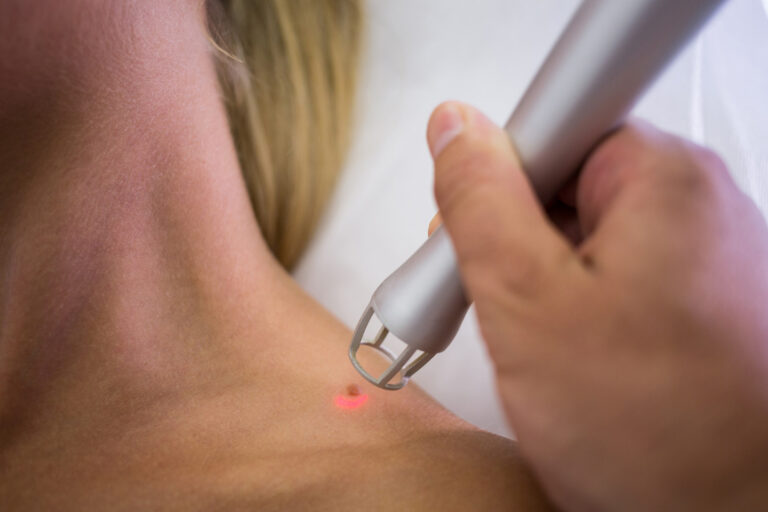
- Laser Therapy: Certain lasers, such as low-energy Q-switched lasers and fractional lasers, can help when used judiciously. Not all lasers are safe for melasma; improper use can worsen pigmentation. So, it is crucial to trust an experienced dermatologist like Dr. Weiss.
- Light-Based Therapies: Newer devices, such as intense pulsed light (IPL), may be considered for select patients, though results can vary and expertise is essential.
5. Lifestyle and Maintenance: Sustaining Your Results
Melasma is often a chronic condition; ongoing care is essential. Patients at Trillium Clinic Dermatology and Med Spa benefit from personalized melasma treatment and maintenance plans that blend at-home and in-office strategies.
- Consistent Sun Protection: Sun exposure, even minimal, can reactivate melasma. Make sunscreen and protective clothing a daily habit, regardless of weather or season.
- Gentle Skincare: Avoid harsh exfoliants, waxing, or any products that cause redness or stinging.
- Hormonal Management: If melasma is linked to birth control or hormone therapy, consult with your healthcare provider about alternatives.
- Regular Dermatology Visits: Ongoing check-ins with Dr. Weiss and the Trillium team allow for adjustments to your regimen and early intervention if pigment returns.
Why Choose Dr. Stefan Weiss and Trillium Clinic Dermatology and Med Spa?
Your skin is as unique as your fingerprint. Success in managing melasma hinges on an individualized approach, expert guidance, and access to the latest science-backed treatments. Patients across North Carolina, from Chapel Hill to Smithfield, trust Dr. Stefan Weiss for his blend of medical expertise, compassionate care, and commitment to natural, beautiful outcomes.
- Expert Diagnosis: Accurate identification of melasma and differentiation from other conditions ensures the right melasma treatment from the outset.
- Customized Plans: No two cases of melasma are the same. Dr. Weiss creates personalized protocols for maximum safety and effectiveness.
- Cutting-Edge Treatments: From advanced topicals to precision microneedling and laser options, Trillium Clinic offers the full spectrum of evidence-based melasma skin treatment or therapies.
- Patient Education: Understanding melasma empowers you to protect your results and maintain healthy skin for the long term.
- Supportive Atmosphere: The caring team at Trillium Clinic Dermatology and Med Spa ensures you feel heard, respected, and confident at every step.
Frequently Asked Questions About Melasma
Can melasma be cured?
Melasma is often a chronic condition, but with optimal management, it can be significantly improved and kept under control. Early, consistent intervention in melasma cure yields the best results.
How long does it take to see results?
Improvement varies but most patients notice fading within 8-16 weeks undergoing the best melasma treatment. Patience and consistency are key.
Is microneedling safe for melasma?
When performed by trained professionals like those at Trillium Clinic Dermatology and Med Spa, microneedling is safe and can enhance melasma treatment effectiveness of topical therapies, helping to break up stubborn pigment.
What should I avoid if I have melasma?
Limit sun exposure, avoid tanning beds, skip harsh skincare products, and consult your dermatologist before starting new medications or supplements.
Will melasma return if I stop treatment?
Maintenance is critical. Without ongoing sun protection and a tailored skincare plan, melasma can recur – even after successful treatment.
Take the First Step Toward Radiant, Even-Toned Skin
Managing melasma requires a partnership between you and an experienced dermatologist. At Trillium Clinic Dermatology and Med Spa, Dr. Stefan Weiss and his team are committed to guiding you on every step of your skincare journey, from initial assessment to tailored melasma treatments and supportive maintenance.
Ready to reclaim your confidence and reveal your best skin? Contact Trillium Clinic Dermatology and Med Spa in Chapel Hill or Smithfield to schedule your personalized melasma consultation with Dr. Stefan Weiss.