Expert Insights, Science, and Advice on Laser Treatments for Acne
Laser treatments for acne have emerged as a powerful solution for patients who continue to struggle with breakouts despite conventional care. Acne is more than just a cosmetic concern; it’s a condition that can impact your self-confidence, social interactions, and overall well-being. As a board-certified dermatologist, I understand how frustrating persistent breakouts can be, especially when traditional acne treatments don’t deliver the results you’re hoping for.
Fortunately, advances in laser treatment technology have revolutionized our approach to acne management, offering new hope for those struggling with stubborn blemishes. In this comprehensive guide, I’ll walk you through the science behind laser therapy for acne, explore the types of lasers we use, and share expert advice on what you can expect before, during, and after treatment. My goal is to empower you with knowledge so you can make informed decisions about your skin health.
Understanding Acne: Causes and Treatment Challenges
Acne is a multifactorial skin condition that affects millions of people of all ages. It’s driven by a combination of excess oil production, clogged pores, bacteria (particularly Cutibacterium acnes), inflammation, and sometimes hormonal fluctuations. While topical creams, oral medications, and lifestyle adjustments are often effective acne treatment options, not everyone finds relief from them.
Some patients experience persistent breakouts, scarring, or redness that doesn’t respond to conventional therapies. That’s where laser treatments for acne come to play an increasingly important role – offering targeted, effective solutions for even the most challenging cases.
How Laser Treatments Work: The Science and Mechanisms
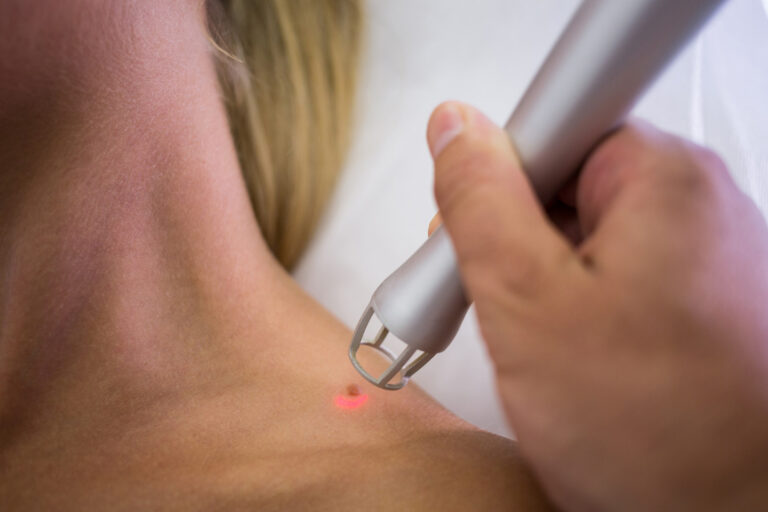
Laser therapy harnesses the power of focused light energy to target specific components of acne. When the laser is applied to the skin, it penetrates the surface to reach deeper layers where acne originates. Depending on the device and wavelength, laser treatment can destroy acne-causing bacteria, reduce inflammation, shrink oil glands, and stimulate collagen production. This multi-pronged approach not only helps clear active breakouts but also improves the appearance of acne scars and overall skin texture.
There are two broad categories of lasers used for acne: ablative and non-ablative. Ablative lasers remove the outermost layer of skin, promoting regeneration, while non-ablative lasers work beneath the surface without damaging the epidermis. The choice between these modalities depends on your skin type, the severity of your acne treatment needs, and your treatment goals.
Types of Lasers Used for Acne: Devices and Their Benefits
Dermatologists have access to a variety of laser technologies, each with unique mechanisms and laser therapy benefits:
- AviClear: Targets sebaceous glands to decrease oil production and kill bacteria
- Nd:YAG Laser: Penetrates deeply to reach sebaceous glands. Suitable for moderate to severe acne and darker skin types. Reduce redness and inflammation, making it effective for both active acne and post-inflammatory erythema.
- Fractional CO2 Laser: Delivers intense energy to resurface the skin, improving acne scars and promoting collagen growth. Best for post-acne scarring.
Your dermatologist will select the appropriate device based on your skin’s needs, ensuring a personalized approach for optimal results.
Benefits of Laser Therapy: Efficacy, Safety, and Patient Outcomes
Laser treatments for acne offer several advantages over traditional laser acne treatments:
- Targeted Action: Laser therapy focuses energy precisely where needed, minimizing damage to surrounding skin.
- Rapid Results: Many patients notice improvement after just a few sessions, including reduced breakouts and smoother skin.
- Minimal Downtime: Most laser treatments require little to no recovery time, allowing you to return to your daily activities quickly.
- Improved Scarring: Certain lasers stimulate collagen, reducing the appearance of acne scars and uneven texture.
- Long-Term Benefits: By treating acne at the source, the benefits of laser treatment can include fewer future flare-ups.
While results vary from person to person, clinical studies and patient testimonials consistently highlight the effectiveness and safety of laser therapy when performed by a qualified professional.
Who Is a Good Candidate? Patient Selection and Expectations
Laser therapy isn’t a one-size-fits-all solution, and not everyone is an ideal candidate. The best results are seen in individuals with:
- Persistent acne that hasn’t responded to topical or oral medications
- Acne scarring or post-inflammatory redness
- Healthy skin without active infections or open wounds
- Realistic expectations about outcomes and potential risks
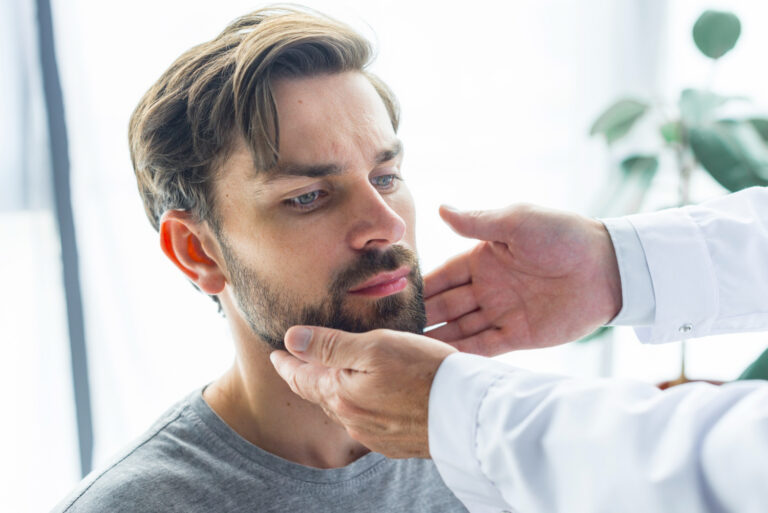
During your consultation, your dermatologist will assess your skin type, medical history, and treatment goals. We will also discuss any medications you’re taking and evaluate for conditions that might affect laser safety, such as photosensitivity or certain skin disorders, to determine whether laser treatments for acne are the best and safest option. Setting clear expectations is key. While lasers can significantly improve acne and scarring, multiple sessions may be needed, and results will vary based on individual skin characteristics.
The Treatment Experience: What to Expect During and After
Your laser treatment journey begins with a thorough consultation and skin assessment. On the day of your procedure, we’ll cleanse your skin and may apply a topical numbing cream for comfort. The laser device is then guided over the treatment area, delivering pulses of light that target acne lesions, bacteria, and scar tissue. Most sessions last between 15 and 45 minutes, depending on the size of the area and the type of laser therapy used.
You may feel a mild tingling or warmth during the procedure, but discomfort is generally minimal. Afterward, your skin may appear slightly red or swollen, similar to a mild sunburn, but these effects typically subside within a few hours to days. We’ll provide you with detailed aftercare instructions to ensure a smooth recovery and maximize your results.
Safety and Side Effects: Risks, Precautions, and Management
Laser treatments for acne are considered safe when performed by trained dermatologists using FDA-approved devices. However, as with any medical procedure, there are potential risks and side effects to be aware of:
- Temporary redness, swelling, or discomfort
- Changes in skin pigmentation, especially in darker skin types
- Rarely, blistering or scarring
- Infection, though uncommon when using proper technique
To minimize these risks, it’s critical to choose a board-certified dermatologist who can tailor the procedure to your unique skin and monitor your progress closely. We’ll review your medical history, discuss any concerns, and take steps to reduce complications, such as adjusting laser therapy settings for your skin type and providing pre- and post-treatment care.
Aftercare and Maintenance: Tips for Optimal Results
Proper aftercare is essential for ensuring the best outcomes from your laser acne treatment. Here are some dermatologist-recommended tips:
- Follow Instructions: Adhere to all aftercare guidelines provided by your dermatologist, including cleansing routines and topical products.
- Protect Your Skin: Use a broad-spectrum sunscreen daily to prevent UV damage and pigmentation changes.
- Avoid Irritants: Steer clear of harsh exfoliants, retinoids, and fragranced products until your skin has fully healed.
- Stay Hydrated: Drink plenty of water and use gentle moisturizers to support skin recovery.
- Monitor Your Skin: Report any unusual symptoms, such as persistent redness or discomfort, to your dermatologist promptly.
With proper care, most patients experience smoother, clearer skin and a noticeable reduction in acne and scarring. Maintenance treatments may be recommended based on your skin’s ongoing needs and to extend the benefits of laser therapy.
Frequently Asked Questions: Addressing Common Concerns
Most patients describe the sensation as mild tingling or warmth. Numbing cream can be used to enhance comfort.
The number of treatments varies, but most patients see significant improvement after 3–6 sessions spaced several weeks apart.
Laser therapy is effective for inflammatory acne, scarring, and redness, but may be less suitable for severe cystic acne or active infections.
With proper aftercare and maintenance, results can be long-lasting, but new breakouts may still occur. Maintenance treatments help preserve your progress and the ongoing laser therapy benefits.
Yes, but device selection and settings must be carefully tailored. Discuss your skin type with your dermatologist during consultation.
Conclusion
Laser treatments for acne have transformed the landscape of acne care, offering safe, effective, and customizable solutions for patients who have struggled with traditional therapies. By understanding the science behind these procedures and working closely with a board-certified dermatologist, you can achieve clearer, healthier skin and renewed confidence.
If you’re considering laser treatment for acne, I encourage you to discuss your options and develop a personalized treatment plan. Your journey to radiant skin starts with expert guidance and the latest in dermatological technology – let us help you take the next step toward lasting results.
For more information or to schedule a consultation, call us today. Your path to radiant skin starts here.