Examining the Latest Research on Isotretinoin, Sexual Health, and Safer Alternatives
Acne can be more than just a skin concern – it can affect confidence, mood, and overall quality of life. For those with severe or stubborn acne, isotretinoin treatment (commonly known by the brand name Acutane) has been a transformative acne treatment for decades. But with its powerful effects come important questions about safety, particularly in relation to isotretinoin sexual dysfunction. Fortunately, there are a range of effective and often safer acne treatment options available for those who may not be suitable candidates for isotretinoin or who prefer to avoid its potential acne treatment side effects.
Isotretinoin: A Powerful Ally Against Severe Acne
Isotretinoin is a derivative of vitamin A and is typically prescribed for moderate to severe acne that hasn’t responded to other treatments. While it’s highly effective in clearing the skin, its use is accompanied by a long list of potential acne treatment side effects, from dry lips to the need for strict birth control due to risk of birth defects.
Given the medication’s potency, some patients and clinicians have wondered whether isotretinoin treatment could be linked to sexual dysfunction (SD) – a concern that can add to the distress of those already struggling with acne.
Other Effective and Safer Acne Treatment Options
Before considering isotretinoin treatment, patients and their healthcare providers often explore several other acne treatment which can be highly effective and are generally associated with fewer or more manageable side effects:
- Topical Retinoids: These vitamin A derivatives (such as adapalene, tretinoin, or tazarotene) help clear pores and reduce inflammation. They are widely used as first-line therapy for mild to moderate acne.
- Benzoyl Peroxide: Available over the counter or by prescription, benzoyl peroxide is effective at killing acne-causing bacteria and reducing clogged pores. It’s often combined with topical or oral antibiotics for enhanced effect.
- Topical and Oral Antibiotics: Medications like clindamycin (topical) or doxycycline/minocycline (oral) can reduce bacterial overgrowth and inflammation. Due to antibiotic resistance, they are typically used for limited durations and in combination with other agents.
- Hormonal Therapies: For individuals whose acne is hormonally driven (such as many women), oral contraceptives can be both effective and safer acne treatment long-term option.
- Azelaic Acid: This naturally occurring acid can reduce inflammation and bacterial growth, and is particularly useful for patients with sensitive skin or those seeking non-hormonal therapies.
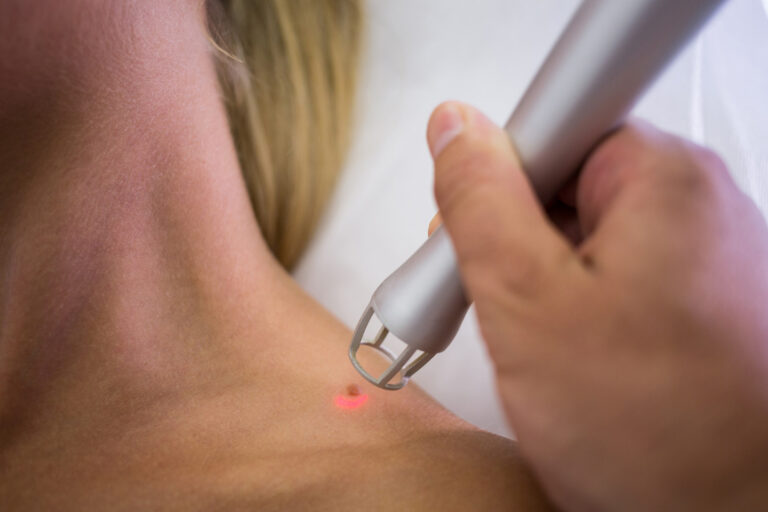
- Light and Laser Therapies: For patients seeking non-drug solutions, various light and laser treatments may be effective, though access and cost may limit their use.
- Proper Skin Care: Gentle cleansing, non-comedogenic moisturizers, and sun protection can help protect the skin barrier and reduce irritation, complementing other therapies.
Investigating the Link: What Does the Research Show?
A recent report in the Journal of the American Academy of Dermatology (JAAD) set out to answer this very question: Is there an association between isotretinoin and sexual dysfunction in patients with acne?
- Patients prescribed isotretinoin for acne
- Patients prescribed topical retinoids
Their goal was to see if those taking the oral medication experienced more sexual difficulties than those using topicals, which are not absorbed systemically.
Key Findings from the JAAD Report
Of the patients treated with isotretinoin, 1.3% received a diagnosis of isotretinoin sexual dysfunction. The most common issues reported were:
- Dyspareunia (painful intercourse): 47% of those with SD
- Erectile dysfunction: 27% of those with SD
When comparing patients with and without a sexual dysfunction diagnosis, those with SD tended to be older, more frequently male (26% versus 21%), and more likely to identify as white (64% versus 58%). The median time to SD diagnosis was 323 days after starting isotretinoin treatment.
Key Takeaways for Patients and Providers
- Isotretinoin remains a gold-standard treatment for severe acne, but should be reserved for those rare cases.
- There are several alternative treatments, including topical retinoids, antibiotics, hormonal therapies, and others, that can be equally effective and are much safer for patients.
- Isotretinoin sexual dysfunction diagnoses among users are rare (1.3%) but can occur.
- Common presentations include dyspareunia and erectile dysfunction, often in older and male patients.
- Ongoing communication with healthcare professionals is essential for monitoring acne treatment side effects and maintaining overall wellbeing.
Conclusion
Concerns about isotretinoin sexual dysfunction on isotretinoin are valid and should be discussed. Fortunately, a range of alternative safer acne treatments is available, allowing patients and doctors to tailor acne treatment or management to individual needs, preferences, and risk profiles. For most, the benefits of clearer skin – whether through isotretinoin treatment or the much safer alternatives, can be achieved with careful monitoring and collaboration. So, make sure you schedule an appointment with board-certified dermatologists to receive professional care.