Last updated: October 28, 2026
Healthy skin doesn’t need a 10-step routine or expensive products. The American Academy of Dermatology (AAD) recommends a simple approach built around three steps: cleanse, moisturize and protect.
Here are 12 dermatologist-backed skin care tips, from the right order to apply products to the newest sunscreen option in the US.
1. Keep your routine simple
The AAD’s three-step approach is cleanse, moisturize and protect your skin. Products don’t need to be expensive to work. Using lots of different products can be costly, can irritate your skin, and can even make signs of aging more noticeable.
2. Apply products in the right order
The order you apply products affects how well they work. Dermatologists recommend:
- Wash your face with a gentle cleanser and pat dry.
- Apply any medicine or treatment your dermatologist prescribed.
- Apply moisturizer and sunscreen.
- Apply makeup, if you wear it.
Use your ring finger for creams around the eyes. It’s your weakest finger, so it won’t pull on the delicate skin. For step-by-step routines, see our guide to the morning vs night skincare routine.
3. Wash your face gently
- Use a gentle, non-abrasive cleanser without alcohol.
- Wet your face with lukewarm water and apply cleanser with your fingertips. Washcloths and sponges can irritate the skin.
- Don’t scrub. Rinse with lukewarm water and pat dry with a soft towel.
- Wash twice a day, morning and night, and after sweating heavily.
4. Wear sunscreen every day
Daily sun protection is the first tip on the AAD’s list for preventing early skin aging, and it also helps prevent skin cancer. Seek shade, wear sun-protective clothing, and use sunscreen that is:
- Broad-spectrum (protects against UVA and UVB rays)
- SPF 30 or higher
- Water resistant
Use at least 1 teaspoon for your face and about 1 ounce, a shot glass full, for exposed skin on your body. Apply it 15 minutes before going outside and reapply about every two hours, or after swimming or sweating. No sunscreen is waterproof.
A new sunscreen option: in June 2026 the FDA approved bemotrizinol, the first new sunscreen ingredient in the US since 1999. It protects against UVA and UVB and is absorbed through the skin at low levels. Read more in our dermatology trends for 2026 and our guide to choosing the right sunscreen.
5. Moisturize every day
The AAD recommends a facial moisturizer every day. Moisturizer traps water in the skin, giving it a more youthful look. It’s especially helpful if your skin feels dry or itchy after washing.
6. Stop products that sting or burn
If a product stings or burns, your skin is irritated, and irritated skin can look older, according to the AAD. Stop using it. Some prescription anti-aging products can cause mild irritation at first, so check with your dermatologist before stopping those.
7. Consider a retinoid for aging skin
Retinoids are vitamin A-based ingredients. The first, tretinoin, was approved for acne in 1971, and dermatologists soon noticed it also helps aging skin: it speeds up skin cell turnover, boosts collagen, improves tone and reduces fine lines. Over-the-counter retinol is a milder form. A few cautions from the AAD:
- Start slowly and use a moisturizer to reduce irritation.
- If you have darker skin, watch for irritation, which can trigger dark marks.
- Don’t use retinoids during pregnancy.
Ask a dermatologist whether an over-the-counter retinol or a prescription retinoid suits you.
8. Healthy habits show on your skin
The AAD lists everyday habits that help prevent early skin aging:
- If you smoke, stop.
- Drink less alcohol.
- Exercise most days of the week.
- Eat a healthy, well-balanced diet.
9. Skip the tan
Every tan, whether from the sun or a tanning bed, ages your skin early, according to the AAD. If you like a bronzed look, use a self-tanner instead.
10. Treat acne early and don’t pick
Picking, popping or squeezing breakouts makes acne scars more likely, according to the AAD, as does deep, painful acne. If over-the-counter products aren’t working, see a dermatologist. See our acne treatment page.
11. Adjust your routine for the season
Cold, dry winters and hot, humid summers affect your skin differently, so your routine may need small changes through the year. See our guides to winter skin care and summer skin care.
12. Check your skin and see a dermatologist
Look over your skin regularly and see a dermatologist about any spot that is new, changing or bleeding. A total body skin exam is a simple way to check your skin from head to toe.
When to add a professional treatment
A good routine is the foundation. If you want more help with dull skin, uneven tone, acne marks or fine lines, a dermatologist may suggest a treatment such as a chemical peel or microneedling. For a deeper look at hydrated, glowing skin, see our guide to how to get glass skin.
Want a routine made for your skin? Book an appointment at Trillium in Chapel Hill, Smithfield or Burlington. Call 919-710-8100 or schedule online.
Frequently asked questions
A simple one. The American Academy of Dermatology recommends three steps: cleanse with a gentle cleanser, moisturize, and protect your skin with sunscreen. Add a treatment, such as a retinoid or a prescription, only if you need it.
Wash your face, apply any medicine or treatment, then moisturizer and sunscreen, then makeup if you wear it.
Twice a day, morning and night, and after sweating heavily. Use lukewarm water, a gentle cleanser and your fingertips, and pat dry.
A broad-spectrum sunscreen with SPF 30 or higher that's water resistant. Use at least 1 teaspoon on your face and reapply about every two hours when you're outdoors.
Retinoids can improve skin tone and fine lines. Start slowly with a moisturizer to limit irritation, and don't use them during pregnancy. A dermatologist can recommend an over-the-counter or prescription option.
Protect your skin from the sun, moisturize daily, avoid products that sting, and keep healthy habits like not smoking and exercising. For extra help, ask a dermatologist about treatments like chemical peels or microneedling.
About Dr. Weiss
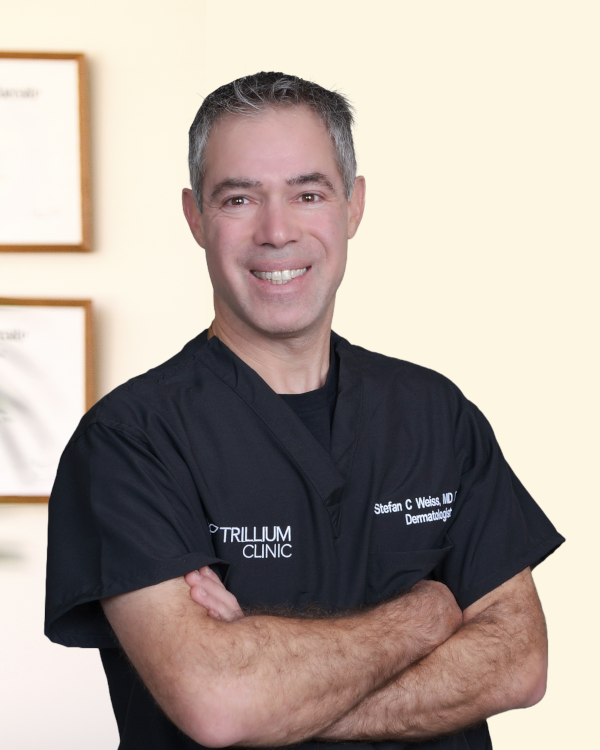
Stefan C. Weiss, MD, FAAD, is a board-certified dermatologist, the medical director of Trillium Clinic and an adjunct professor of dermatology at Brown University. He trained at Duke University School of Medicine and Stanford University Medical Center, has authored more than 100 peer-reviewed abstracts, posters and manuscripts, and has over two decades of experience in medical and cosmetic dermatology.
References
- American Academy of Dermatology. Skin care on a budget.
- American Academy of Dermatology. Apply skin care products in the right order.
- American Academy of Dermatology. Face washing 101.
- American Academy of Dermatology. Sunscreen FAQs.
- American Academy of Dermatology. 11 ways to reduce premature skin aging.
- American Academy of Dermatology. Retinoid or retinol?
- American Academy of Dermatology. Acne scars: Overview.
- Healio. FDA finalizes action on bemotrizinol, first new active sunscreen ingredient in 20 years. June 9, 2026.
This article is for general education and isn’t a substitute for personal medical advice. A board-certified dermatologist can tell you which treatment is right for you.